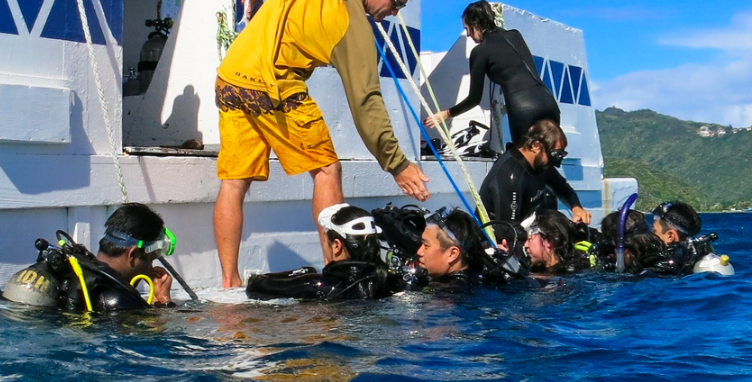
Why Wailea-Makena Is a Standout Scuba Destination
The underwater terrain off Wailea-Makena reads like a short course in Pacific geology and tropical ecology. Where the shoreline is young lava rock and scrub, the reef immediately drops away into clear basins and sculpted pinnacles—features that make each dive distinct. Molokini Crater, a partially submerged volcanic caldera two miles off shore, is the marquee site: a protected marine preserve with walls of coral and consistent visibility that attracts photographers and new divers alike. Closer to shore, Turtle Town’s patch reefs and caverns offer shallow, fish-packed dives that are ideal for long bottom times and relaxed navigation. Meanwhile, the Ahihi-Kinau Natural Area Reserve shows a rawer side of Maui diving—shore entries through black lava fields lead to underwater arches, lava tubes, and dramatic relief that tell the island’s volcanic story.
What sets Wailea-Makena apart is the variation within a small radius. On any given day a short run from Makena Landing will deposit divers in glassy reef bowls or slightly deeper drift routes that reward good positioning and an eye for fish behavior. The biological draw is equally compelling: abundant reef fish, well-distributed hard and soft coral communities, frequent green sea turtles, and seasonal visits from spinner dolphins and humpback whales. For photographers, the combination of shallow, well-lit reefs and occasional pelagic visitors makes Maui’s south shore unusually productive. For divers focused on technique, there are wrecks, swim-throughs, and current-work dives that sharpen buoyancy, drift-entry, and team communication.
Cultural context is woven into the experience. Traditional Hawaiian practices emphasize respect for the ocean—kapu and mālama ʻāina (care for the land and sea)—and many local operators foreground stewardship, reef-safe practices, and education about protected areas. Visit with that mindset: avoid touching coral, move carefully around turtles, and use reef-safe sunscreen. Practically, the diving is operator-driven. Shore access exists, but most of the best sites are reached by short boat runs; that means choosing a captain and crew who understand local currents, landing zones, and marine reserve regulations. Weather and swell patterns shape the possibilities: summer tends to deliver calmer seas and excellent visibility, while winter can bring larger swells, stronger currents, and higher surge—conditions that change site selection and make experienced guides more valuable.
Ultimately, Wailea-Makena is an inviting mix of approachable reef dives for certified beginners and demanding topography for experienced divers. Its compact geography means you can sample a range of environments in a few days: sunrise shore dives, mid-morning Molokini runs, and afternoon sessions that chase the best light for wide-angle photography. That diversity, combined with a tourism infrastructure that supports quality operators, camera-friendly conditions, and a conservation-minded local ethic, places Wailea-Makena on the short list for divers who want variety without long transit times.
The variety is immediate: protected crater walls, shallow turtle gardens, lava arches, and occasional deep drop-offs are all reachable from Wailea or Makena launches.
Seasonality shifts the mood more than the opportunity: summer brings calmer seas and clearer visibility; winter increases swell and can introduce stronger currents and bigger swell-dependent sites.
The harbor is the gateway, and the Pacific becomes the classroom.
Conservation matters here—many prime sites are marine reserves with restricted activity; choose operators who brief on local rules and practice low-impact diving.
Choose by purpose
Whale watching, snorkeling, sunset sailing, cultural canoeing, harbor sightseeing, or private chartering.
Start near the city
Waikiki and Honolulu Harbor are primary hubs, with some trips launching near Hanauma Bay.
Confirm the vessel
Gangways, shaded seating, and boarding requirements vary according to vessel size and operator.