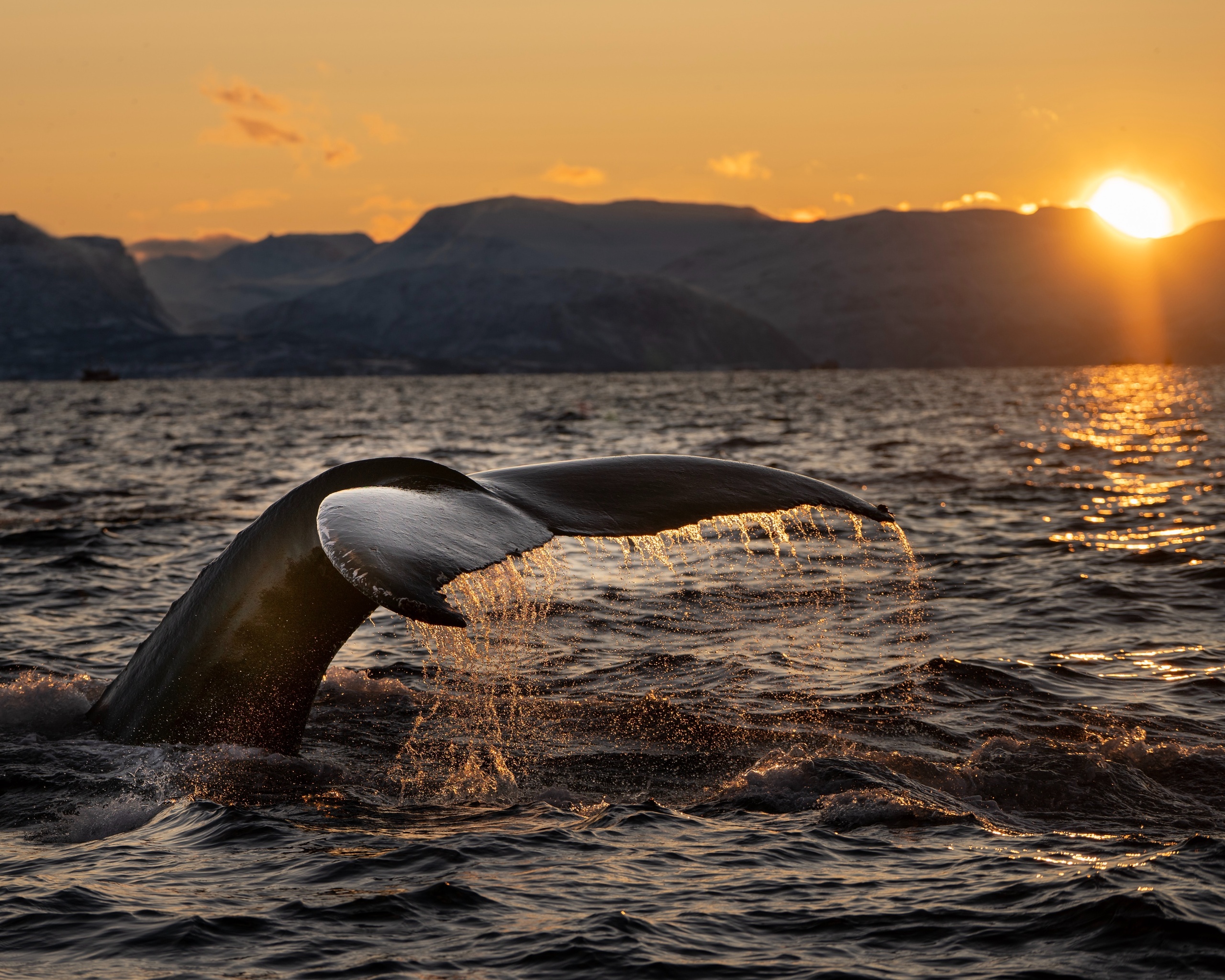
Why Wailea-Makena Is a Standout Whale Watch Destination
The south shore of Maui—between the manicured resorts of Wailea and the raw lava beaches of Mākena—sits adjacent to a remarkable marine funnel: the Auau Channel. This deep, protected swath of ocean between Maui, Lānaʻi and Molokaʻi creates warm, nutrient-moderated pockets that humpback whales favor as breeding and calving grounds each winter. For visitors, that means encounters of a different scale than coastal spotting alone. Pods here display a mix of behaviors—mothers and calves nursing in protected bays, males competing in competitive groups, and juveniles practicing acrobatics—that produce both intimate bay sightings and explosive open-ocean breaches. The landscape around Wailea-Makena helps, too: relatively gentle seas close to shore, many sheltered anchorages, and a coastline where private and commercial operators can access varied habitats within a short run.
But the draw isn’t only biological. Whale watching in Wailea-Makena folds into Hawaiian cultural and environmental layers that enrich the experience. Local guides often open trips with a respectful orientation: the Hawaiian name for humpback, kohola, and the ancestral stories that link ocean mammals to navigation, kinship, and seasonal cycles. Conservation is part of the narrative. Maui’s whale season is a success story of decades-long protections—commercial whale-watch guidelines, speed restrictions in certain channels, and public education programs—that have allowed populations to rebound after 20th-century declines. A modern whale-watch trip can therefore feel like both a wildlife encounter and a small, ritualized lesson in stewardship.
For planners, Wailea-Makena’s whale season is a practical gift. Visitation aligns with winter holidays and quieter shoulder seasons for resort stays, so combining a whale trip with snorkeling trips to Molokini, a sunrise hike on Haleakalā, or a coastal bike ride creates a layered itinerary. The variety of vessels—from nimble rib boats that edge close to surface action, to stabilized catamarans offering hot coffee and shade—means visitors can choose comfort level, photo needs, and accessibility. On calmer days, kayakers and paddleboarders launching from Keawakapu and Makena Beach can occasionally view distant blows from shore, while certified eco-operators run interpretive trips that double as soft-science tours, teaching call identification, behavior interpretation, and how to spot signs of calf-rearing vs. competitive groups.
Seasonal nuance matters. The whales arrive in force in December, build through January and February, and can still be widespread in April, but the highest density of mothers with calves and the most predictable surface displays often cluster in mid-winter months. Weather and swell conditions are generally gentler on the south shore than exposed north-facing coasts, but winter swells and trade-wind shifts can create bouncy crossings; choose your vessel and operator accordingly. For photographers, early-morning trips usually yield the glassiest water; afternoon cruises can offer dramatic light and sunset sandwiches with active groups. Finally, mindful viewing is essential: operators who adhere to NOAA guidelines and state rules mitigate disturbance to resting calves and encourage long-term health of whale use in the area. In short, Wailea-Makena pairs world-class humpback access with the Hawaiian cultural framing and marine protection ethos that make whale watching here both thrilling and responsibly enriching.
Maui’s Auau Channel concentrates humpback activity—ideal for both short coastal cruises and longer chases—making Wailea-Makena a logistically convenient base for whale-focused itineraries.
Combine a whale trip with Molokini snorkeling, a coastal hike through Mākena State Park, or a sunset sail to maximize ocean time and balance active and relaxed experiences.
Choose by purpose
Whale watching, snorkeling, sunset sailing, cultural canoeing, harbor sightseeing, or private chartering.
Start near the city
Waikiki and Honolulu Harbor are primary hubs, with some trips launching near Hanauma Bay.
Confirm the vessel
Gangways, shaded seating, and boarding requirements vary according to vessel size and operator.