Why Waimanalo Is a Standout Boat Rental Destination
There’s a specific quiet to Waimanalo that shows up at sea: the beach unfurls behind you like a slow green ribbon, and the water ahead is a layered palette — nearshore aquamarine, reef-edged turquoise, then a deeper Pacific indigo. Rent a small boat here and those colors become routes: shallow passes to the outer reef, reef trails that hem quieter snorkeling pockets, and short hops to the twin islets off Makapuu where seabirds roost and coral gardens cling to submerged ledges. Waimanalo sits on Oʻahu’s windward flank, which means the trade winds sculpt the water and the shoreline in predictable rhythms. In practice that makes for a distinct boating calendar: mornings can be glassy and ideal for gentle boat handling and snorkeling, while afternoons develop breezes that favor downwind runs and more confident skippers. That pattern gives rental operators a natural operating window and gives visitors options—early glassy swims, late-day wind-assisted cruises, and the chance to time trips around low light for vibrant reef life.
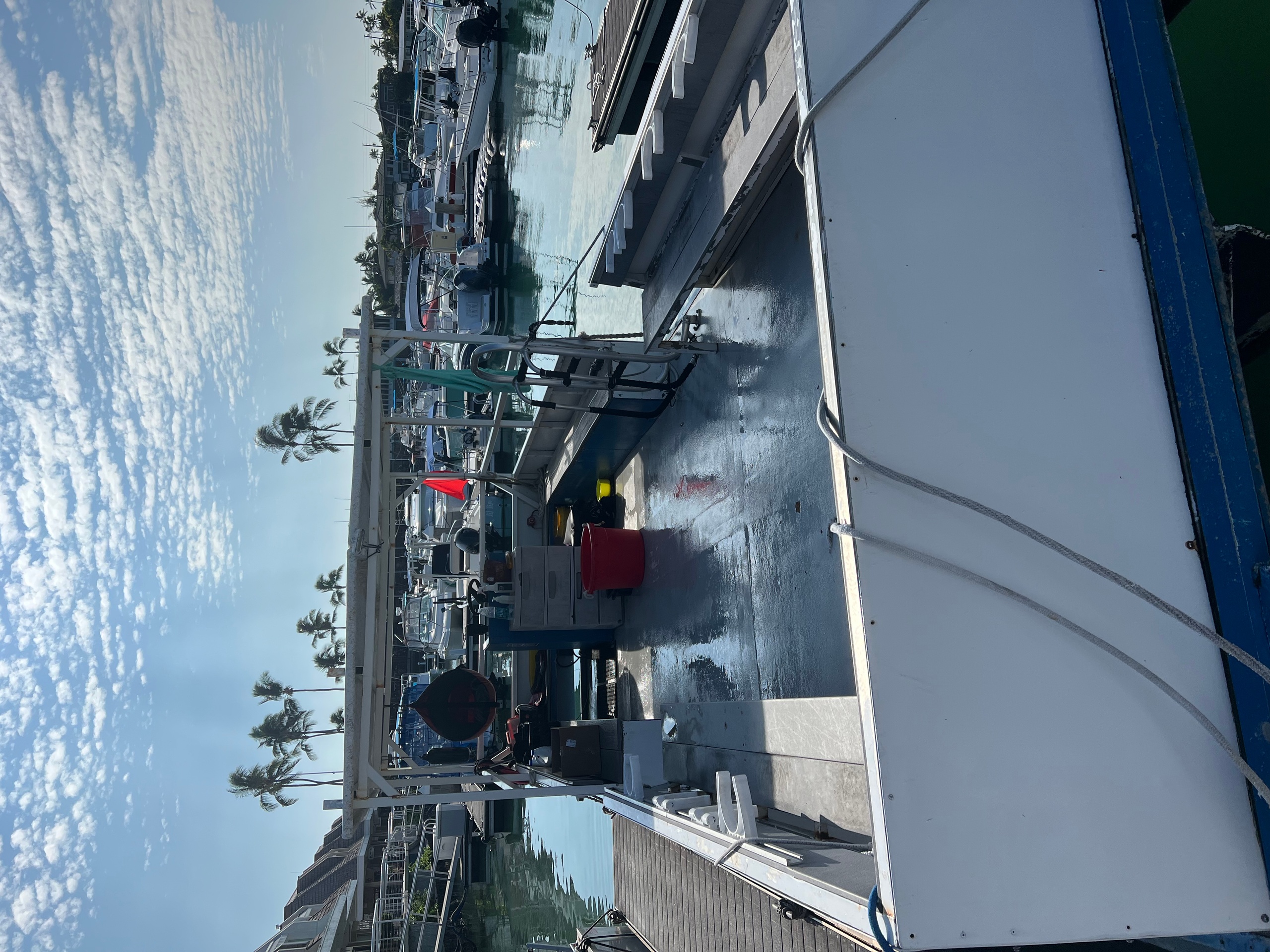
Boat rentals here are practical rather than flashy. The local fleet tends toward nimble day boats—center consoles, rigid inflatables, small cuddy cabins—that are well-suited to the bay’s reef lines and the short jaunts to nearby islets. For travelers this means flexibility: you can book an hourly skiff for a private snorkeling stop, a half-day for reef-hopping and a shoreline picnic, or a guided charter that includes local knowledge about currents, the best reef pockets, and cultural stories tied to the coast. The scale of operations keeps experiences intimate; unlike larger harbor towns, Waimanalo’s rentals feel neighborhood-rooted, often run by folks who grew up windward and read the swell and clouds like a map. That local touch is a major advantage when you want to blend recreation with respect for fragile reef ecosystems—operators commonly emphasize reef-friendly anchoring, reef etiquette, and where to find fish without damaging habitat.
Beyond the practical, boating from Waimanalo opens doors to complementary activities that enrich a day at sea. Snorkeling coral gardens shifts from a checklist task to an immersive hour of place-based discovery when you arrive by boat—less crowded, with immediate access to deeper ledges where turtles graze and reef fish patrol. Anglers will appreciate the quick access to pelagics and reef structure within a short run; seasonal migrations add another layer when ono, mahi-mahi, and occasional ahi chase bait nearshore. Kayak and paddleboard rentals share the same shoreline vocabulary, but a small motorboat extends range and timing, letting visitors catch sunrise light over Makapuʻu or chase the last warm glow on the way back to the beach. Human and natural histories are woven through every route—ancient fishponds down the coast, cetacean corridors in winter, and WWII relics just offshore—so a day on the water here reads like an intersection of ecology and culture.
For planning, the balance is simple and essential: know the day’s winds, choose a craft that matches your party’s skill and itinerary, bring reef-safe sun protection and reef-aware footwear, and lean on local operators for route and safety advice. With those pieces in place, Waimanalo’s water becomes a small-boat playground where the tempo of the trade winds, the clarity of the shallows, and a community’s coastal knowledge combine into a boating day that feels both effortless and distinctly Hawaiian.
Scale and accessibility: short boat runs mean you spend more time at reefs and islets and less time motoring—ideal for half-day rentals and repeat trips in a single stay.
Local stewardship: many operators emphasize reef-safe practices, educating renters on anchoring outside sensitive coral formations and using mooring where available.
Choose by purpose
Whale watching, snorkeling, sunset sailing, cultural canoeing, harbor sightseeing, or private chartering.
Start near the city
Waikiki and Honolulu Harbor are primary hubs, with some trips launching near Hanauma Bay.
Confirm the vessel
Gangways, shaded seating, and boarding requirements vary according to vessel size and operator.