Whale Watch — Waimanalo, Hawaii
Waimanalo Whale Watch Guide

Whale Watch — Waimanalo, Hawaii

Waimanalo’s broad, windward bay delivers one of the most intimate whale-watch settings on Oahu: wide views from shore, quick access to classic boat routes, and a season when humpback whales parade through shallow coastal waters. This guide focuses on how to plan a responsible, memorable whale-watching outing here—whether you stay on the sand with binoculars or board a local charter for a sea-level perspective.

Waimanalo BayOahu Windward CoastMakapuu PointKailua Bay

Live destination inventory

Top Whale Watch Trips in Waimanalo

77 trips · Book with confidence · Instant confirmation

The prototype intentionally does not invent replacement trip cards or add images that are not already part of the live source page.

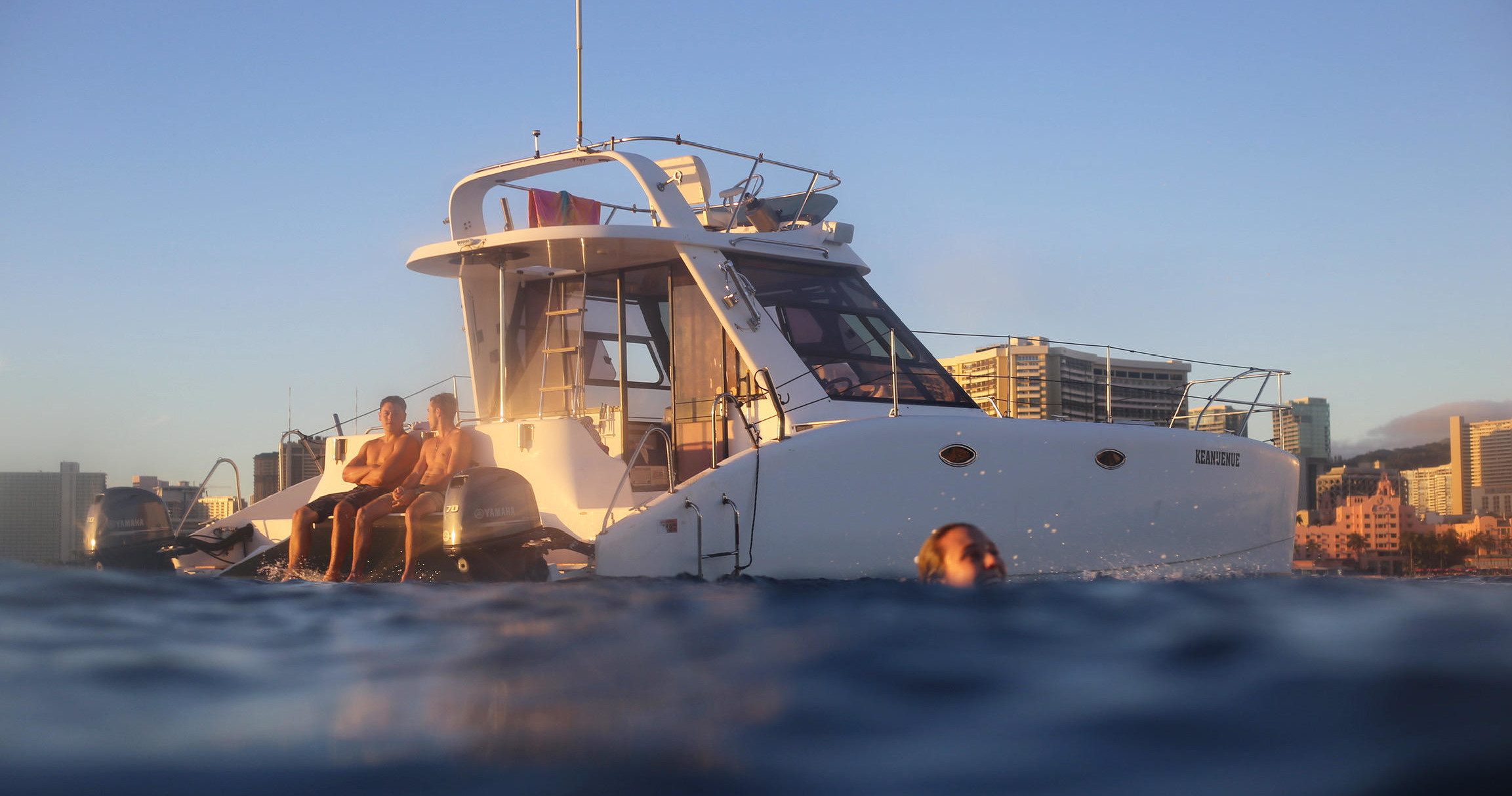
The city from the water

Why Waimanalo Is a Special Place to Watch Whales

Standing on the crescent of sand at Waimanalo, you feel the ocean’s breadth in a single glance: low, luminous water stretching to the horizon, backed by the steep ridges of the Koʻolau Range. That combination—shallow offshore shelf, wide bay, and a windward exposure that funnels migrating animals close to shore—makes this stretch of Oahu particularly rewarding for whale watching. Humpback whales (known in Hawaiian as kohola) migrate from Alaskan feeding grounds to Hawaiian wintering waters to breed, calve, and nurse. In Waimanalo, their behaviors—spyhopping, tail lifts, breaching and the slow, dramatic surfacing of a mother and calf—are often visible from the shoreline on calm mornings and even more immediate on a small-boat outing. But the experience here is not just zoological spectacle. The windward coastline has a long human history entwined with the sea: fishing grounds, canoe passages, and cultural practices that honor marine life. Local guides often fold this cultural context into trips, explaining not just what you’re seeing but why these animals matter to island communities. Conservation is an active part of the conversation; marine sanctuaries, patient monitoring, and community stewardship have helped keep sighting opportunities reliable in recent decades, even as ocean conditions shift. The terrain around Waimanalo supports two basic approaches to whale watching. Shore-based viewing is accessible and transport-light: bring binoculars, pick a high sand dune or the rocky headlands near Makapuu, and scan the horizon for blows and flukes. Boats offer more kinetic experiences—short, private charters or larger naturalist trips run from nearby launch points at Kailua, Waimanalo, and Makapuu, taking you into the whale’s realm at sea level while emphasizing safe, respectful distances. Both approaches reward patience and preparation: mornings are often calmer and clearer, wind and swell build through the afternoon, and weather-driven visibility can vary dramatically. Complementary activities are immediate: kayak outreaches that follow the shoreline, coastal hikes that combine lookout points with birding, and snorkeling opportunities in calmer coves after whale season. Practical planning matters—sea conditions, the time of day, and the operator’s approach to wildlife etiquette all shape whether your encounter feels intrusive or reverent. This guide centers on giving you the context to choose the right vantage—shore or vessel—while honoring both the marine animals and the local cultures that protect them.

Waimanalo’s shoreline blends broad sandy beaches with rocky headlands; both pay dividends for spotting blows and tail-slaps against a dramatic island backdrop.

Local operators and community groups emphasize education and adherence to federal and state regulations designed to minimize disturbance to whales.

The harbor is the gateway, and the Pacific becomes the classroom.

Complementary adventures—kayaking, coastal hiking, and birdwatching—make it easy to extend a whale-watching morning into a full-day windward-coast exploration.

Activity focus

Choose by purpose

Whale watching, snorkeling, sunset sailing, cultural canoeing, harbor sightseeing, or private chartering.

Departure hubs

Start near the city

Waikiki and Honolulu Harbor are primary hubs, with some trips launching near Hanauma Bay.

Accessibility

Confirm the vessel

Gangways, shaded seating, and boarding requirements vary according to vessel size and operator.
Seasonal planning

Best Time to Visit

Waimanalo is warm year-round, but wind, swell, migration, visibility, and demand change the best match between traveler and trip.

Waimanalo boat tour
Year-round destination

Seasonal highlights change the reason to go

Winter favors humpback encounters; warmer, calmer months favor snorkeling visibility and smoother water.

Humpback season

Late December through February sees the highest concentration of whales and the most active mother-calf behavior.

Prime whale watching, winter holidays, higher demand, and earlier sell-outs.

Snorkeling window

December–January–February–March–April

Typically gentler seas and clearer water for snorkeling trips.

Weather notes

Trade winds year-round

Waimanalo sits on Oahu’s windward side; trade winds can create choppy seas in the afternoon. Mornings tend to be calmer and clearer, offering the best visibility for both shore and boat trips. Rain showers are typically brief but can reduce sighting visibility.

Quieter opportunities

Late spring & summer weekdays

Outside peak months there are fewer guaranteed sightings but shore-based walks and coastal hikes are quieter—occasional whales or other cetaceans may still be sighted year-round.

Match the trip to your comfort

Choose Your Experience Level

Low effort

Beginner

Low-effort, high-reward options: shore-based viewing from Waimanalo Beach and short educational cruises that emphasize sightings and interpretation.

  • Morning binocular session from Waimanalo Bay
  • Family-friendly introductory whale-watch cruise
  • Guided coastal walk with whale-spotting stops
Active day trip

Intermediate

Small-boat trips and longer guided cruises that read marine conditions and seek out behaviors like breaches and tail-slapping while maintaining wildlife etiquette.

  • Half-day naturalist cruise departing from nearby launch points
  • Kayak-assisted shoreline trip (operator-led) paired with whale viewing
  • Photography-focused excursion during the calm morning window
Longer or technical

Advanced

Custom charters or multi-day sea excursions for photographers and researchers who require specialized platforms and extended time on the water. These experiences usually require prior arrangement.

  • Private charter for extended observation and photography
  • Collaborative trips with marine educators or researchers
  • Expeditions timed for early-morning, low-wind windows to maximize sightings

Prepare for sun, spray, and swell

What to Bring

Essential

Core kit

  • Sturdy binoculars (7x–10x)
  • Windproof layer and sun protection (hat, sunscreen)
  • Water, snacks, and a dry bag for electronics
  • Motion-sickness meds if you’re prone to seasickness
  • Camera with zoom lens or telephoto (or smartphone + zoom)
Recommended

Useful extras

  • Reusable water bottle and light snack to stay on the water longer
  • Light waterproof shell for spray and wind
  • Notebook or app to log sightings (time, behavior, direction)
  • Rechargeable battery pack for phones and cameras
Optional

Trip-specific

  • Compact spotting scope for shore-based viewing
  • Polarized sunglasses to reduce glare
  • A lightweight folding chair or sand mat for longer shore sessions
Respect ocean wildlife and local customs; always follow the guidance of experienced captains and park officers.

Insider Tips & Local Knowledge

Reserve whale-watching and popular sunset cruises well ahead during December–April.
Choose morning snorkeling departures for calmer seas and better underwater visibility.
For motion sensitivity, choose a larger vessel, sit mid-ship, and take preventative medication before boarding.
Do not touch coral or wildlife, avoid standing on reefs, and use reef-safe sunscreen.
Community-based operators may add context about traditional navigation and stewardship.
Arrive early for parking and check-in because Waikiki departure areas can be busy.

Planning questions

Frequently Asked Questions

No permit is required to observe whales from public beaches and viewpoints. If you’re launching a charter or research-focused vessel, operators must comply with federal and state regulations and any required permits.
Whale Watch — Waimanalo, Hawaii
Ready for your whale watch adventure?

Browse 77 verified trips in Waimanalo.

Compare current availability and book with instant confirmation.

Explore Waimanalo whale watch