Why Waimea Is a Standout Hiking Destination
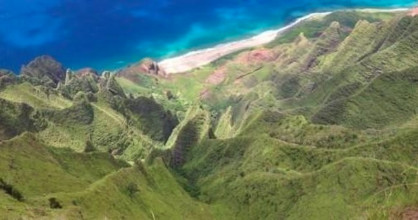
Waimea’s trails are not just routes through the landscape; they are living cross-sections of Hawaii’s layered geography and human history. Start a morning in humid valley shade and, within an hour, find yourself on an open saddle with views that read like a geography lesson—patchwork pasture, scalloped shorelines, and the serrated ridges where native forest clings to cooler air. The town’s upland position moderates temperature compared with coastal heat, making early- and late-season hikes pleasantly cool. But that temperate feel is deceptive: Waimea’s weather can change rapidly, trade winds can rise to bracing gusts on exposed ridgelines, and localized showers can make red soil slick and river crossings tricky. The best hikes take advantage of these contrasts—walks that begin among pasture fences and old stone markers, traverse lava-formed knolls or volcanic soils, and finish overlooking a valley where waterfalls gather after storms.
Culturally, hiking around Waimea is a gentle education in mana‘o and stewardship. Trails frequently pass through lands shaped by paniolo (Hawaiian cowboy) culture, by plantation-era roads, and by ancestral routes between mountain and sea. Interpretive signage is spotty, so a little research pays: local museums, ranger stations, and community centers often provide context about place names, endemic species, and access etiquette. For travelers, this means hikes are as much about listening and observing as they are about exertion—birdsong, the scent of ‘ōhi‘a blossoms, and the sight of a solitary cow on a ridge all become part of the narrative.
Ecologically, the area hosts a surprising range of habitats: dry coastal scrub and kiawe in lowlands, pasture mosaics at middle elevations, and remnant wet pockets where native flora persists. That variety makes Waimea a useful base for hikers who want a mix of short, scenic loops and longer ridge-to-valley days. Because access patterns vary—some trails cross private or leased ranchland, others begin at state or county parks—planning is practical as much as physical. Expect clear navigation challenges in lesser-used routes, and treat water sources as uncertain. With modest preparation, Waimea rewards hikers with intimate landscapes, dramatic vantage points, and a chance to feel like you’re following routes that island residents still use, rather than isolated tourist corridors.
The terrain variety is the draw: open pastures and rolling uplands for fast, sunlit miles; steep valley descents where humidity and native ferns reclaim slope; and coastal approaches where trade winds sculpt scrub and seabird colonies can be spotted offshore.
Seasonality is microclimatic. Drier months often deliver clearer views and firmer trails, but green seasons rejuvenate waterfalls and deepen the color of the valleys—both offer different but equally compelling reasons to visit.