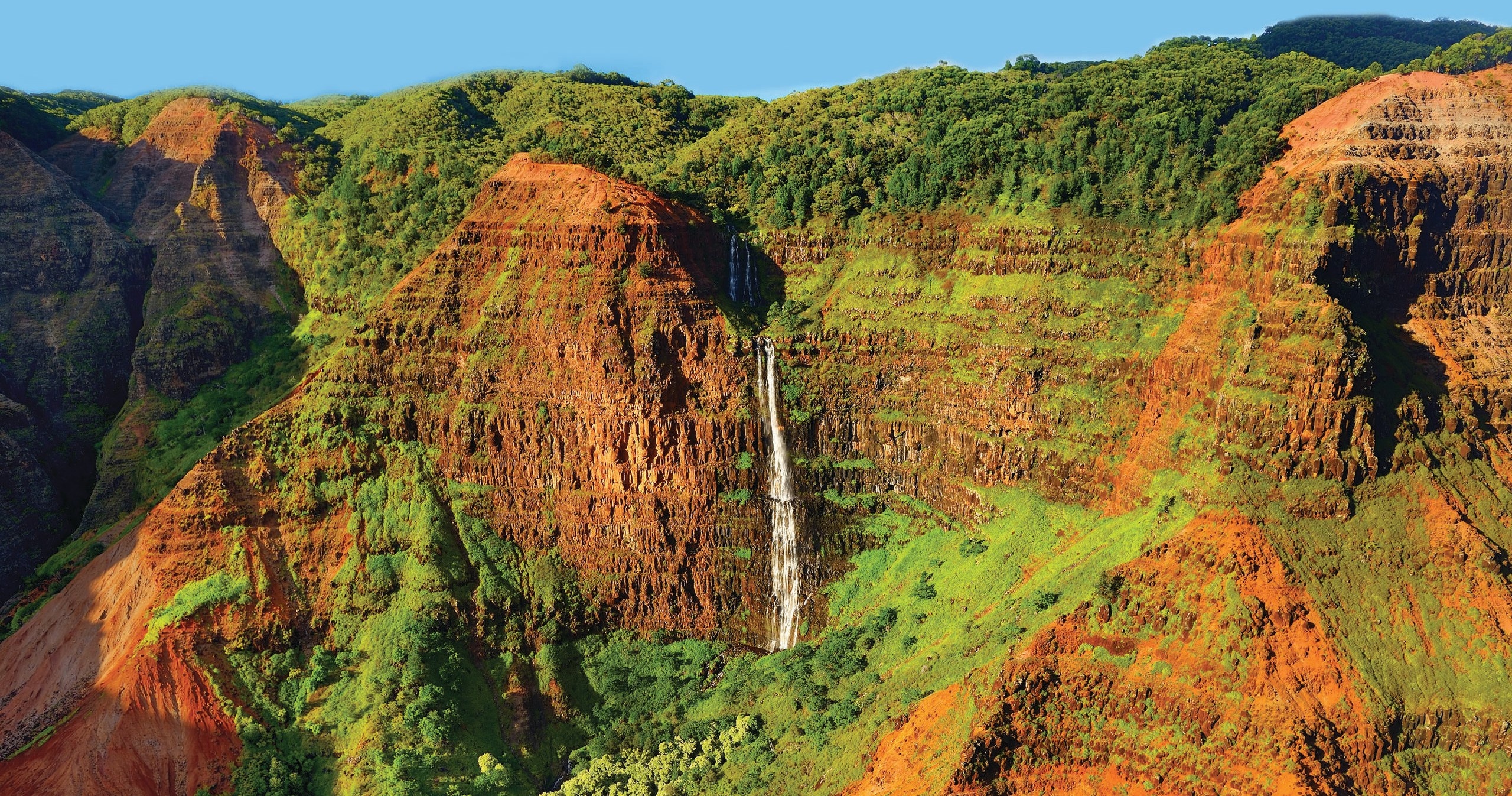
Why Waimea Is a Sightseeing Destination Worth a Slow Drive
Waimea is a town that rewards slow observation. Unlike regimented urban tours, sightseeing here is tactile: it begins when you notice the way the wind makes the pampas grass ripple on Parker Ranch, when the coastline emerges as a thin white ribbon below volcanic slopes, and when a mission church bell punctuates a roadside view. The work of seeing Waimea isn’t about checking off a single landmark; it’s about layering short stops into an afternoon — a lookout for the coastline, a walk through a small-town market, a coffee farm visit, and a detour to a restored historic home. Each piece is short enough to fit into a flexible loop, and together they sketch a portrait of island geography and culture that’s both gentle and surprisingly diverse.
Geographically, Waimea occupies an upland pocket between Kohala’s rugged coastline and the larger volcanic massifs that dominate Hawai‘i Island. That position gives sightseeing tours a rare combo: cooler, wind-swept pastureland and close proximity to sun-drenched beaches. On any single day you can feel the trade winds on your face at town level, then drive fifteen minutes west to a luminous beach cove or north toward dramatic cliffs and sea-spray lookouts. The tonal shifts make Waimea especially suited to short guided loops or well-planned self-drive routes: you get pastoral panoramas, coastal horizons, and cultural sites without long transfers.
Culturally, Waimea is anchored by both paniolo (Hawaiian cowboy) tradition and a thriving agricultural scene. Sightseeing here blends natural viewpoints with stops that reveal human stories — working ranches, farmers’ markets where island-grown produce and local crafts are on display, and kūpuna-led cultural centers offering quick interpretive stops. For visitors who want more depth, many sightseeing tours pair a short drive with light activities: a farm tour, a coffee tasting, or a brief horseback demonstration. That mix means sightseeing in Waimea can be anything from a relaxed afternoon for families to a layered half-day for travelers who want context as well as scenery.
Practicality shapes the experience. Roads are generally well-maintained and sightseeing loops are approachable in a standard rental car, though morning winds and occasional passing showers should factor into timing. Accessibility is strong at primary viewpoints and market areas, while some rural lookouts and farm access points may be uneven underfoot. Seasonality is mild compared with alpine or temperate regions, but microclimates mean your plan should remain flexible: early mornings can be cool and crisp, while the coast warms under direct sun. Ultimately, a Waimea sightseeing tour is an invitation to calibrate pace — to prefer observation over agenda — and to leave room for the small discoveries that make island travel feel personal.
Short drives and clustered attractions make Waimea ideal for half-day sightseeing tours. You can pair a morning market and historic walk with an afternoon coastal loop without feeling rushed.
Local guides often add value by translating ranch and Hawaiian cultural history into brief, memorable stories. Consider a guided tour if you want context at each stop rather than simply scenic viewing.