Top 10 Kayak Adventures in Wanchese, North Carolina
Wanchese Kayak Guide

Top 10 Kayak Adventures in Wanchese, North Carolina

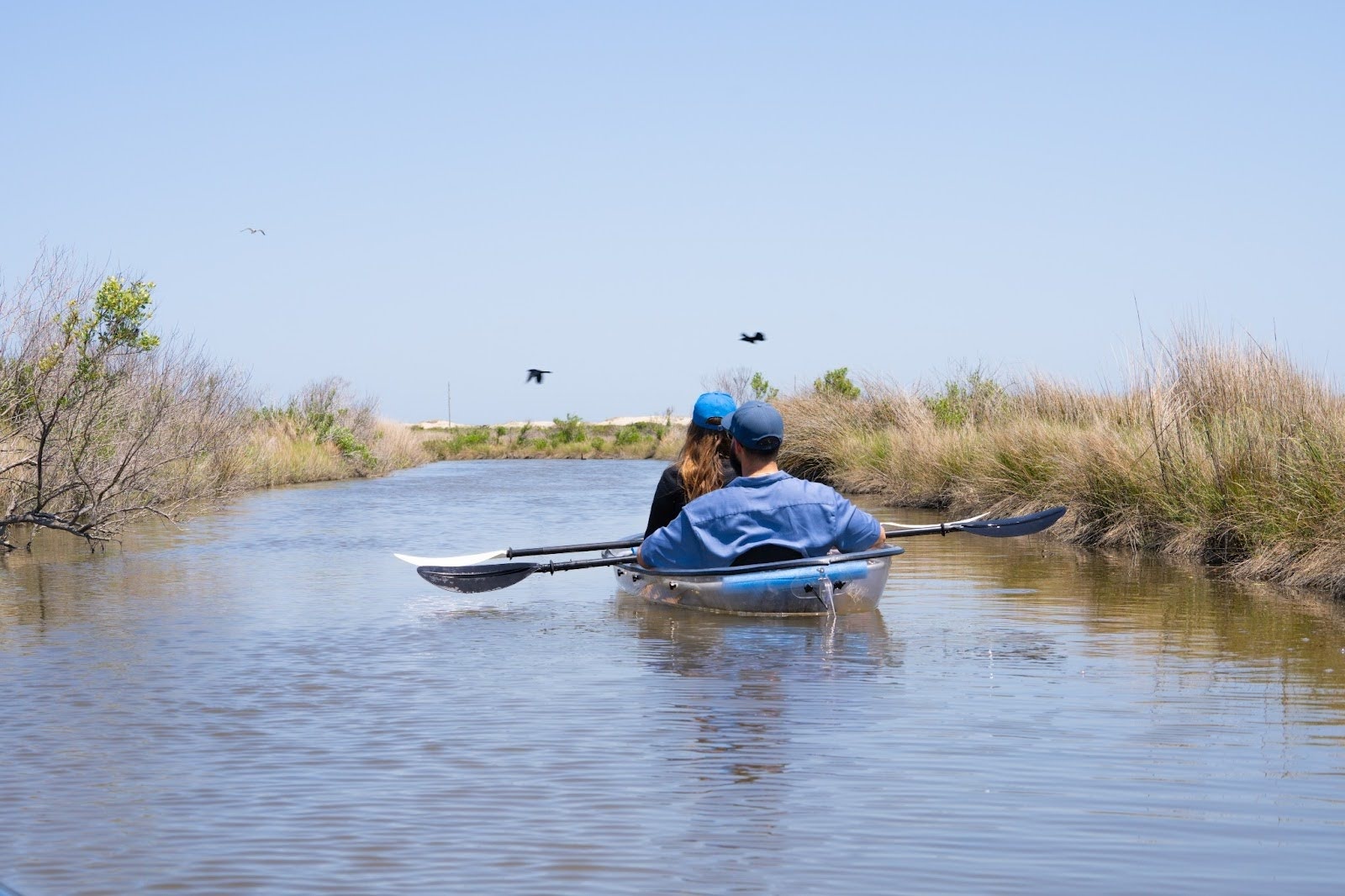
Wanchese is where the sound meets the story: a working fishing village on Roanoke Island that serves as one of the most intimate gateways to Pamlico Sound. Kayaking here is a lesson in coastal patience—paddling narrow tidal creeks fringed with spartina grass, threading between oyster bars at low tide, and drifting into wide sky reflected on glassy flats. Routes favor calm, shallow water with choices for sheltered beginners and wind-tested intermediate paddlers. Expect abundant waterbird life, a constant maritime hum from commercial boats, and a strong cultural link to North Carolina’s watermen traditions.

Roanoke IslandPamlico SoundShallow Coastal Creeks

Live destination inventory

Top Kayak Trips in Wanchese

10 trips · Book with confidence · Instant confirmation

The prototype intentionally does not invent replacement trip cards or add images that are not already part of the live source page.

The city from the water

Why Wanchese Is a Standout Kayak Destination

Wanchese sits at the quieter edge of the Outer Banks, where tidal logic—ebb and flood, bar and backwater—shapes every paddle stroke. The town’s narrow boat ramps and low-key marinas open onto a mosaic of water types: sinuous creeks that carve the salt marsh, broad shallow bay flats that flatten with low wind into glass, and protected sounds that lengthen horizons without the heavy surf of the ocean side. For the kayaker this means a surprisingly large toolkit of experiences within a small radius: short wildlife-rich loops easily done with a morning tide, exploratory runs that thread oyster reefs and tidal channels, and full-day crossings of sheltered soundwater when the wind is favorable. There’s also a cultural current that enriches the activity. Wanchese is not a polished resort town; it’s a working waterfront. You’ll share paddling space with gill-netters, shrimp trawlers, and the occasional research vessel, and that proximity to daily maritime life gives each outing texture—the low, mournful horn of a crab boat at dawn, the stacked geometry of cinderblock docks, and the smell of brine and diesel. For travelers who want more than scenic shots, Wanchese delivers local knowledge: where the shallow bars expose razor clams at low tide, which creek mouths funnel migrating birds, and how tides rearrange launch plans. Ecologically the setting is generous. Salt marshes and back-bay flats are nursery grounds for sportfish and feeding corridors for waterfowl and shorebirds—making kayak trips here especially rewarding for anglers, birdwatchers, and photographers who prefer a low-profile vantage point. Because most routes are shallow and sheltered, Wanchese is excellent for paddlers building technical confidence: learning to read current around bends, edging around oyster beds, and executing low-angle reentries without the drama of surf landings. Those with greater ambition can link up sound crossings to nearby barrier island inlets for a more exposed, navigationally involved outing. Practically, Wanchese’s accessibility helps: it’s close to Roanoke Island amenities, supplies, and boat services while remaining less crowded than the more famous Outer Banks surf towns. That combination—diverse water types, cultural authenticity, abundant wildlife, and logistical convenience—makes Wanchese an especially thoughtful place to learn what coastal kayaking can be: quiet, social, challenging in small ways, and always tuned to the tides.

Sheltered waters, wide flats, and tidal creeks create options for all skill levels—from protected beginner loops to crossing-oriented intermediate trips.

The working waterfront culture means predictable boat traffic and local expertise; talking with watermen can reveal the safest launch windows and productive exploration lines.

The harbor is the gateway, and the Pacific becomes the classroom.

Seasonal bird migrations and nearshore fisheries give kayakers high wildlife payoff with low disturbance; early mornings and late afternoons are especially productive.
Activity focus

Choose by purpose

Whale watching, snorkeling, sunset sailing, cultural canoeing, harbor sightseeing, or private chartering.

Departure hubs

Start near the city

Waikiki and Honolulu Harbor are primary hubs, with some trips launching near Hanauma Bay.

Accessibility

Confirm the vessel

Gangways, shaded seating, and boarding requirements vary according to vessel size and operator.

Seasonal planning

Best Time to Visit

Wanchese is warm year-round, but wind, swell, migration, visibility, and demand change the best match between traveler and trip.

Wanchese boat tour
Year-round destination

Seasonal highlights change the reason to go

Winter favors humpback encounters; warmer, calmer months favor snorkeling visibility and smoother water.

Humpback season

Late May through August sees the most recreational traffic; holiday weekends are busiest.

Prime whale watching, winter holidays, higher demand, and earlier sell-outs.

Snorkeling window

April–May–June–September–October

Typically gentler seas and clearer water for snorkeling trips.

Weather notes

Trade winds year-round

Late spring through early fall provides the warmest paddling temperatures and most stable sound-side conditions. Summer brings heat and afternoon thunderstorms; watch radar. Winter is mild by inland standards but can be windy and chilly on the exposed sound.

Quieter opportunities

Late spring & summer weekdays

Shoulder seasons (April–May, September–October) offer cooler water, migrating birds, and lower visitation—good for multi-put-in days. Winter can provide solitude and dramatic light if you’re prepared for cooler temperatures and stronger winds.

Match the trip to your comfort

Choose Your Experience Level

Low effort

Beginner

Short, sheltered creek loops and calm back-bay excursions with minimal chop—ideal for learning paddling form, low-angle re-entries, and tide awareness.

  • Marsh-edge loop at high slack tide
  • Short birding paddle in a protected creek
  • Introductory flatwater paddle with a local guide
Active day trip

Intermediate

Longer tidal-channel navigation, oyster-bar avoidance, and crossings of wider sound sections where wind and tide require planning and efficient paddling.

  • Channel-to-crest crossings across a shallow sound
  • Multi-launch exploration linking several creeks
  • Sunrise paddle with targeted birding and photography stops
Longer or technical

Advanced

Extended open-water sound crossings, trips requiring tide-current timing, or paddles combining navigation, self-rescue skills, and light gear-hauling.

  • Extended crossing to nearby barrier island inlets (weather dependent)
  • Day trip against a steady headwind with tidal planning
  • Combined kayak-and-fish excursions targeting nearshore species

Prepare for sun, spray, and swell

What to Bring

Essential

Core kit

  • Personal Flotation Device (PFD) — worn at all times on the water
  • Tide and wind-forecast app or printed tide table
  • Dry bag with layers, snacks, and water
  • Sturdy kayak (sea, touring, or stable recreational) with spray skirt if available
  • Map/phone with offline maps and a charged battery
Recommended

Useful extras

  • Paddle leash and bilge pump for re-entry and self-rescue
  • Lightweight wind shell and sun protection (hat, sunscreen)
  • VHF radio or waterproof phone case
  • Familiarity with basic tide reading and shallow-water navigation
Optional

Trip-specific

  • Compact binoculars for birding
  • Small anchor or drift line for photography/fishing stops
  • Fishing license (if you plan to fish from your kayak) — confirm local rules
Respect tide windows, watch wind forecasts, and talk to local watermen for the best launch timing and route beta.

Insider Tips & Local Knowledge

Reserve whale-watching and popular sunset cruises well ahead during December–April.
Choose morning snorkeling departures for calmer seas and better underwater visibility.
For motion sensitivity, choose a larger vessel, sit mid-ship, and take preventative medication before boarding.
Do not touch coral or wildlife, avoid standing on reefs, and use reef-safe sunscreen.
Community-based operators may add context about traditional navigation and stewardship.
Arrive early for parking and check-in because Waikiki departure areas can be busy.

Planning questions

Frequently Asked Questions

Most public launches do not require a special kayaking permit. If you intend to launch from private property or access protected wildlife areas, check local rules before you go.
Top 10 Kayak Adventures in Wanchese, North Carolina
Ready for your kayak adventure?

Browse 10 verified trips in Wanchese.

Compare current availability and book with instant confirmation.

Explore Wanchese kayak