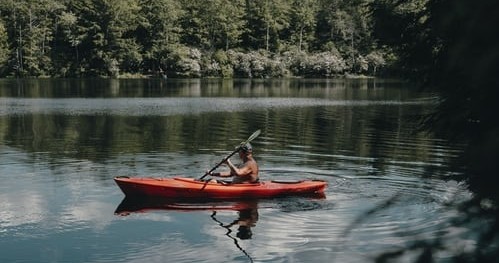
Why Waterford Is a Standout Kayaking Destination
The first thing you notice from the water is how immediate the landscape becomes: small headlands, clipped lawns, salt-marsh ribbons, and the odd colonial roofline peeking above scrub. Waterford’s shoreline sits where the Thames widens and eases into Long Island Sound, and that transitional geography creates paddling conditions that feel both intimate and expansive. On a still morning the surface is a glass plain punctuated by feeding gulls and the slow wake of an oyster boat; on windier afternoons, the Sound’s pulse is evident in short, rolling fetch and a steady breeze that rewards careful route choice.
Paddling here is a study in contrasts. Inboard, estuaries and coves offer sheltered explorations through eelgrass flats and around small islands, settings perfect for quiet nature observation, family outings, and first-time kayakers finding balance. A short hop offshore, and you confront the broader elements: tidal currents, shifting winds, and long sightlines back to the New London skyline. The variety is what makes Waterford a satisfying day-trip hub — you can string together protected tidal creeks for a calm morning then, with a tide-aware plan, extend for a half-day crossing that tests navigation and boat control.
Beyond the pure paddling, Waterford rewards curiosity. Harkness Memorial State Park’s sweeping formal gardens sit adjacent to rugged shoreline that is worth circling by boat; the parks and private coves hold seabird roosts, occasional harbor seal sightings, and plenty of shellfish beds visible at low tide. Local boat ramps and small marinas provide straightforward put-ins, and a handful of outfitter services in the region support rentals and guided tours — important for visiting paddlers who want avoid hauling gear. The proximity to other coastal towns means a single trip can mix a morning paddle with afternoon sailing, a beachside picnic, or an evening in nearby New London.
Practical paddling here leans on understanding tides and weather. Tidal currents in the Sound and near the Thames can be deceptively strong around narrow channels and points; planning around slack water or having the experience to work with currents matters. Summer brings predictable warm air and clearer sea conditions, but also increased recreational traffic — powerboats, charter vessels, and ferry crossings keep your situational awareness sharp. Shoulder seasons offer quieter water and dramatic light: fog-draped mornings in May and crisp, cool days in September are some of the most memorable times to be on the kayak. For anyone planning deeper or offshore runs, a conservative approach to gear, communications, and bail-out options keeps trips safe and enjoyable.
Protected coves and tidal creeks make great beginner-friendly routes and wildlife viewing; estuary paddles reveal eelgrass beds and migratory birds.
Short offshore legs across parts of Long Island Sound introduce tidal planning and open-water skills for intermediate paddlers.
Proximity to state parks, marinas, and nearby coastal towns allows easy trip combinations—paddling, beach time, fishing, and local seafood stops.