Top 12 ATV & UTV Adventures in Weeki Wachee, Florida
Weeki Wachee ATV/UTV Guide

Top 12 ATV & UTV Adventures in Weeki Wachee, Florida

Weeki Wachee is an atypical ATV/UTV destination where low, sandy ridges, pine-flatwoods tracks, and river-adjacent trails meet the slow-rolling charm of Florida’s Gulf Coast. Expect short technical sections, wide sand roads for cruising, private riding parks within an hour’s drive, and easy access to the region’s signature attractions—clear springs, mermaid shows, and coastal marshes. This guide focuses on the region’s ATV/UTV opportunities, how to plan around Florida’s seasons, and where to combine a day on the trails with kayaking, wildlife viewing, or a dip in a freshwater spring.

Weeki Wachee Springs State ParkHernando County Riding AreasGulf Coast Access

Live destination inventory

Top ATV/UTV Trips in Weeki Wachee

12 trips · Book with confidence · Instant confirmation

The prototype intentionally does not invent replacement trip cards or add images that are not already part of the live source page.

The city from the water

Why Weeki Wachee Is a Notable ATV/UTV Destination

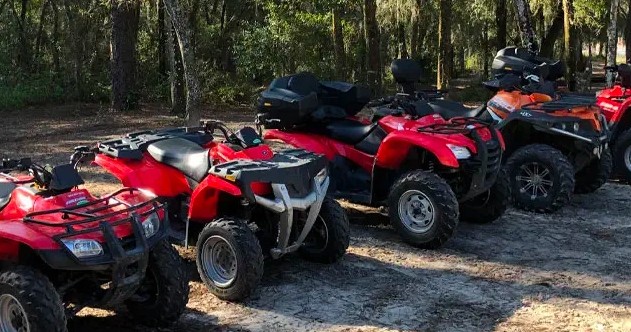
On the map, Weeki Wachee reads like a postcard of springs and gulf-colored water; on the trail, it opens into an understated patchwork of sandy fire roads, pine flatwoods, and privately managed off-road parks that make for surprisingly good riding. The terrain here lacks the high-relief drama of mountain riding, but it makes up for elevation in variety: tight, scrubby singletracks that thread through saw palmetto and oak; broad, wind-swept sandy lanes that invite a relaxed UTV cruise; and muddy, technical hollows that appear when winter rains raise the water table. This is riding sized to be approachable—an experience that rewards low centers of gravity, throttle control, and attention to local habitat. Weeki Wachee’s proximity to springs and waterways shapes the riding culture. Many routes sit on old logging roads and sand ridges that skirt freshwater creeks and river floodplains; that adjacency creates a dual experience for riders who want to transition from a morning on the trail to an afternoon rafting or snorkeling the clear spring runs. It also demands environmental awareness: the same calcareous sand that makes the trails fast can be fragile for groundwater and spring ecosystems. Responsible riders respect marked access points and avoid cutting new lines through sensitive scrub or spring basins. Access and infrastructure for OHV (off-highway vehicle) activity in the Weeki Wachee area are a hybrid of public and private opportunities. Florida’s public off-road offerings are limited compared with the western U.S., so many of the best technical routes and mud fields are found on private riding parks, working ranches that host organized rides, and club-run trail systems within a short drive. That means planning—arranging rentals, guided trips, or day passes—and a willingness to combine the ride with other nearby outdoor experiences. A single day can pair a morning UTV loop with a midday visit to Weeki Wachee Springs State Park, an afternoon paddle along the Weeki Wachee River, and a sunset drive out to the Gulf for oyster bars and salt air. For travelers, Weeki Wachee’s strengths are accessibility and contrast. You’re not chasing alpine vistas; you’re chasing a particular Florida palette—sandy hollows, scattered pines, coastal marsh, and the crystalline springs that define this coastline. It’s an ATV/UTV place for riders who appreciate technical sand, wildlife on the edges of the trail (white-tailed deer, wading birds, and, where freshwater meets marsh, the wary alligator), and the convenience of combining mechanized trails with non-motorized water recreation. The riding here is convivial: families and groups mix rental UTVs and experienced riders, while local outfitters and clubs bridge gaps in access and provide the knowledge crucial for safe, legal, and enjoyable adventures.

The region’s appeal is its mosaic of experiences—short technical sections, long sandy runs, and nearby springs and rivers that let you pair mechanized exploration with paddling, snorkeling, or wildlife viewing.

Seasonality matters: mild winters make for long riding days, while summer’s heat and frequent afternoon storms shift activity toward early mornings, private parks, or wet-season-specific attractions.
Activity focus

Choose by purpose

Whale watching, snorkeling, sunset sailing, cultural canoeing, harbor sightseeing, or private chartering.

Departure hubs

Start near the city

Waikiki and Honolulu Harbor are primary hubs, with some trips launching near Hanauma Bay.

Accessibility

Confirm the vessel

Gangways, shaded seating, and boarding requirements vary according to vessel size and operator.

Seasonal planning

Best Time to Visit

Weeki Wachee is warm year-round, but wind, swell, migration, visibility, and demand change the best match between traveler and trip.

Weeki Wachee boat tour
Year-round destination

Seasonal highlights change the reason to go

Winter favors humpback encounters; warmer, calmer months favor snorkeling visibility and smoother water.

Humpback season

Late winter through spring (December–April) when temperatures are cooler and rainfall is lower.

Prime whale watching, winter holidays, higher demand, and earlier sell-outs.

Snorkeling window

November–December–January–February–March–April

Typically gentler seas and clearer water for snorkeling trips.

Weather notes

Trade winds year-round

Weeki Wachee has a humid subtropical climate. Winters are mild and dry—ideal for long days on the trail—while summers are hot, humid, and punctuated by frequent late-afternoon thunderstorms. Springtime can be pleasantly warm but may bring increased visitation during spring break and holidays.

Quieter opportunities

Late spring & summer weekdays

Summer offers fewer crowds and lower weekday prices, but heat, humidity, and afternoon storms can limit midday riding. Some private parks run wet-season events geared toward mud riding.

Match the trip to your comfort

Choose Your Experience Level

Low effort

Beginner

Short, low-speed loops on wide sandy trails and managed UTV areas. Great for families and first-time riders when paired with an outfitter-provided orientation.

  • Guided UTV loop at a private riding park
  • Introductory sand-ride on a wide fire road
  • Half-day rental with basic trail instruction
Active day trip

Intermediate

Longer rides that include tighter singletrack, sand ridges, and occasional wet or rutted sections. Riders should be comfortable with throttle control and basic recovery techniques.

  • Cross-country loop combining sandy lanes and scrub tracks
  • Sunrise ride paired with a mid-morning spring visit
  • Guided tour that includes technical sand and shallow mud hollows
Longer or technical

Advanced

Technical mud runs, steep sandy climbs on private properties, and extended backcountry-style navigation. Advanced outings often happen at private parks or group-run events where difficult lines and mud pits are available.

  • Full-day private-park technical run with mud pits
  • Off-trail recovery training and winch practice events
  • Extended multi-property loop with limited services

Prepare for sun, spray, and swell

What to Bring

Essential

Core kit

  • DOT-approved helmet and eye protection (if not provided by rental)
  • Long-sleeve shirt and durable pants to protect against brush and sun
  • Closed-toe boots with ankle support
  • Hydration system or water bottles (Florida heat dehydrates quickly)
  • Photo ID, driver’s license, and credit card for rentals or day passes
Recommended

Useful extras

  • Gloves and a lightweight wind/rain shell
  • Sunscreen and insect repellent (DEET or picaridin for mosquito season)
  • Small first-aid kit and basic tool kit (spark-plug wrench, tire plug kit)
  • Spare fuel or knowledge of fuel stops for longer loops
  • Phone with offline maps and a portable battery
Optional

Trip-specific

  • Hydration bladder with a bite valve for easy sipping on the trail
  • Dry bag for valuables if combining with paddling or spring visits
  • Binoculars for birding near rivers and marshes
  • Camera with weather protection for sparkling spring water photos
Check access rules and trail statuses before you go; respect springs and wildlife; plan fuel and cooling strategies for Florida heat.

Insider Tips & Local Knowledge

Reserve whale-watching and popular sunset cruises well ahead during December–April.
Choose morning snorkeling departures for calmer seas and better underwater visibility.
For motion sensitivity, choose a larger vessel, sit mid-ship, and take preventative medication before boarding.
Do not touch coral or wildlife, avoid standing on reefs, and use reef-safe sunscreen.
Community-based operators may add context about traditional navigation and stewardship.
Arrive early for parking and check-in because Waikiki departure areas can be busy.

Planning questions

Frequently Asked Questions

Legal riding is a mix of private riding parks, club-managed trails, and specific public lands that allow OHV use. Public access is limited compared to western states—check with local outfitters, Hernando County land managers, and private parks for current access and day-pass options.
Top 12 ATV & UTV Adventures in Weeki Wachee, Florida
Ready for your atv/utv adventure?

Browse 12 verified trips in Weeki Wachee.

Compare current availability and book with instant confirmation.

Explore Weeki Wachee atv/utv