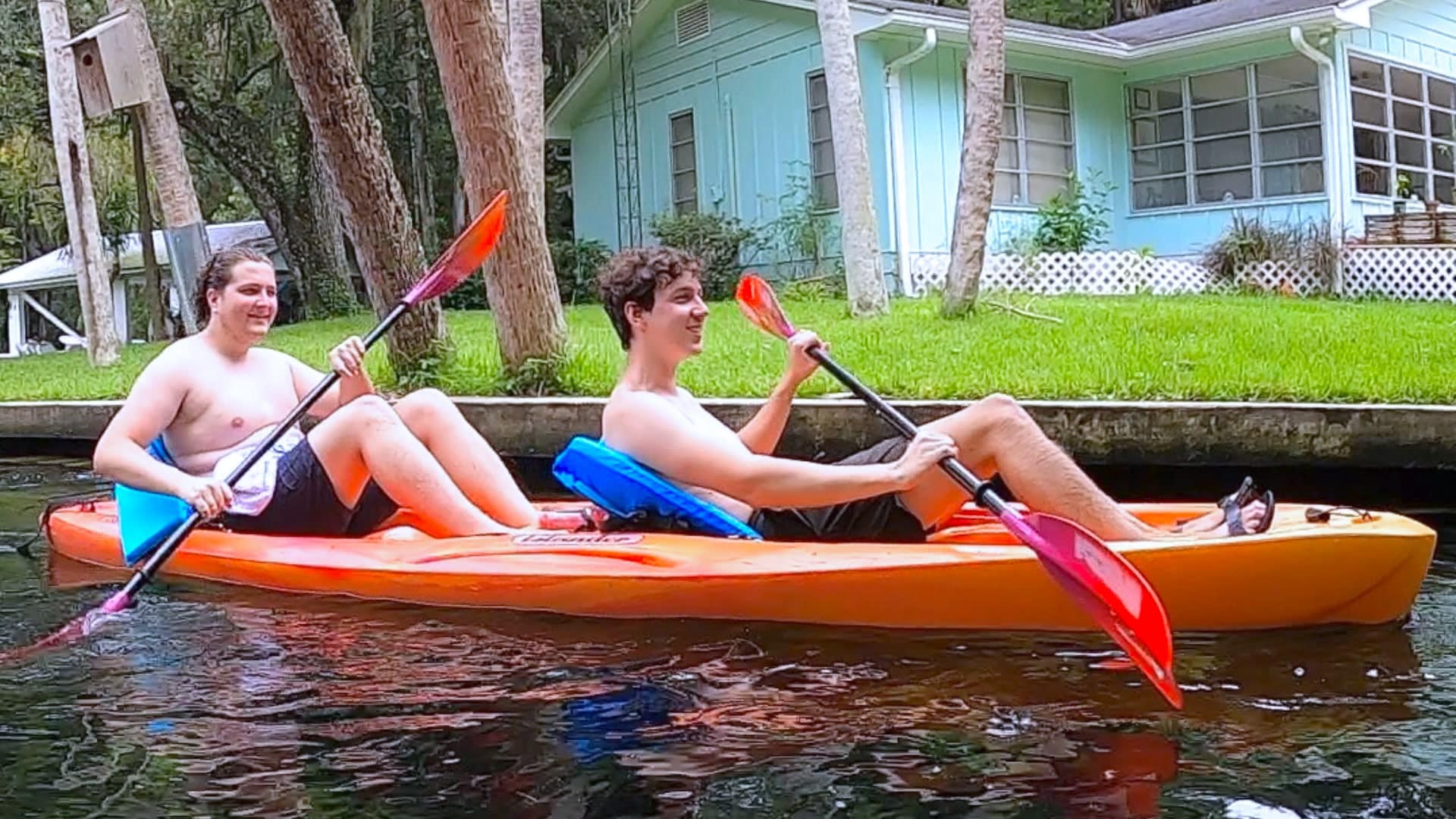
Why Weirsdale Is a Standout Canoe Destination
Paddling around Weirsdale is an exercise in slow discovery. The town sits on the southern edge of Lake Weir, and the paddling here favors long, lingering strokes over adrenaline-fueled runs: wide water that opens into sudden pockets of marsh, narrow channels that thread through sawgrass and cypress knees, and spring-fed feeder streams that glow a clearer, colder green than the surrounding blackwater. On calm mornings the lake surface becomes a living mirror, reflecting the low-slung clouds and the dense fringe of wetlands—an ideal canvas for a canoe that wants to whisper rather than roar.
Because the terrain is low and water-driven, the seasons are primarily measured by light and weather rather than snow or freeze. Fall and winter mornings bring crisper air and cleaner visibility, making birdwatching and photography especially rewarding. Spring draws frogs and wading birds to the emergent vegetation, while summer expands the palette: later sunrises, thick humidity, and the sudden, dramatic thunderstorms that roll through the peninsula. Wildlife is abundant and accessible: herons and egrets park themselves like punctuation marks along the shallows; river otters and turtles slide into the quiet; and fish activity outlines channels you’ll want to probe with a tentative stroke. All of this happens with a gentle human scale—no long portages, few technical hazards, and an approachable mood that welcomes beginners and rewards practiced paddlers who want to slow down and look closely.
The region’s cultural and environmental context matters to the canoeing experience. Weirsdale sits amid citrus groves, scrub, and forest patches that tell the story of Central Florida’s agricultural past and its ongoing efforts to conserve water and habitat. Moving through these waterways feels like following an old highway: rivers and creeks were the original routes, arteries that supported logging, transport, and small-scale commerce before modern roads took over. Today the paddler’s map is a composite of public launches, sleepy county parks, and less-formal put-ins where local knowledge makes the difference. Respect for private shoreline and nesting seasons is part of that local knowledge; in many places shoreline access is limited and the best routes are discovered by talking to a local outfitter, checking launch signage, or following the contours of public land on a topographic or paddling map.
Practicality is woven into the romance here: canoe trips range from short wildlife-focused loops to multi-hour explorations that combine lake crossings with narrow creek work. Wind and afternoon storms are the principal planning variables—what begins as easy flatwater can become a crosswind challenge if you misjudge forecast timing. But for those who plan around the weather, Weirsdale offers paddling that is contemplative, scenic, and remarkably accessible. Whether you’re after a sunrise glide on Lake Weir, a low-key family outing, or a daylong combination of lake and tributary exploration, the area rewards paddlers who balance curiosity with basic seamanship and a respectful approach to the fragile wetland environment.
Accessible flatwater: Lake Weir and adjacent creeks provide forgiving conditions for novices while still offering length and variety for experienced paddlers.
Wildlife and habitat: Expect abundant birdlife, turtles, and the occasional otter; marshes and cypress stands create quiet observation points.
The harbor is the gateway, and the Pacific becomes the classroom.
Local flavor: The paddling routes thread through agricultural edges and conservation lands, connecting a sense of rural Central Florida to the water experience.
Choose by purpose
Whale watching, snorkeling, sunset sailing, cultural canoeing, harbor sightseeing, or private chartering.
Start near the city
Waikiki and Honolulu Harbor are primary hubs, with some trips launching near Hanauma Bay.
Confirm the vessel
Gangways, shaded seating, and boarding requirements vary according to vessel size and operator.