Why West Bradenton Is a Standout Place to Watch Wildlife
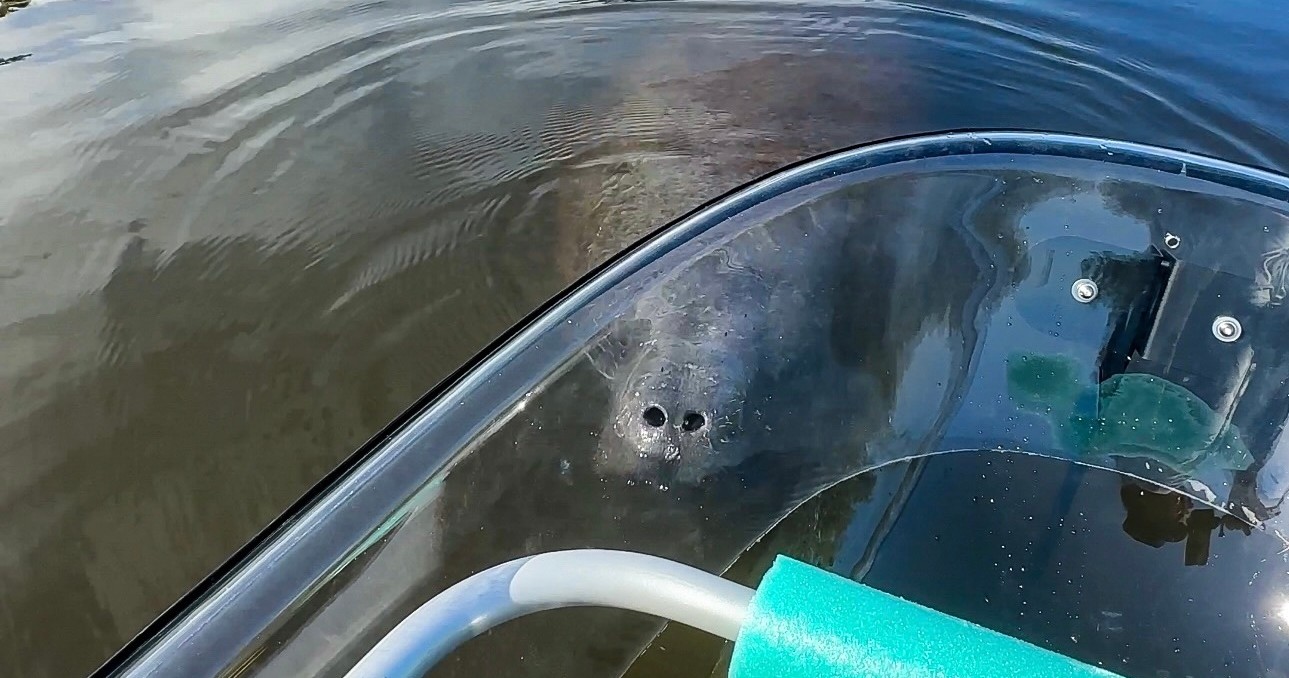
West Bradenton occupies a quiet corner of the Gulf Coast where shallow bays, tidal flats, and mangrove thickets create an intimacy with wildlife that larger coastal cities rarely offer. The shallow, warm waters of Palma Sola Bay and adjacent estuaries are living nurseries: seagrass beds feed manatees and juvenile fish, while mudflats and exposed sandbars draw flocks of herons, egrets, and migratory shorebirds. Because the water is shallow and the coast gently sloping, you don’t need a big boat or a long offshore run to find active wildlife—paddle a kayak at dawn or join a small-boat guide and you’ll often find dolphins weaving between mangrove roots and gulls working the surf.
The ecological diversity here is subtle but profound. Mangroves serve as both nursery and shelter, their tangled roots hosting small crustaceans and juvenile reef fish that feed larger predators. Seagrass meadows—often overlooked—are essential carbon sinks and feeding grounds for West Indian manatees that return to these bays especially in cooler months. Along the shoreline, salt marshes and coastal hammocks support a different cast: ospreys and kestrels hunting over open water, limpkins and rails moving furtively through the marsh grasses, and migratory warblers dropping in during spring and fall stopovers.
Seasonality reshapes the experience without shutting it down. Winter months bring clearer skies, calmer seas, and a concentration of manatees and wintering waterfowl, making guided boat tours and shoreline walks particularly rewarding. Spring and fall bring migration pulses—shorebirds and passerines moving through on their long-distance routes—while summer floods the estuary with juvenile life: fish, crabs, and turtles become more visible, and nighttime events like sea turtle nesting and hatchling runs occur a little farther along the coast. That variety means West Bradenton is not a single snapshot of wildlife but a slow-motion film where different scenes take the lead through the year.
Beyond the animals, the human side of wildlife watching here is quietly active and conservation-minded. Local preserves, volunteer groups, and guide services prioritize low-impact viewing: keeping distance, avoiding sensitive nesting areas, and educating visitors about tides, breeding seasons, and habitat vulnerability. For travelers, that means wildlife experiences that feel immediate and authentic, but that also come with a clear set of ethical practices. Whether you’re a birdwatcher with a checklist, a family seeking curious dolphins, or a solo paddler hungry for close-up nature, West Bradenton offers accessible and varied wildlife encounters—provided you plan around tides, seasons, and local guidelines.
Habitat variety is the draw: mangroves, seagrass flats, salt marshes, and barrier beaches are all within short drives or paddles of each other.
Low-tide windows, dawn/dusk light, and seasonal migrations heavily influence what you’ll see—planning by tide and time of day boosts success.
Choose by purpose
Whale watching, snorkeling, sunset sailing, cultural canoeing, harbor sightseeing, or private chartering.
Start near the city
Waikiki and Honolulu Harbor are primary hubs, with some trips launching near Hanauma Bay.
Confirm the vessel
Gangways, shaded seating, and boarding requirements vary according to vessel size and operator.