Top 12 Sailing Adventures in Wrightsville Beach, North Carolina
Wrightsville Beach Sailing Guide

Top 12 Sailing Adventures in Wrightsville Beach, North Carolina

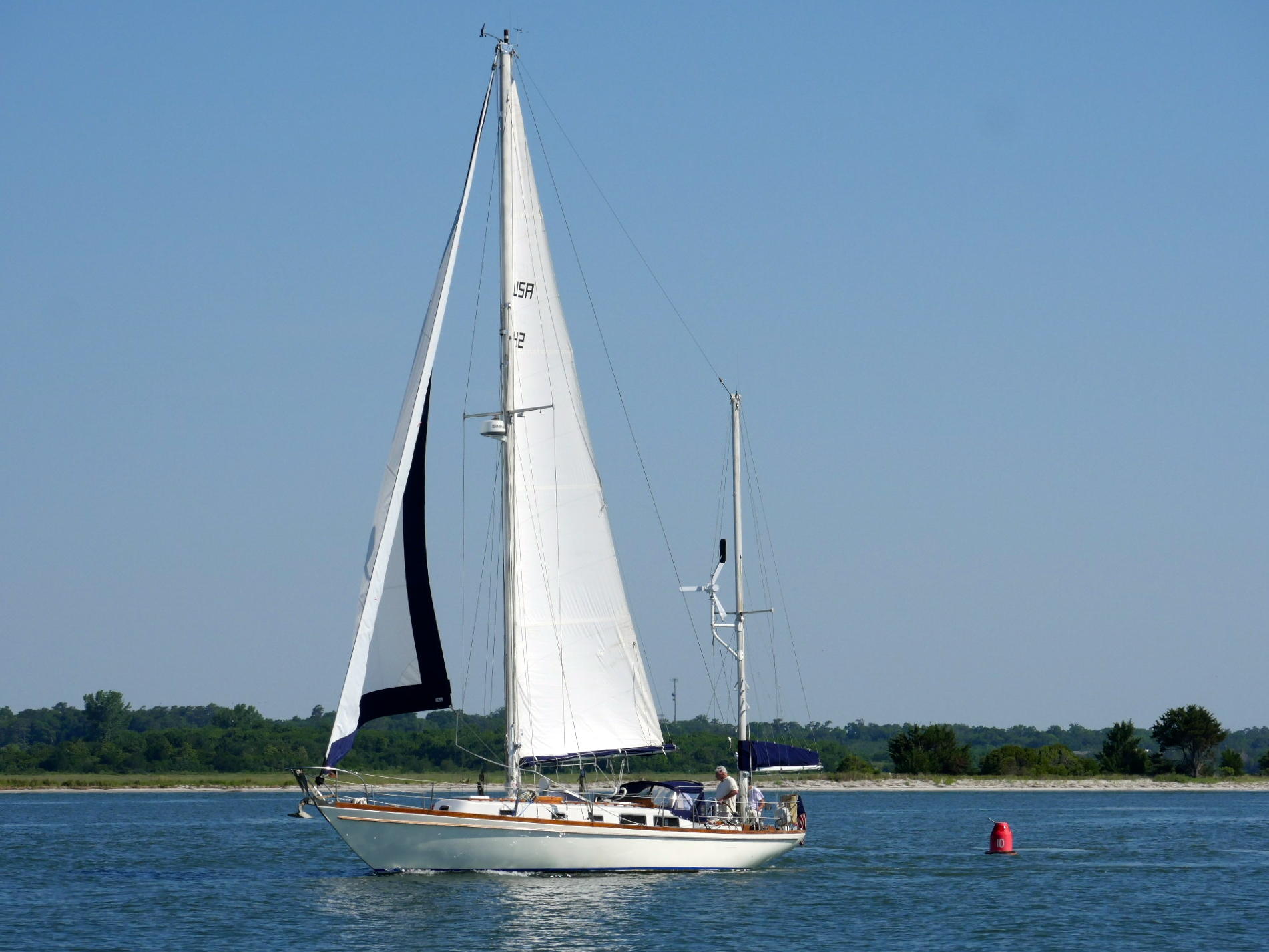
Wrightsville Beach compresses maritime diversity into a narrow strip of sand: protected estuaries, an energized inlet, and open ocean all within a short tack. For sailors it’s a place to practice everything from confident day-sails in steady sea breezes to tactical race work in shifting coastal gusts. This guide focuses on sailing-specific experiences—charters, lessons, regattas, island hops, and overnight passages—while tracing the practical choices that make a trip here smooth, safe, and memorable.

Intracoastal WaterwayCape Fear RiverAtlantic Ocean

Live destination inventory

Top Sailing Trips in Wrightsville Beach

12 trips · Book with confidence · Instant confirmation

The prototype intentionally does not invent replacement trip cards or add images that are not already part of the live source page.

The city from the water

Why Wrightsville Beach Is a Standout Sailing Destination

Wrightsville Beach sits where a layered coastal geography gives sailors options: wide, sheltered sounds for learners and flat-water practice; a busy inlet for tuning heavier-air skills; and the open Atlantic for those seeking longer coastal runs or night passages. The town’s maritime identity is both practical and cultural—fishing piers and yacht clubs sit alongside surf breaks and paddlecraft launches, which means you can build a sailing day around complementary experiences like stand-up paddleboard tours of marsh creeks, beachside surf classes, or a picnic on Masonboro Island. The wind here is reliable enough to draw weekend racers and weekday learners alike. Sea breezes develop predictably through spring and summer as land warms, typically setting up a steady onshore flow in the afternoons that’s ideal for close-hauled practice and reaching angles. Offshore frontal passages in spring and fall can present more wind and current interaction, offering a training ground for sailors who want to refine sail trim, boat handling, and navigating tidal flows near inlets. Because the water transitions quickly from shallow estuaries to deeper channels, tide awareness is as important as wind awareness—entering or exiting the Masonboro or Wrightsville inlets demands attention to current forecasts and local traffic. Historically, the Cape Fear region has been a working and recreational waterway—shipbuilding, ferry routes, and commercial fishing all shaped the coastline. That mix remains visible: commercial vessels and sport boats share channels, while volunteer-run sailing schools and community regattas keep local seamanship skills alive. Environmentally, Wrightsville’s marshes and barrier islands are vital habitat; many sailing operators emphasize low-impact itineraries and teach basic stewardship—how to anchor without damaging seagrass, how to minimize wake, and why respecting bird-nesting seasons matters. The combination of practical learning spaces, a convivial sailing community, and easy access to offshore stretches means Wrightsville Beach feels like a compact cruising ground where a single day can include hands-on instruction, coastal exploration, and a sunset jibe back under sail. For planners, the town’s small scale is a plus: marinas, launch ramps, sail schools, and charter bases are close to each other, reducing transit time and making same-day outfit changes realistic. That compactness also concentrates support services—rigging shops, weather briefers, and experienced captains—so you can customize an experience from hourly lessons to multi-day island hops without long logistics chains. Whether you’re new to the tiller or tuning race crew work, Wrightsville offers layered learning opportunities that scale with ambition and time.

The variety of on-water conditions is the draw: protected harbor drills, tidal-current practice near the inlet, and quick access to open-ocean reaches for passage training or coastal cruising.

Community regattas, approachable yacht clubs, and several reputable sailing schools make it easy to find instruction, boat rental, or an experienced crew to join—ideal for travelers looking to jump into local sailing culture.
Activity focus

Choose by purpose

Whale watching, snorkeling, sunset sailing, cultural canoeing, harbor sightseeing, or private chartering.

Departure hubs

Start near the city

Waikiki and Honolulu Harbor are primary hubs, with some trips launching near Hanauma Bay.

Accessibility

Confirm the vessel

Gangways, shaded seating, and boarding requirements vary according to vessel size and operator.

Seasonal planning

Best Time to Visit

Wrightsville Beach is warm year-round, but wind, swell, migration, visibility, and demand change the best match between traveler and trip.

Wrightsville Beach boat tour
Year-round destination

Seasonal highlights change the reason to go

Winter favors humpback encounters; warmer, calmer months favor snorkeling visibility and smoother water.

Humpback season

May–September for recreational sailing, charters, and regattas.

Prime whale watching, winter holidays, higher demand, and earlier sell-outs.

Snorkeling window

March–April–May–June–September–October

Typically gentler seas and clearer water for snorkeling trips.

Weather notes

Trade winds year-round

Spring and early summer offer steady sea breezes and milder water temperatures; summer brings predictable afternoon onshore winds and warmer water but also increased boat traffic and occasional thunderstorms. Hurricane season runs June–November—plan with flexible booking and check forecasts during late summer and fall.

Quieter opportunities

Late spring & summer weekdays

Late fall and winter can be quieter for lessons and private coaching with cooler temps and brisker winds—good for skill-focused trips but expect fewer charter options and shorter daylight hours.

Match the trip to your comfort

Choose Your Experience Level

Low effort

Beginner

Introductory lessons and sheltered day-sails focused on learning helm basics, points of sail, and safety routines in calm estuaries.

  • 2–4 hour learn-to-sail lesson in the Intracoastal Waterway
  • Guided harbor sail around Masonboro Sound
  • Introductory keelboat handling session
Active day trip

Intermediate

Half-day to full-day coastal sails, practice in tidal areas, and participation in local club races—skills include sail trim, tacking under pressure, and basic navigation.

  • Full-day coastal sail to Masonboro Island with beach stop
  • Tidal-current handling practice near Wrightsville Inlet
  • Crewed day charter with sail-handling drills
Longer or technical

Advanced

Passage planning, night-sailing, and offshore runs requiring advanced navigation, weather-routing knowledge, and seamanship in variable coastal conditions.

  • Overnight passage toward Cape Fear or southward coastal hops
  • Race crew training in a local regatta
  • Offshore coastal sail with navigation-focused objectives

Prepare for sun, spray, and swell

What to Bring

Essential

Core kit

  • USCG-approved life jacket (PFD) or provided by operator
  • Sunscreen and sun-protective clothing (hat with a strap recommended)
  • Non-slip deck shoes or closed-toe boat shoes
  • Light waterproof jacket or foul weather layer
  • Reusable water bottle and seasickness remedies if prone
Recommended

Useful extras

  • Sunglasses with retainer cord
  • Small dry bag for phone and documents
  • Layered clothing for changing coastal conditions
  • Handheld VHF or know how to use the charter’s radio
  • Waterproof trail map or electronic chart app with local charts
Optional

Trip-specific

  • Light gloves for short tacks and handling sheets
  • Camera with waterproof case
  • Binoculars for spotting navigational aids and wildlife
  • Small first-aid kit
Check tide and current tables, review local inlet conditions, and confirm charter insurance and experience requirements before heading out.

Insider Tips & Local Knowledge

Reserve whale-watching and popular sunset cruises well ahead during December–April.
Choose morning snorkeling departures for calmer seas and better underwater visibility.
For motion sensitivity, choose a larger vessel, sit mid-ship, and take preventative medication before boarding.
Do not touch coral or wildlife, avoid standing on reefs, and use reef-safe sunscreen.
Community-based operators may add context about traditional navigation and stewardship.
Arrive early for parking and check-in because Waikiki departure areas can be busy.

Planning questions

Frequently Asked Questions

Requirements vary by operator. Many charters require proof of experience for bareboat rentals but offer skippered options if you don’t have credentials. Always check the charter’s policy before booking.
Top 12 Sailing Adventures in Wrightsville Beach, North Carolina
Ready for your sailing adventure?

Browse 12 verified trips in Wrightsville Beach.

Compare current availability and book with instant confirmation.

Explore Wrightsville Beach sailing