NEW ORLEANS HISTORY TOUR FIELD GUIDE
Walk the Crescent City’s Memory: A French Quarter History Tour
A 1.5-hour walking tour of the French Quarter led by multigenerational local guides, pairing ancestral recollections with the neighbourhood’s cultural milestones.
Walk the Crescent City’s Memory: A French Quarter History Tour.
Discover the layered history of New Orleans’ French Quarter on a guided 1.5-hour walk led by local storytellers whose families have lived in the city for generations. The route folds personal recollections into the larger arcs of jazz, Mardi Gras, local cuisine, and the Quarter’s recurrent battles with floods and hurricanes, while touching on singular local stories such as America’s first cocktail and the neighbourhood’s colorful past.
Highlights
Outing Highlights
Multigenerational Local Guides
Guides with deep family roots in New Orleans lead the walk and weave ancestral and firsthand stories through the Quarter’s streets, giving context to the city’s cultural touchstones.
Origins of Jazz, Mardi Gras and Local Cuisine
The tour examines the cultural origins of jazz, the beginnings of Mardi Gras parades, and the development of New Orleans’ distinctive foodways to provide a concise cultural primer on the Crescent City.
Neighborhood Lore and Singular Stories
Alongside broad cultural history, expect vivid local anecdotes—stories about America’s first cocktail and the French Quarter’s colorful past—that illuminate social life across eras.
What the day feels like
What It Feels Like
You meet a local guide and step out into the Quarter for a focused, 1.5-hour walk that moves from public squares to narrow streets, stopping at landmark sites while guides layer family memories and civic history into the architecture and urban fabric.
Suitability
Who it's for
Who gets the most from this walk and who should exercise caution.
Practical planner
Details to review before reserving
The experience is a 1.5-hour walking tour.
The tour departs from 768 Decatur St; check-in is required at the meeting location before the walk begins.
Expect uneven terrain along the route; the tour may not be suitable for guests with mobility limitations.
Review cancellation policies before reserving.
Frequently asked questions
Planning Your Outing
How long is the French Quarter History Tour?
The tour lasts approximately 1.5 hours.
Where do we meet the guide?
The meeting location is 768 Decatur St.
What will we see on the route?
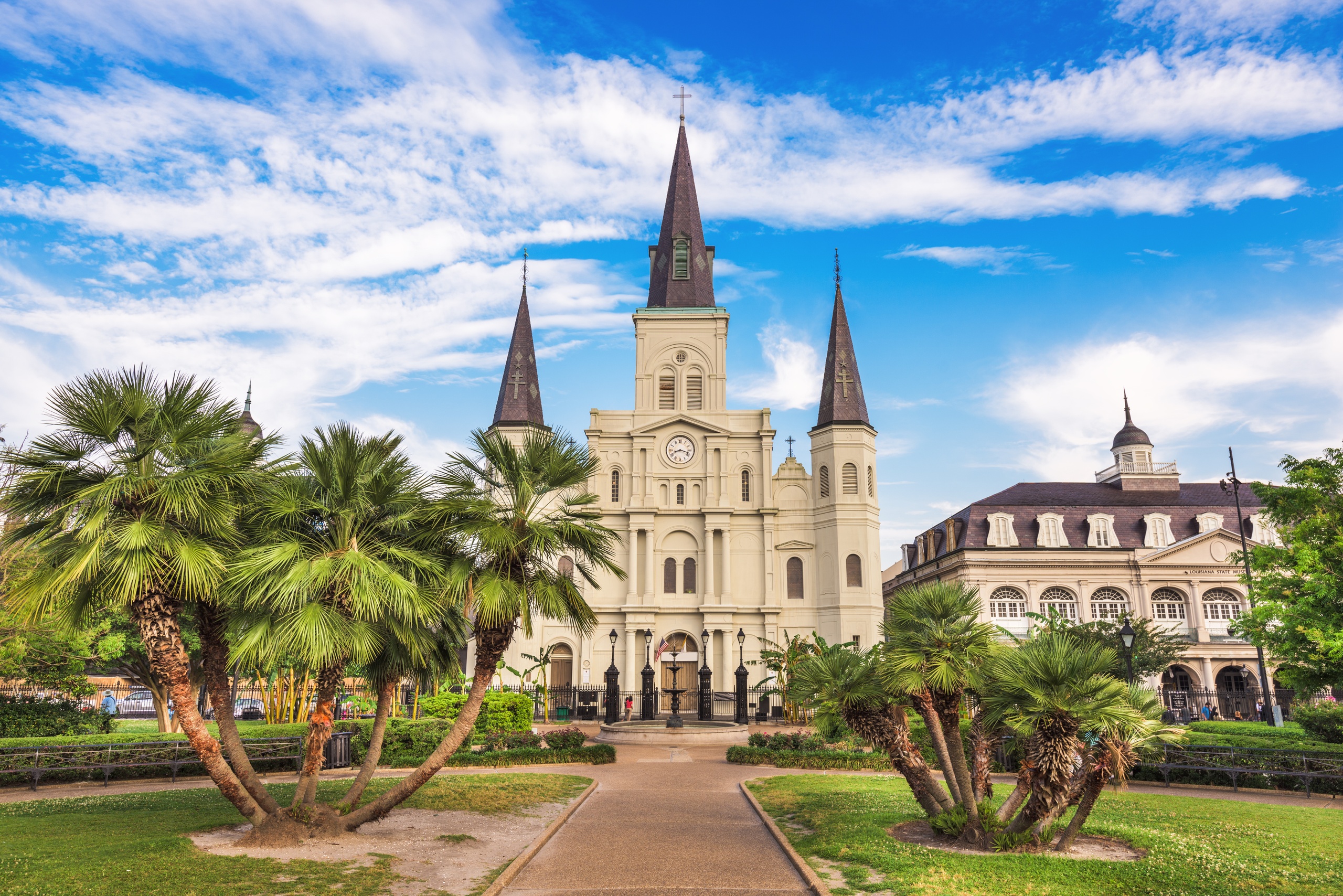
Stops include Jackson Square (the original execution ground), St. Louis Cathedral and adjacent historic buildings, the French Market, three surviving 1700s French buildings, and Royal Street galleries and boutiques.
Who leads the tour?
Local guides with deep family roots in New Orleans lead the tour, sharing ancestral and firsthand stories.
Is the tour suitable for guests with mobility limitations?
The uneven terrain might not be suitable for the mobility impaired.
What cultural topics does the tour cover?
The tour covers the cultural origins of jazz, the beginnings of Mardi Gras parades, the development of local cuisine, and notable local stories such as America’s first cocktail and other neighborhood lore.