Above the Fjord: Chasing Views and History at Skagway Overlook

Above the Fjord: Chasing Views and History at Skagway Overlook

A compact Alaskan adventure where e-bikes, fjords and Gold Rush history meet at a cliff-side viewpoint.

Continue Reading

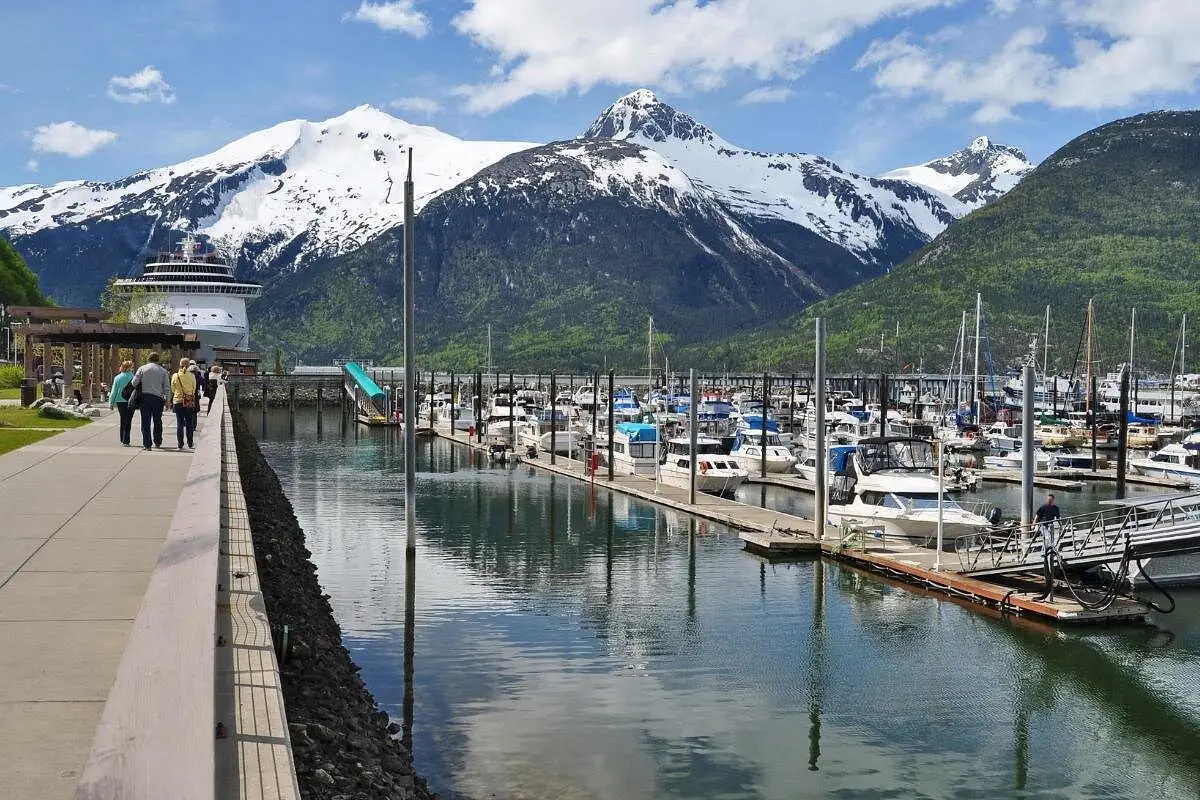
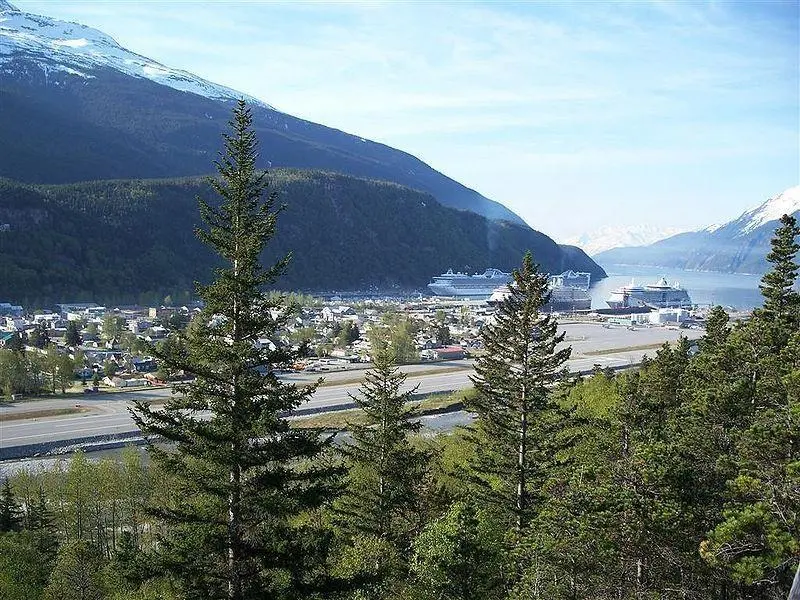
The road out of Skagway peels away from Broadway’s painted storefronts and the whisper of tourists, and the town shrinks quickly into a pocket of roofs beneath spruce and Sitka alder. In late morning light the mountainsward slope above town hums with wind and cedar resin—an immediate, tactile contrast to the salt-cold tang of Taiya Inlet. From the Skagway Overlook, the town is a dusty postcard; the inlet threads away like a black ribbon into the teeth of the Coast Mountains. When you reach that viewpoint—by e-bike, by bus, or on a crisp hike—the scene feels like a reckoning: sea, glacier-fed rivers, and an arcing range that once swallowed human ambition whole.

Skagway Overlook is a short, concentrated immersion in Alaska’s coastal geology and human drama. The granite ridgelines here were carved by ice and time; valleys once dense with glaciers now funnel rain and meltwater into the Lynn Canal, the longest and deepest fjord in North America. From the lookout you can trace braided streams, avalanche gullies, and the faint scar of the White Pass Trail—an artery through which hopeful stampeders once lugged their gear to the Klondike. The land keeps its own history in switchbacks and talus, and the town below keeps human stories in its brick-and-timber facades.

There are as many ways to get to the view as there are travelers. Local operators combine the Skagway Overlook into three fitting experiences: a self-guided Skagway Trail and Sail where electric bicycles take you past waterfalls, the Gold Rush Cemetery and Nakhu Bay before you board a 50-foot sloop for a charcuterie-accented sail up the fjord; a guided E-bike Highlights tour that pairs effortless pedaling with on-point history and a gold-panning stop; and the classic City and Summit bus tour that climbs more than 3,500 feet to the White Pass summit, stopping at Bridal Veil Falls, Tormented Valley and iconic viewpoints along the way.

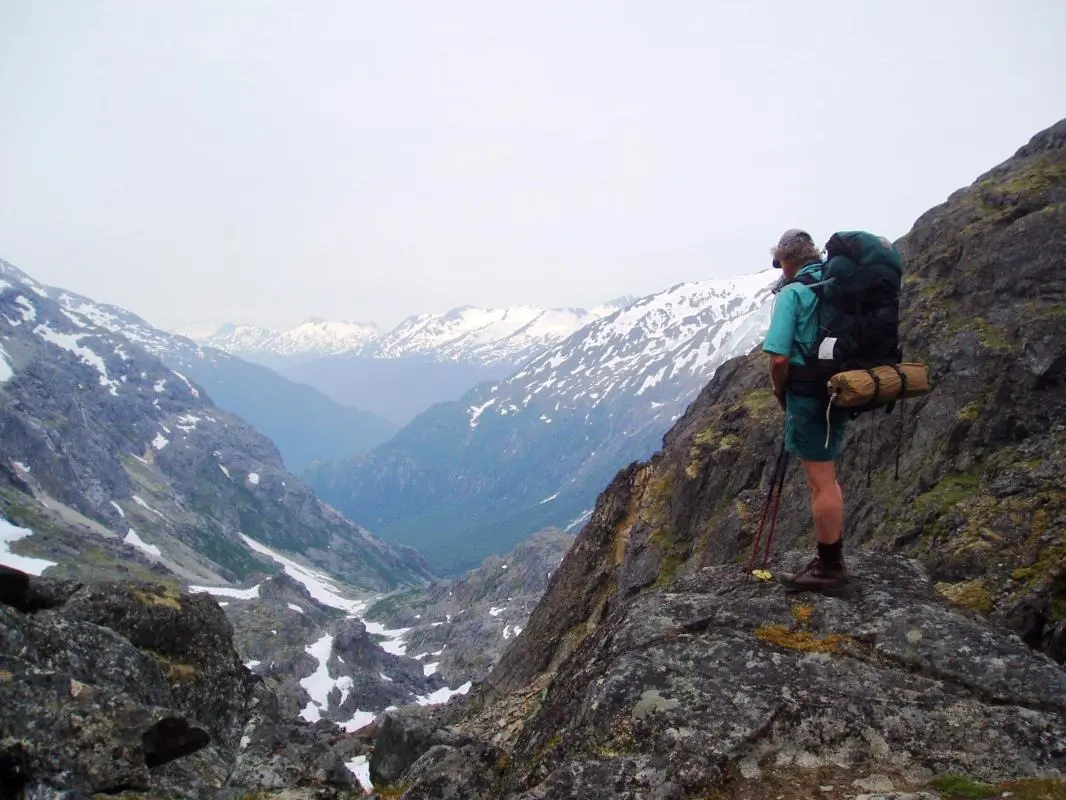
Practical terrain note: the immediate trails and roads to the Overlook are short but steep—expect mixed paved and gravel surfaces with 400–800 feet of climbing if you approach by bike or on foot, and roughly 6–12 miles of riding for the combined e-bike itineraries that loop through Skagway’s sights. The bus route covers far greater vertical distance, with long stretches of switchbacks and alpine weather that can swing from sun to sleet within an hour.

Culturally, Skagway is layered. The town exploded into existence in 1897 as the gateway for stampeders bound for the Klondike goldfields; Broadway preserves that feverish architecture and storefront bravado. Beneath and beyond that, the Tlingit people have stewarded these coasts for millennia—look for place names and guide narratives that nod to their presence and the fishing and trade routes that predate the rush. Today’s operators lean into low-impact experiences: e-bikes for quiet, small-boat sails for closer wildlife encounters, and guided walks that prioritize story and stewardship.

If you go, time your visit for early morning or late afternoon light. Midday can be seductive but crowded: day-trip cruise traffic can swell the waterfront and town center. On the e-bike-sail combo, the reward is spatial variety—pedal through human-scale history then glide past hanging glaciers and waterfalls on a wooden deck, charcuterie in hand, with the possibility of eagles, seals or whales riding the fjord’s currents.

Logistics to plan: layers are everything. The coastal mountains create microclimates; a calm sunny morning can flip to wind-driven drizzle by summit. Footwear should handle gravel and slick wooden boardwalks; for e-biking, gloves and a wind shell are vital. Bring binoculars and a wildlife guide—Lynn Canal is active: humpback and orca sightings are possible in season, and bald eagles patrol the shoreline.

Safety and etiquette matter here. Wildlife sightings are thrilling but keep distance; marine mammals and shore birds need space to feed and rest. Stick to designated trails, carry out your trash, and choose operators that use small vessels and electric bikes to minimize noise and emissions.

For anyone who loves compact adventures that stitch landscape and history together—Skagway Overlook delivers. Whether you arrive by pedal, bus or sloop, the place rewards attention: the geology is unapologetic, the human stories are up-close, and the views are honest. You come for a view and leave with a clearer sense of why this thin coastal seam between mountain and sea mattered to so many people—then and now.

Quick practical primers: expect short hikes or rides of modest length but notable grade; pack a windproof layer, rain protection and shoes with grip; consider booking the combined e-bike-and-sail option for the clearest taste of everything—upland history and fjord wilderness—in one efficient day. The Overlook is small in footprint and large in effect: a place that asks you to pause, look back at the town, then out into the fjord and wonder which frontier you came for.

Duration2–6 hours (depending on combo tour)
Plan your visit

Trail Wisdom

Layer for alpine microclimates

Bring a waterproof wind shell and a warm midlayer—weather can change rapidly between the town and the overlook or summit.

Charge the e-bike

If you choose an e-bike tour, confirm battery range and plan for a 6–12 mile route with mixed surfaces.

Give wildlife space

Use binoculars to watch eagles, seals and whales from a distance—do not approach wildlife on shore or by boat.

Time your viewpoint visit

Aim for early morning or late afternoon light to avoid cruise-ship crowds and get softer, more dramatic views.

Local Knowledge

Hidden Gems

  • Nakhu Bay: a calm inlet reachable on the e-bike route with intimate shoreline views
  • Gold Rush Cemetery: quiet, evocative spot with direct ties to Skagway's Klondike history

Wildlife

Bald eagle, Harbor seal

Conservation Note

Local operators favor low-impact experiences—e-bikes and small-boat sails—to reduce noise and fuel use; visitors are encouraged to practice 'leave no trace' on trails and shorelines.

Skagway was the primary gateway for stampeders during the 1897–98 Klondike Gold Rush; the White Pass Trail and Broadway’s architecture still tell that story.

Seasonal Guide

spring

Best for:Wildflowers emerging, Fewer tourists, Early-season wildlife viewing
Challenges:Unpredictable weather, Snow at higher elevations, Limited boat service early season

Spring offers fewer crowds and the first flush of green, but expect variable conditions—pack warm, waterproof layers.

summer

Best for:E-bike and sail combos, Calmer sea conditions, Peak wildlife activity
Challenges:Cruise-ship crowds, Limited last-minute bookings, Expect busier trails

Summer is peak season: long daylight, reliable operator schedules, and the best chance of calm fjord sailing.

fall

Best for:Autumn colors, Fewer tour groups, Crisp, clear days
Challenges:Cooling temperatures, Shorter daylight, Reduced service schedules

Fall trims the crowds and adds color, but shorter days and cooling temps mean you should plan earlier outings.

winter

Best for:Quiet solitude, Snow-dusted vistas, Aurora potential on clear nights
Challenges:Limited access, Snow and icy trails, Most tours suspended

Winter is remote and scenic but access is limited; only attempt with proper gear and local guidance.

Photographer's Notes

For wide-angle landscape shots, use the overlook at golden hour for layered light on the fjord; include a foreground element (driftwood, cairn or a spruce) to add depth, and switch to a telephoto to isolate eagles or distant waterfalls—use a fast shutter for wildlife and a small aperture (f/8–f/11) for sweeping vistas.

What to Bring

Waterproof wind shell

Essential

Protects you from sudden coastal showers and wind at the overlook and summit.

Sturdy trail shoes

Essential

Grip for gravel roads, wet boardwalks and short steep sections near the viewpoint.

○

Binoculars

Essential for scanning the inlet for whales, seals and feeding eagles from the overlook or boat.

Small daypack with hydration

Essential

Carries layers, water and snacks for a combined e-bike and sail itinerary.

Common Questions

How do I get to Skagway Overlook?

You can reach the overlook by booking a local e-bike tour, taking the City and Summit bus tour, or hiking/short drive via local roads; combined e-bike-and-sail tours also visit the viewpoint as part of a loop.

Are e-bikes difficult to ride here?

No—guided or self-guided e-bikes assist climbs; basic bike handling is helpful, and operators provide safety briefings and helmets.

Can I see wildlife from the Overlook?

Yes—eagles and shorebirds are common; whales and seals are best seen from the water on fjord sails rather than from the high viewpoint.

Is the overlook accessible in winter?

Winter access is limited and trails can be icy; most commercial tours operate seasonally—check operator schedules and local advisories.

How long should I plan for combined e-bike and sail tours?

Expect a half-day experience, typically 3–5 hours depending on stops, sail distance and boarding logistics at the Small Boat Harbor.

Are there restroom facilities near the overlook?

Basic facilities are available in town; at remote overlooks amenities are limited—use town facilities before heading out on tours.

What to Pack

waterproof shell (storms and wind), layered insulation (temperature swings), sturdy shoes (gravel and slick surfaces), binoculars (wildlife and fjord viewing)

Did You Know

Skagway served as the primary access point for prospectors during the Klondike Gold Rush of 1897–98, and nearby Lynn Canal is the longest and deepest fjord in North America.

Quick Travel Tips

1) Book e-bike and sail combos early in summer; 2) Carry cash for small vendors though most accept cards; 3) Reserve shore excursions if arriving by cruise ship; 4) Check weather before summit tours—conditions change quickly.

Local Flavor

Skagway’s Broadway hums with Gold Rush-era saloons and museums; locally caught salmon and halibut feature on many menus, and Tlingit cultural tours offer deeper context about indigenous ties to the land and sea.

Logistics Snapshot

Duration: 2–5 hours; Access: walk, e-bike, bus, or small-boat; Best time: July–August; Booking: reserve e-bike/sail combos in advance; Fitness: moderate for biking, easy for bus tours.

Sustainability Note

Choose small-boat operators and e-bike companies to reduce noise and emissions, stick to established trails, and avoid approaching wildlife—these steps minimize visitor impact on fragile coastal ecosystems.

Topics