Time Thunder Hole Right
For the best boom, arrive around mid-tide on a day with some swell. Your guide can help target the window.
Cadillac sunrises, surf-lashed cliffs, and lobster for lunch—without the logistics headache.
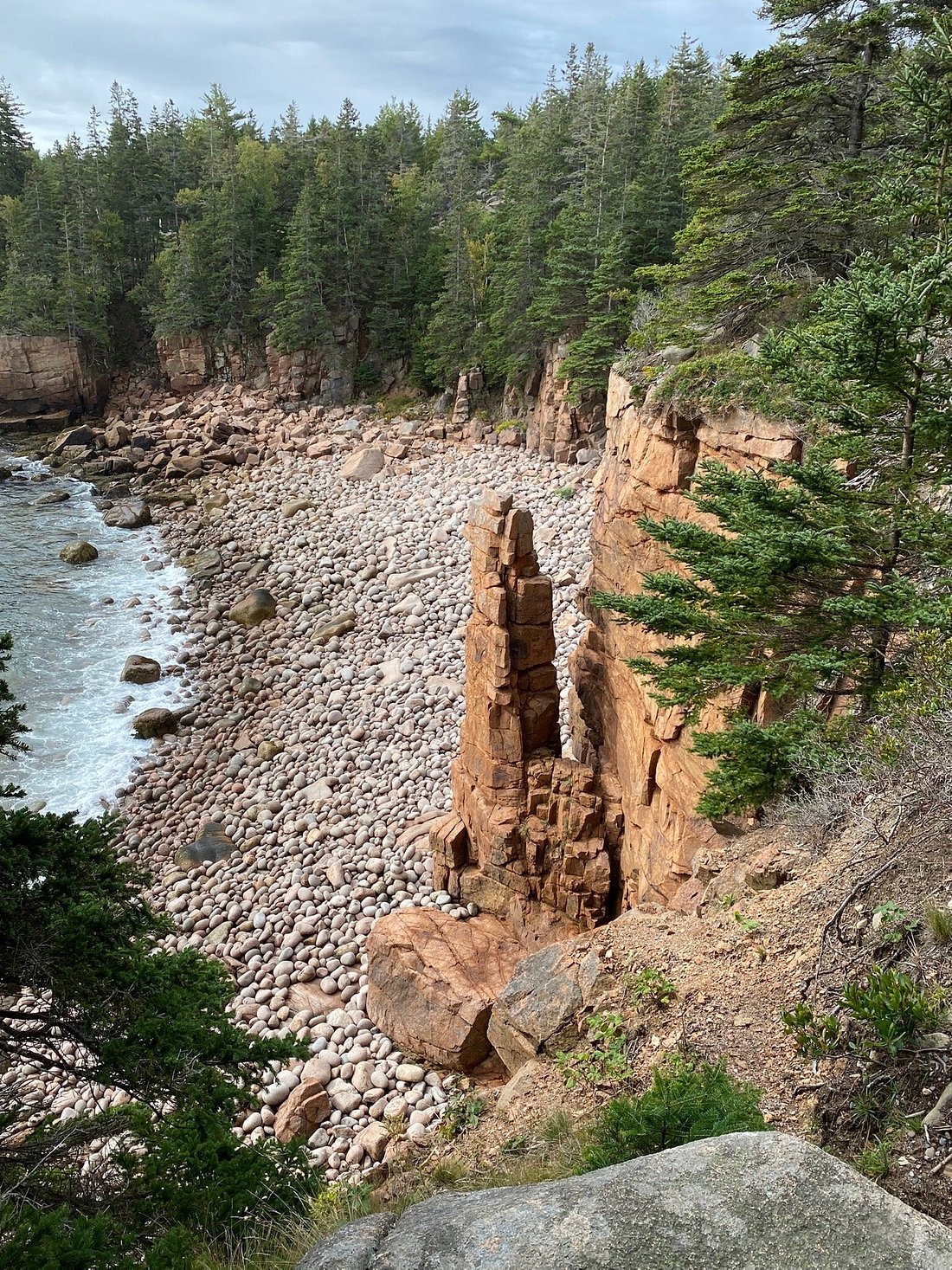
Continue ReadingMorning in Bar Harbor starts with a hush. The tide breathes in and out against pink granite, gulls negotiate the air above the docks, and the first light slips across Frenchman Bay like it’s testing the day. You climb into a comfortable vehicle and set off along the Park Loop Road—27 miles of coast-hugging, forest-threading tarmac that feels purpose-built for discovery. Within minutes, Acadia begins to reveal its character: forests knit tight with spruce and fir, coves polished by relentless surf, and stone bridges that wear their history openly. The road curves, and you begin to rise. Cadillac Mountain makes itself known not with drama, but with presence. At 1,530 feet, it’s the highest point on the U.S. Atlantic coast, and its broad, scoured summit turns the sky into a panorama. The wind nudges you forward; even on clear days, it’s a reminder that weather calls the shots here. On this six-hour circuit, you’ll stand where granite meets sea, where lichen paints the rocks, and where the island’s human story continues to unfold. The driver-guides who run the <a href="https://app.advcollective.com/local-experts/6-hour-the-ultimate-acadia-and-mount-desert-island-tour">Acadia National Park tour</a> know when to linger and when to move, turning the day into an easy-flowing conversation with the landscape. From the summit, the layout of Mount Desert Island clicks into place: Porcupine Islands scattered like stepping stones, cruise ships anchored like patient whales, Jordan Pond tucked inland under the sculpted Bubbles. Cadillac’s granite shoulders were shaped by ice—Pleistocene glaciers carved U-shaped valleys and gouged kettle ponds, then retreated and left a coastline jagged and photogenic. The mountains here are old; they wear time well. Back down on the Park Loop, the Atlantic takes the microphone. Sand Beach arrives first, a crescent of crushed-shell sand hemmed by cliffs. The water invites and dares—summer temps hover in the 50s. Farther along, Thunder Hole clears its throat. When wind and tide align, the ocean rams a narrow inlet and the rock answers with a percussive boom. It’s Acadia showing you its lungs. Plan to visit during a mid-rising tide; your guide can read the swell like a schedule. Otter Cliffs stand guard up the road, a dark wall where waves test their reach and climbers test their nerve. On calmer days, the ocean idles; on others, it pushes hard, reminding you who set the terms here. Inland, the pace softens. At Sieur de Monts, a boardwalk threads a bog where tamaracks and moss knit a miniature world. The Wild Gardens of Acadia distill the park’s plant communities into walkable vignettes. The park’s carriage roads—granite-block bordered and masterfully graded—bear the signature of philanthropist John D. Rockefeller Jr., whose vision of auto-free ways curves through the interior like a thoughtful promise. The cultural rhythm of the island is part of the draw. After the coastal icons, the tour steps into village life: Northeast Harbor’s tidy marina, Seal Harbor’s quiet elegance, Somesville—the island’s oldest settlement—where a white arched bridge frames a postcard scene. The mansions of the "Summer People" peer out from behind hedges; in places like Asticou Garden, design and landscape meet with a steady hand. This Japanese-inspired sanctuary leans into restraint: moss lawns that drink the fog, granite steps that lead without fanfare, azaleas that flare and then fade. The day’s most grounded moment might be at a lobster pound in Southwest Harbor. Boats nose up to the dock and the working side of the island takes the stage. Traps clatter, ropes coil, and the Gulf of Maine’s cold, current-rich waters do their quiet labor out of sight. You can watch lobsters offloaded, sorted, and weighed, then lean into lunch: steamed, buttered, and briny. When seasonal lobster pounds close around Columbus Day, other local spots keep the story going—still ocean-to-table, still honest. The western side of the park is less trafficked, which suits it. Seawall spreads a ragged quilt of stone along the shoreline; here the tide speaks plainly, and the air smells like salt and spruce. It’s a good place to walk slow and let the island stretch. Acadia’s geology does its own storytelling: compressed volcanic ash (ignimbrite) and granite intrusions form the backbone of Mount Desert Island, and glaciation chiseled the rest. Look closely and you’ll see striations in bedrock, a glacial signature like a forwarding address. The park’s history is equally layered—Wabanaki people have moved through this coast for millennia, navigating by stars and seasons; 19th-century rusticators came seeking clean air and coastal drama; preservationists kept it from becoming just another gilded playground. Pragmatics keep this beautiful circuit doable. The <a href="https://app.advcollective.com/local-experts/6-hour-the-ultimate-acadia-and-mount-desert-island-tour">Cadillac Mountain and Park Loop Road tour</a> removes guesswork, and the flexible pacing lets you choose your moments—lingering at overlooks, walking the beach, or trading the crowd for a quiet garden. Summer brings sea breezes and traffic; fall brings color and a calmer cadence. Spring can be muddy, but the island feels like it’s waking up. Winter trims access—sections of the Park Loop close to vehicles—yet the place never really rests. When you roll back into Bar Harbor, the town shakes your hand—ice cream churned nearby, a local pint, a stroll along the Shore Path. The ocean lifts and lowers the harbor as if to say: come back when the fog writes a different story. Ready to set your own pace through Acadia? Book the <a href="https://app.advcollective.com/local-experts/6-hour-the-ultimate-acadia-and-mount-desert-island-tour">Ultimate Acadia and Mount Desert Island tour</a> and let the island do the talking while you watch, walk, and eat well.
For the best boom, arrive around mid-tide on a day with some swell. Your guide can help target the window.
Even in summer, coastal wind on Cadillac can bite. Pack a light insulating layer and a windproof shell.
Wet rock near the surf is slick and unpredictable. Keep a respectful distance from edges and obey posted barriers.
Some lobster pounds close after Columbus Day and parts of Park Loop Road close in winter; ask your guide for seasonal alternates.
Harbor seals, Bald eagles
Stay on durable granite and marked paths to protect fragile lichen and alpine vegetation. Don’t stack rocks—cairns are part of Acadia’s historic trail system and altering them can mislead hikers.
Cool temps and fewer crowds. Expect variable weather—clear one hour, foggy the next.
Peak season with classic coastal weather. Start early for Cadillac and book any timed entries ahead.
September–October is prime: vivid maples and steady conditions. Lobster pounds may close by mid-October.
Expect partial closures of Park Loop and Cadillac access. Tours may modify routes; traction aids are helpful.
Go early for Cadillac’s side light; bring a polarizer to tame glare over Frenchman Bay. At Thunder Hole, use a faster shutter to freeze spray or a 3-stop ND to blur motion. Fog is your friend—expose for highlights and let the mist simplify the scene. Keep a microfiber cloth handy for salt spray.
Fog and sea breeze can turn to drizzle quickly; stay dry and comfortable at overlooks.
Traction helps on wet granite near Sand Beach, Thunder Hole, and Seawall.
A light fleece or puffy keeps coastal wind from cutting the day short.
Cuts glare on Frenchman Bay and sharpens colors in midday sun.