Along Central Park West: A Morning at The New York Historical and the Upper West Side Walk

A museum and a stroll that reveal Manhattan’s quieter history

Continue Reading

You step off the subway at 81st Street and the city exhales into green. The avenue opens—wide, tree‑lined, a sweep of limestone and brick that knows how to keep secrets. On your left, Central Park unfurls a mosaic of lawns and paths; on your right, the prewar facades of San Remo and Beresford stand like chapters in a well‑worn book. Between them sits The New York Historical—quiet in a way that feels intentional, a repository of the city’s long, often scrappy, story.

Inside, it’s the kind of place that slows you down. Rooms are curated less for spectacle than for context: portraits that watched generations grow, manuscripts that trace dispute and ambition, objects that make the abstract specific. The galleries let you move through New York’s past in human steps—immigration and industry, protest and pageantry—each exhibit a short walk from the next. For travelers, the payoff is immediate. Where skyscrapers outside insist on being seen, this museum asks you to listen.

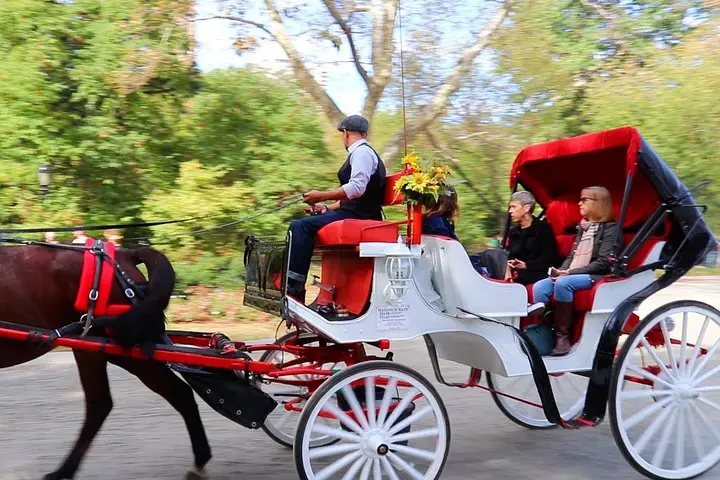
The museum’s address—170 Central Park West—makes it a natural anchor for exploring the Upper West Side. This is neighborhood travel at its best: a walk that blends architecture, culture, and the kind of daily life that still feels lived in. Guided walks and tours—like the Introduction to Central Park West Tour—turn that walk into a narrative, a mile of stories from Columbus Circle up to the American Museum of Natural History. If you prefer propulsion to pace, the pedicab tour offers two hours of highlights with a driver who knows not only the best photo angles but the anecdotes that make them matter.

There’s an orchestration between green and stone here. Central Park’s northern plane trees shelter joggers and chess players alike; the park’s pathways nudge you toward Bow Bridge or Bethesda Terrace, places that, for a moment, make New York feel like a small city. Step off the main drag and the Upper West Side rewards. Quiet brownstones and neighborhood institutions—bookshops, deli counters, and the celebrated Jewish food emporium Zabar’s—remind you that this borough is as much about the everyday as it is about monuments.

A deeper context matters. The New‑York Historical Society, founded in 1804, is one of the nation’s oldest historical organizations and has long been a steward of New York’s documentary and material heritage—an anchor when the city’s skyline keeps reinventing itself. The street itself is geology of a different sort—the city’s history written in masonry and memory rather than stone strata: Gilded Age wealth, midcentury change, waves of cultural reinvention. That palimpsest is why walking here feels layered; you touch different eras with each block.

Practically, this stretch of Manhattan is accessible and forgiving. Most visitors will build a half‑day around the Historical Society and a walk or guided tour. If you’re short on time or traveling with family, a two‑hour pedicab trip is an efficient way to see the park and façade highlights without committing to miles of pavement. For those who like to move at their own pace but still want a game element, the Upper West Side scavenger hunt turns the neighborhood into a series of small discoveries across roughly three hours.

Timing matters. Weekday mornings—before school runs and rush hours pick up—are pure: light slanting through the trees, museum galleries less crowded, and a sense that the city is still waking. Late afternoons lend themselves to architectural glow; the west‑facing facades rumble with warm light that photographers prize. If you’re using an attraction pass (the Go City New York Explorer Pass or the New York Pass), book museum entry around off‑peak hours and reserve timed entry to the most popular neighboring sites to avoid lines.

Footwear matters, too. The walks are mostly flat but unpaved paths and cobblestones at certain intersections mean stable shoes are a comfort. Bring a light layer—the avenue catches wind differently than the park—and a compact umbrella if you’re traveling shoulder season. Hydration is easy: local cafés and delis are ubiquitous, but a refillable bottle saves time and waste.

If you want to make the day sing: start with the New‑York Historical galleries, then take a guided Central Park West walk to hear the stories about the buildings you just passed. From there, consider a pedicab spin through the park’s scenic nodes; save the scavenger hunt for a return visit if you want something playful and self‑directed. And if you’re intent on seeing multiple attractions across the city, an Explorer or New York Pass can be a practical savings play—just be strategic about timed entries and travel distance between sites.

Practical takeaways: allow two to four hours for a meaningful museum visit; add another one to three hours for walks, tours, or pedicab rides. The neighborhood is transit‑friendly—B and C trains at 81st Street or multiple bus lines—but it’s also a place best explored on foot, where small discoveries—a carved lintel, an old plaque, a shop window—reward slow movement.

Why go? Because this corner of Manhattan offers a rare combination: a first‑rate museum that gives the city context, and a neighborhood that invites unhurried discovery. The New York Historical is a place that deepens your sense of the city; Central Park West is the avenue that lets you live that history at street level. For travelers who want their city with texture—history interleaved with daily life, architecture with parks—this is a morning well spent.
Duration2–4 hours (museum + short walk) up to 5–6 hours for combined tours
Plan your visit

Trail Wisdom

Buy timed tickets or use a pass

Reserve entry time for The New‑York Historical or use a Go City/New York Pass to skip lines—weekday mornings are least crowded.

Wear stable walking shoes

Streets are mostly flat but include cobbles and park trails; shoes with good support make a long walk enjoyable.

Hydrate and pack a compact layer

The park and avenue can have different microclimates; a lightweight jacket and refillable water bottle keep you comfortable.

Use public transit where possible

Take the B/C to 81st Street and walk—parking is limited and walking connects more sights than driving.

Local Knowledge

Hidden Gems

  • The small sculpture garden behind the Historical Society (seasonal)
  • Side streets around West 80s with intact prewar stoops and carved lintels

Wildlife

Eastern gray squirrel, a variety of songbirds in Central Park such as robins and sparrows

Conservation Note

The neighborhood benefits from active local preservation efforts and the museum participates in conservation and archival best practices to care for artifacts and reduce environmental impact.

Founded in 1804, The New‑York Historical Society is one of the United States’ oldest historical organizations and has long collected documents and objects central to New York’s story.

Seasonal Guide

spring

Best for:blooming trees, comfortable walking temperatures, less crowded mornings
Challenges:sporadic showers, pollen for allergy sufferers

Spring offers mild days and flowering trees that make Central Park especially scenic—pack a light rain jacket and allergy meds if needed.

summer

Best for:long daylight hours, extended outdoor café patios, pedicab tours
Challenges:hot, humid days, larger crowds and longer museum lines

Summer is lively and warm—with more tourists expect busier galleries; start early and use shaded routes through the park.

fall

Best for:autumn foliage, crisp air for long walks, dynamic light for photography
Challenges:cooling temperatures in evenings, peak foliage weekends can be crowded

Fall is ideal for color and light—layer up for cool mornings and evenings and aim for weekdays to avoid peak crowds.

winter

Best for:quiet museum time, clear winter views of architecture, holiday decorations
Challenges:cold winds along the avenue, possible snow or icy sidewalks

Winter brings a quieter neighborhood pace and festive window displays; dress warmly and check transit updates during storms.

Photographer's Notes

Shoot the museum’s façade in late afternoon for golden light on the stone; in the park, use a 35–50mm lens for street portraits and a 24–70mm for architectural frames. For people shots, seek backlit conditions at Bow Bridge and use a low aperture to blur background crowds.

What to Bring

Comfortable walking shoes

Essential

Support and traction for pavement, cobbles, and park paths make the day far more enjoyable.

Refillable water bottle

Essential

Hydration on the go avoids lines at cafés and reduces waste.

Light rain jacket or windbreaker

Essential

Compact protection against showers and chill between indoor stops.

○

Compact camera or phone with extra battery

Capture architectural details and park vistas; extra power keeps you shooting through the day.

Common Questions

How long should I plan for a visit to The New‑York Historical Society?

Plan 1.5–2.5 hours for the main galleries; join a guided talk or special exhibition to extend your visit.

Can I combine The New‑York Historical with Central Park tours?

Yes—many guided Central Park West walks start or end near the museum; pedicab tours and self-guided scavenger hunts are also easy to pair.

Are timed tickets necessary?

Timed tickets are recommended during high season and weekends to avoid lines and ensure museum entry at your preferred time.

Which transit options serve the museum?

Take the B or C subway to 81st Street–Museum of Natural History, or several MTA buses along Central Park West; the area is highly walkable.

Is the Upper West Side safe for solo daytime walking?

Yes—it's a well‑traveled, residential neighborhood frequented by families and tourists during daylight hours; usual street‑smart precautions apply.

Do attraction passes save money here?

If you plan multiple paid attractions—Top of the Rock, observatories, or boat tours—Go City or New York Pass can offer savings; compare your intended sites before buying.

What to Pack

Sturdy walking shoes, refillable water bottle, light rain jacket, power bank—comfort, hydration, weather protection, and camera power.

Did You Know

The New‑York Historical Society was founded in 1804 and is one of the nation’s oldest historical organizations, collecting artifacts that document New York’s cultural and civic life.

Quick Travel Tips

Use the B/C to 81st Street; reserve timed entry for exhibitions; bring cash card for small purchases at delis; start early to avoid crowds.

Local Flavor

The Upper West Side mixes cultured quiet—Lincoln Center and the Historical Society—with neighborhood staples like Zabar’s for smoked fish and bagels; cafés, bookstores, and brownstone stoops make for perfect pause points.

Logistics Snapshot

Where: 170 Central Park West • Nearest subway: B/C to 81st St • Time: 2–4 hours for museum + neighborhood walk • Tickets: timed entry recommended; consider Go City/New York Pass for multi‑site days.

Sustainability Note

Travel here by subway or on foot to reduce emissions; bring a refillable bottle and support local businesses to keep neighborhood economies vibrant and walkable.

Topics