Belay Better: Taking Your Outdoor Climbing Skills Beyond the Gym in San José

Belay Better: Taking Your Outdoor Climbing Skills Beyond the Gym in San José

Sharpen your belay skills and learn real-rock ropecraft in the Central Valley of Costa Rica

Continue Reading

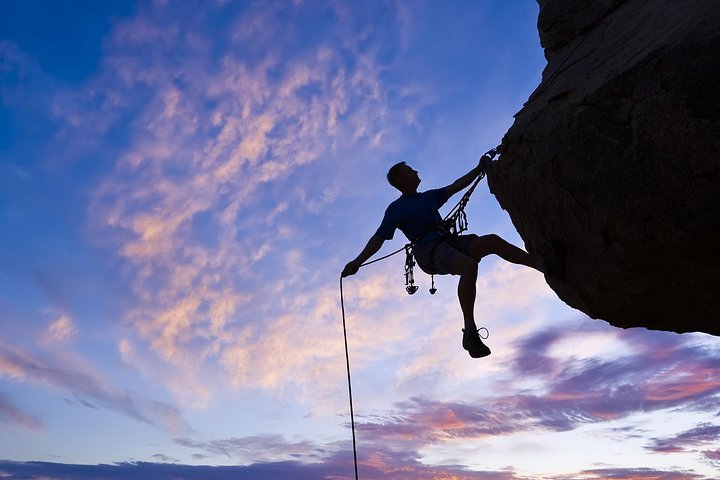
The limestone and volcanic rock near San José take on a voice of their own as you step out of the city heat and into scrubby foothills—the cliffs humming with wind, the canopy below rustling like a crowd waiting its turn. On a Level 2 outdoor rock-climbing clinic you trade the gym’s predictable walls for a living, breathing rock face that rewards patience and precise technique. The day begins with a brisk review: harnesses snug, figure-eight knots checked, shoes tied. Then the instructor points to the crag and says the two words everyone wants to hear: belay school.

This is not a radical leap. It’s the practical, controlled escalation every indoor climber needs to step safely into real rock. Over four hours you’ll revisit familiar fundamentals—body positioning, communication, knot integrity—then layer in skills often overlooked in gyms: long rope management, lowering techniques, and manual belaying nuances that make the difference when the slack is real and the ledge is small.

Why San José? The city sits in Costa Rica’s Central Valley, ringed by volcanic highlands and folded limestone outcrops. The geology is generous to climbers: volcanic ash beds and hardened lava flows alternate with limestone pockets, giving a variety of textures and holds. Culturally, climbing here sits beside two long-standing Costa Rican pastimes: coffee and exploration. Local climbing communities tend to be small and close-knit, and clinics often pair skills with short approaches past coffee farms and fencerows, so the day feels as much like a cultural detour as a technical clinic.

Rock Climbing 2 - Beyond the Basics

The history underfoot is older than modern climbing. The rocks are the memory of tectonic impatience—uplift, erosion, and the slow sculpting of cliffs used today for sport. Indigenous peoples once traveled these valleys and later, Spanish colonial roads threaded the Central Valley. Now climbers tie into ropes along the same slopes while coffee growers harvest in the shade below. There’s a quiet lineage in that: human movement across the landscape reshaped into recreation that still respects the land’s agricultural and ecological function.

On the rock, nature takes on a personality. The wind dares you to trust the line. Sun bakes the south faces and coaxes the chalk into faint white scars. Birds—wrens and hummingbirds—flare like punctuation marks above the strands of rope. The cliffs themselves are deliberate teachers: modest, unhurried, and unforgiving when you skip the basics.

Practical guidance is simple and unapologetic. This clinic runs roughly four hours and is designed for climbers who already know the basics of tying in and top-rope climbing, and who want to expand their belay literacy beyond gym devices. Expect a short approach (usually under 30 minutes) to single-pitch routes; most local sport and trad routes used for clinics are in the single-pitch range, ideal for practicing belay transitions and rappels. Instructors emphasize communication—calls like 'on belay' and 'take' become ritual—and they coach belay stance, brake-hand discipline, and lower-to-ground techniques that reduce surprise on the cliff face.

Knot

Logistics matter: morning sessions avoid the intense midday sun and afternoon showers common in the wet season; a Level 2 class typically includes all instruction and the use of shared gear, though bringing your own shoes and harness is recommended for fit and comfort. Water, sunscreen, and a light lunch or snack will keep you focused. Transport is usually from San José; depending on the chosen crag, drives range from 30 to 90 minutes.

For those considering this step, think of it as targeted training. You won’t graduate to multi-pitch leader immediately—that’s another course—but you will walk away with the competence to belay any partner safely on single-pitch outdoor routes, a clearer sense of rope management, and the confidence to read a climbing situation rather than react to it.

Beyond skill building, there’s a social payoff. These clinics attract a mix: travelers on brief stays, local climbers sharpening their craft, and ex-gym climbers who want to understand how the rope behaves outside the plastic comfort of a facility. The communal rhythm—sharing belay checks and route beta under a tree—turns technique work into a shared ritual, and afterward, a cold brew or a quick stop at a local soda (small traditional eatery) often seals the day.

Safety and sustainability thread through the experience. Local outfitters teach Leave No Trace ethics alongside ropework: avoid bolting without permission, pack out all trash, and tread lightly on fragile vegetation around approaches. The terrain isn’t theatrical; it’s honest, and the best climbers here are the ones who respect the rock and the rural communities that steward it.

If you’re ready to move your climbing outdoors in a place where the rock tells stories of volcanic impatience and the people tell stories of coffee and resilience, this Level 2 clinic is the pragmatic bridge. It gives you usable skills, real-world practice, and the kind of confidence that sits quiet in the shoulders and steady in the hands. Come for the technique; stay for the view and the unexpected friendships that grow on belay stances beneath a valley sky.

Duration4 hours
Group Size1–10 Guests
LanguagesEnglish
Rating5.0 (1 reviews)

Not recommended for travelers with poor cardiovascular health

Not recommended for travelers with spinal injuries

Not recommended for pregnant travelers

Plan your visit

Trail Wisdom

Bring your own shoes and harness

Personal fit matters for both comfort and performance—rentals are fine, but your own gear reduces distractions.

Hydrate and time your session

Morning sessions avoid heat and afternoon showers—drink plenty of water before and during the clinic.

Practice calls aloud

Verbal communication is the backbone of safe belaying—say it clearly and confirm out loud.

Expect dusty approaches

Wear grippy shoes for the trail and watch for loose rock near the base of cliffs.

Local Knowledge

Hidden Gems

  • Approach paths often pass small family-run coffee farms—ask your guide for a quick stop and taste.
  • Barrio Escalante in San José is a great spot for post-climb craft beer and local cuisine.

Wildlife

Tropical hummingbirds, Howler monkeys (in higher foothills)

Conservation Note

Climbers are encouraged to follow Leave No Trace practices, avoid creating new fixed anchors, and respect private farmland on approaches.

The Central Valley’s cliffs are the product of volcanic uplift and erosion; human movement here shifted from indigenous trails to colonial roads and now to recreational routes.

Seasonal Guide

spring

Best for:Transition weather, Lower afternoon showers, Fewer tourists
Challenges:Variable rain patterns, Occasional muddy approaches

Spring (Mar–May) starts to shift toward the rainy season; mornings are often clear but afternoons can cloud up—plan earlier starts.

summer

Best for:Lush landscapes, Active wildlife, Long daylight hours
Challenges:Regular afternoon downpours, Humidity

Summer (Jun–Aug) brings consistent green season rains—expect local showers and adjust timing for dry windows.

fall

Best for:Warm temperatures, Fewer crowds, Vibrant countryside
Challenges:Wettest months in some years, Slippery approaches

Fall (Sep–Nov) can be the wettest period; courses run but carries more rain-related logistics—check forecasts.

winter

Best for:Drier conditions, Stable weather, Clear views
Challenges:Higher daytime heat in lowlands, Busy travel season

Winter (Dec–Feb) is the Central Valley dry season—ideal for consistent climbing weather and clear lines.

Photographer's Notes

Shoot early morning or late afternoon for the best light on rock faces; use a fast lens to freeze motion on climbers, and get low to emphasize lines and perspective—include a wide-angle to capture valley context.

What to Bring

Climbing shoes

Essential

Better edging and sensitivity on real rock than rental shoes.

Harness

Essential

A comfortable, well-fitted harness makes belaying and lowering safer and more comfortable.

○

Belay device (ATC or similar)

Instructors may provide devices, but having your own helps practice consistency.

○

Light wind/rain shell

Quick protection against tropical showers on approaches and belay ledges.

Common Questions

Do I need prior outdoor climbing experience?

You should already know how to tie a figure-eight knot, use a harness, and climb top-rope in a gym; the clinic builds on those basics to teach outdoor belaying skills.

Is gear provided?

Many operators provide shared ropes, helmets, and some belay devices—bring your own shoes and harness if possible for the best fit.

What is the minimum age?

Age minimums vary by operator—confirm at booking, but participants are typically teens and adults with basic climbing experience.

How do I get to the crag from San José?

Most climbs are a 30–90 minute drive from central San José; many tours include transport or can advise on local taxi options.

Will I learn to lead climb?

This Level 2 course focuses on belay techniques and rope management for top-rope and lowering; lead-climbing and multi-pitch lead skills are usually taught in advanced courses.

What happens in wet weather?

If the rock is unsafe due to rain, operators will typically reschedule or move to a more sheltered area—confirm cancellation policies when booking.

What to Pack

Climbing shoes (fit and performance), harness (safety and comfort), water (hydration in heat), sunscreen (UV protection)

Did You Know

San José sits in Costa Rica’s Central Valley at roughly 1,172 meters (about 3,845 ft) above sea level—a factor that affects temperature and stamina during climbs.

Quick Travel Tips

Fly into SJO (Juan Santamaría), Book morning sessions to avoid afternoon rain, Carry cash for roadside sodas, Confirm gear provided ahead of time

Local Flavor

After a day on the rock, head to Mercado Central for traditional casado plates or Barrio Escalante for craft breweries and modern Costa Rican cuisine; small corner 'sodas' serve hearty, inexpensive meals and strong coffee. Connect with local climbing groups to hear beta and support community stewardship.

Logistics Snapshot

Closest airport / trailhead: Juan Santamaría International Airport (SJO) / various Central Valley crags; Driving distance from San José: 30–90 minutes depending on site; Cell service expectations: generally good near city crags, patchy at remote spots; Permits or passes required: typically none for day clinics—confirm with operator.

Sustainability Note

Many climbing areas border private farms and sensitive habitats—pack out all trash, avoid adding bolts, and support local guides who practice low-impact access.

Topics

Included

  • Professional guide
  • Gear
  • All taxes, fees

Good to Know

  • Not recommended for travelers with poor cardiovascular health
  • Not recommended for travelers with spinal injuries
  • Not recommended for pregnant travelers
  • Suitable for all physical fitness levels
  • Children must be accompanied by an adult