Beneath the Cathedral of Cypress: Walking and Paddling Congaree's Floodplain Wilderness

Beneath the Cathedral of Cypress: Walking and Paddling Congaree's Floodplain Wilderness

A swamp cathedral of giant cypress, slow water, and quiet, old-growth wonder

Continue Reading

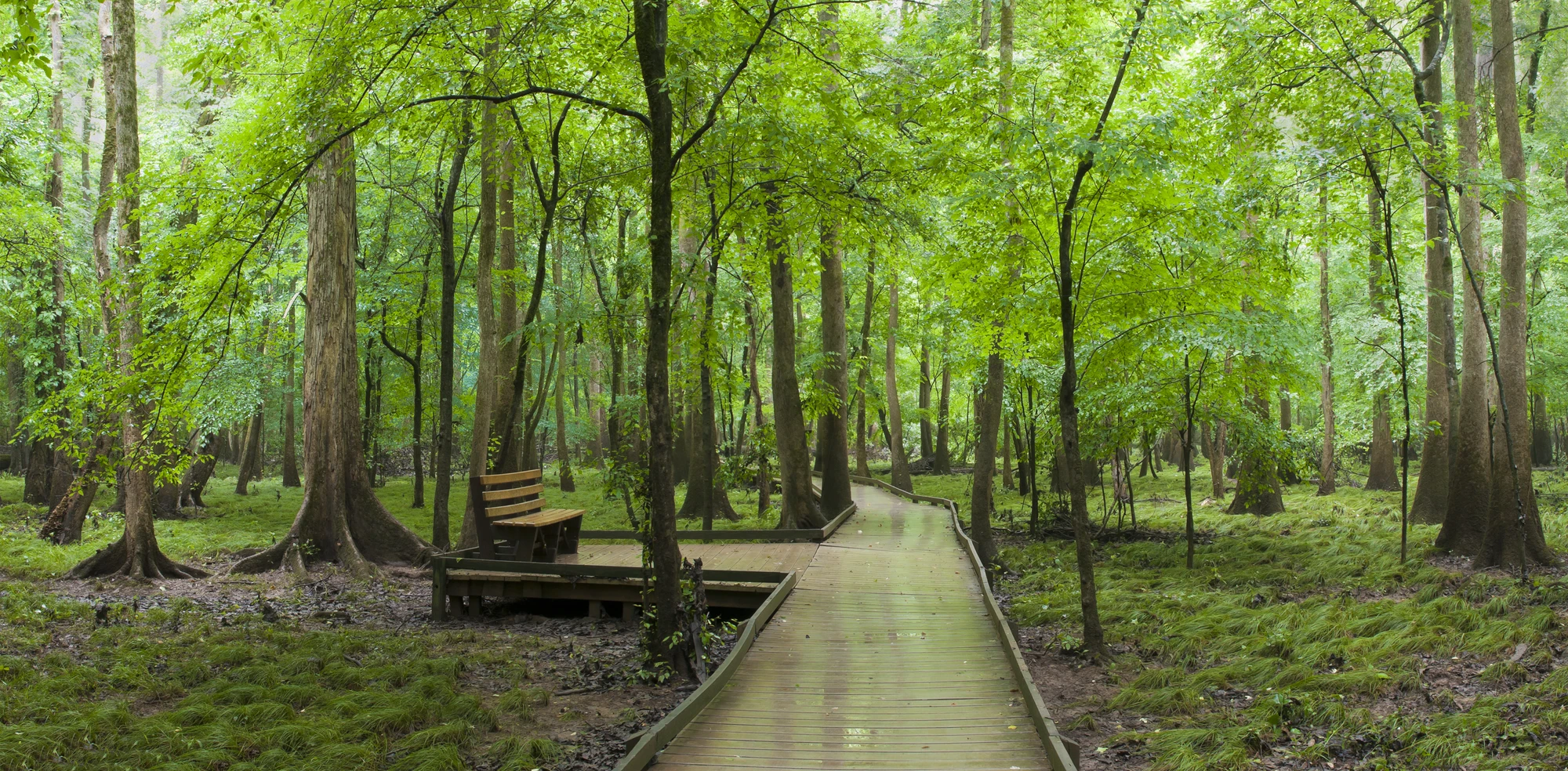
The boardwalk curves like a careful sentence through the swamp — raised planks threaded between knee-high cypress knees, past intermittent benches that invite a slow pause. Above, loblolly pines and bald cypress weave a vaulted canopy so dense light comes as a shy drizzle. Early morning at Congaree National Park feels deliberate: fog still clings to the floodplain, an invisible river pushes the air with a cool, damp heartbeat, and the forest, large and patient, seems to watch you back.

Duration1–8 hours (short loop to full-day paddle or overnight camp)
Trail Wisdom

Trail Wisdom

Start at first light

Morning brings softer light, calmer waters for paddling, and fewer mosquitoes—aim to be on the trail or water within an hour of sunrise.
Pack a waterproof shoe

Beyond the boardwalk, trails can be muddy or flooded; lightweight waterproof boots or quick-dry shoes keep you comfortable.

Bring insect protection

Mosquitoes and ticks are common—use repellent, wear long sleeves in summer, and check for ticks after hikes.

Plan for limited service

Cell service is spotty—download maps, bring a physical map, and let someone know your route and return time.

Local Knowledge

Local Knowledge

Hidden Gems

  • Walk the Westfall Trail for quieter forest scenery beyond the main loop
  • Paddle late in the day along side channels to find secluded heron roosts

Wildlife

great blue heron, river otter

Conservation Note

Seasonal floods and invasive plant species are ongoing management challenges; visitors are asked to stay on trails and clean gear to prevent spreading invasives.

The area was named a National Monument in 1976 and redesignated Congaree National Park in 2003 to protect its extensive old-growth bottomland hardwood forest.
Seasonal Guide

Seasonal Guide

spring

Best for:wildflowers and migrating birds, mild temperatures
Challenges:muddy trails after rains, increasing insect activity

Spring fills the floodplain with wildflowers and bird activity; be prepared for wet trails and rising bugs in late spring.

summer

Best for:long paddling days, lush green canopy photos
Challenges:high heat and mosquitoes, possible high water or storms

Summer is dense and humid—early starts and strong insect protection are essential; afternoon storms can close low trails.

fall

Best for:comfortable hiking conditions, muted fall color and clearer skies
Challenges:shorter daylight hours, cooler nights for camping

Fall is often the most comfortable season: cooler days, fewer bugs, and classic floodplain light.

winter

Best for:quiet trails and crisp air, distinct bark and canopy structure visibility
Challenges:cold mornings, possible flooding after storms

Winters are mild relative to northern parks but can be chilly; bare branches improve sightlines for birding and photography.

Photographer's Notes

Photographer's Notes

Shoot early and late light to capture rays through the canopy; use a polarizing filter for reflections and a low-angle to emphasize cypress knees and trunk scale—long exposures on still water create mirror-like images.

What to Bring

What to Bring

Waterproof hiking shoes

Essential

Keep feet dry and stable on muddy boardwalk edges and side trails.

Insect repellent (DEET or picaridin)

Essential

Essential to manage mosquitoes and ticks, especially in warm months.

Lightweight rain shell

Essential

Storms and sudden showers are common; a packable shell keeps you dry and warm.

○

Water purification system

Necessary for overnight trips if you’ll collect water from creeks or the river.

Common Questions

Common Questions

What to Pack

What to Pack

Water filter (treat creek water); insect repellent (mosquito/tick protection); waterproof shoes (muddy trails); light rain jacket (sudden storms)
Did You Know

Did You Know

Congaree protects the largest contiguous tract of old-growth bottomland hardwood forest remaining in the United States.
Quick Travel Tips

Quick Travel Tips

Arrive early to avoid crowds; check visitor center for trail and water conditions; download offline maps; bring cash or card for nearby outfitter rentals.
Local Flavor

Local Flavor

Nearby Columbia offers classic South Carolina barbecue, farm-to-table restaurants, and galleries; local outfitters provide guided paddles and interpretive tours that connect visitors to Swamp culture and ecology.
Logistics Snapshot

Logistics Snapshot

Locationnear Hopkins, SC (about 20–30 minutes from Columbia). Essentials: bring insect repellent, waterproof shoes, water treatment for overnight trips. Permits: self-register for backcountry camping at Visitor Center. Cell service: limited.
Sustainability Note

Sustainability Note

Stay on boardwalks and established campsites, pack out all waste, and clean footwear and boats to avoid transporting invasive species between waterways.
Topics

Topics