Beneath the City: Rediscovering New York Penn Station’s Heartbeat

Where the city hurries—and sometimes pauses—between tracks and history

Continue Reading

The first thing you notice about New York Penn Station is its motion—the constant, organized chaos of people arriving and leaving, a living interchange where the city coughs and exhales. Step into the cavernous concourses and you are immediately swept into the city’s logistics: commuters angled with purpose, tourists pausing to orient themselves under buzzing departure boards, delivery carts threading between travelers like little islands of utility. Penn Station is not a scenic overlook; it’s a working organism, equal parts transit hub and urban theater, and the best way to understand New York’s rhythm.

History sits layered into the station. The original Pennsylvania Station, completed in 1910 and designed by McKim, Mead & White, was a monumental Beaux-Arts temple to rail travel, a sunlit arrival hall modeled after the Roman Baths of Caracalla. Its demolition in 1963—an act that felt like amputating a city’s memory—became a watershed moment for preservationists and eventually led to New York’s Landmarks Preservation Commission. Today, the shadow of that loss is visible in the contrasts: the subterranean hustle of the current Penn Station versus the airy optimism of nearby Grand Central Terminal. In recent years, the refurbished Moynihan Train Hall, housed in the old Farley Post Office, has reclaimed some of that civic grandeur with a soaring glass roof and bright public spaces—an antidote to the station’s subterranean reputation.

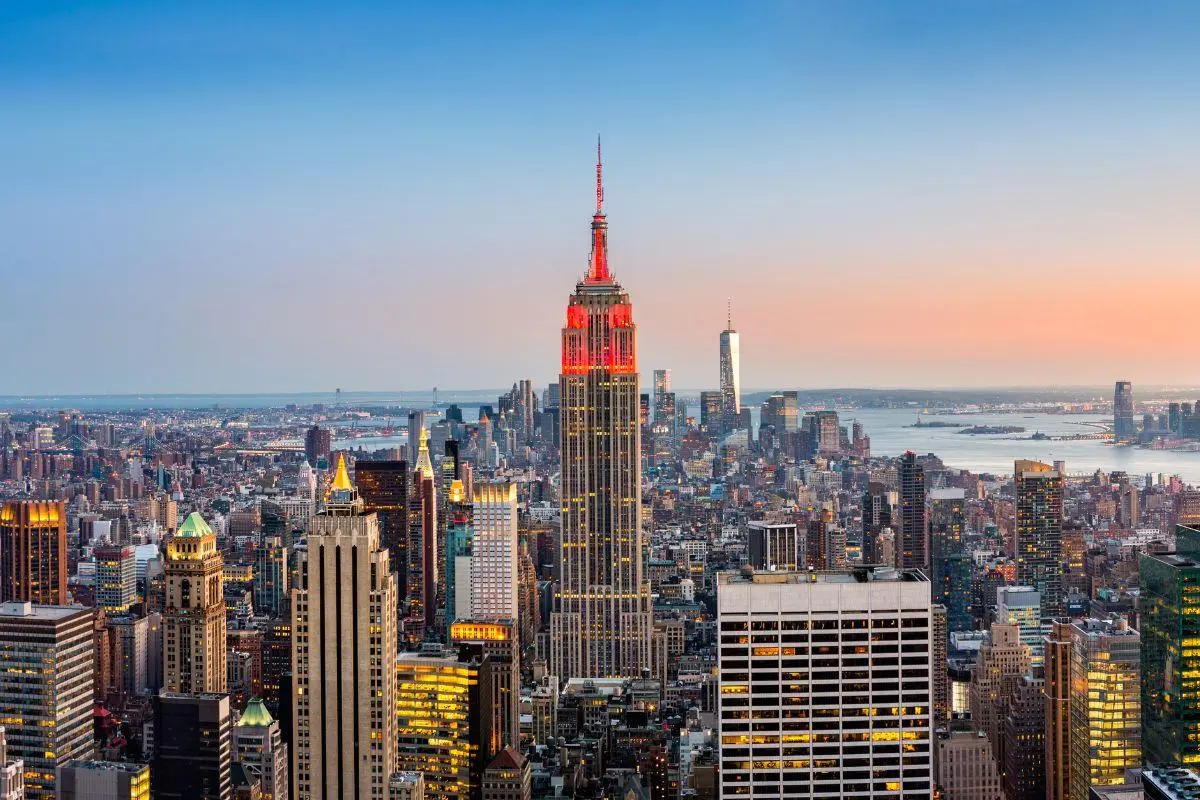
Walking tours make Penn Station less opaque. Small-group Midtown tours sweep past the station as one stop in a curated narrative of Rockefeller Center, the Empire State Building, and Bryant Park; longer historical walks can bridge Midtown to Lower Manhattan and even include a ferry to Staten Island for a Statue of Liberty vantage point. For travelers who want to peer behind infrastructure, the private “Secrets of Grand Central Terminal and/or Penn Station” experience is a practical investment: licensed guides with urban-planning backgrounds will point out remnants of the old station, subway secrets in century-old stations, and the architectural archaeology that most commuters walk past without seeing.

Put simply: Penn Station is a practical hub for moving through New York, and with a guide it also becomes a classroom. A 2.5-hour Midtown walking tour is ideal for first-time visitors who want to connect the station to the city’s greatest hits. For deeper context—how the city decided which buildings to save and which to replace—you’ll want a comparative excursion that visits Grand Central and Moynihan Hall to see how preservation, politics, and real estate reshaped Manhattan.

Practicalities make or break a Penn Station visit. The station is the busiest in the United States, serving Amtrak intercity routes, the Long Island Rail Road, and New Jersey Transit—all squeezed into a dense urban footprint. During weekday rush hours (roughly 7–9 a.m. and 4–7 p.m.) the concourses are at their most intense; evenings can be crowded around event times at Madison Square Garden. If you’re here for photography, aim for mid-morning outside of commuter peaks, or use Moynihan Train Hall’s natural light for cleaner architectural shots. Guided tours often include subway fare and earbuds for listening on the go, which makes hopping between sites simpler.

Wear comfortable shoes and travel light. Penn Station is largely flat but involves brisk walking if you’re connecting across Midtown on foot. Keep a refillable water bottle and a compact rain shell in your bag; New York’s weather turns quickly, and tours keep moving regardless. If you’re planning to ride Amtrak or the LIRR, buy your tickets in advance and leave extra time—platform assignments can change, and large crowds slow down entry.

Beyond logistics, Penn Station rewards a slower curiosity. Look for the carved stone fragments and photographs in exhibitions that reference the old station. Stand in Moynihan Train Hall and feel the way the glass roof reintroduces daylight into a transport space. Step out into the surrounding blocks and find late-night pizza, classic bagel shops, and a Koreatown alley of neon and barbecue just a block away—local flavors that keep the station area alive after platform announcements stop.

For a traveler who wants both efficiency and context, combine a Midtown walking tour with a private exploration of Penn Station and Grand Central. The shorter tour gives you the city’s landmarks and a sense of place; the private comparative tour peels away the layers of urban history and shows you where New York has chosen to conserve its past. Either way, Penn Station is a doorway: not to a single destination, but to the stories that built the city and the daily choreography that keeps it moving.

If you go: expect crowds, bring patience, and use the station as a base rather than a destination. With a guide, Penn Station becomes readable—an urban palimpsest where infrastructure, architecture, and civic memory intersect. Without one, it’s still indispensable: a place where you can get anywhere in the city or beyond, if you can find your platform.

What you take away from Penn Station depends on your pace. Move fast and it’s a commuter blur; slow down and a city’s history reveals itself in brass plaques, reclaimed halls, and the steady hum of trains. Either way, this is a place where movement tells you everything you need to know about New York.
Duration2–4 hours (tour-dependent)
Plan your visit

Trail Wisdom

Avoid weekday rush hours

If possible, schedule tours mid-morning or early afternoon to avoid the heaviest commuter flows (7–9am and 4–7pm).

Use Moynihan Train Hall for photos

The glass-roofed Moynihan Hall offers cleaner light and less chaotic backdrops than the station concourses for architectural shots.

Pack light and secure valuables

Keep bags zipped and close to your body in crowded areas; a slim daypack or crossbody is ideal for mobility.

Know your carrier

Check whether you’re arriving on Amtrak, LIRR, NJ Transit, or PATH—platforms and entrances differ and can add time when transferring.

Local Knowledge

Hidden Gems

  • Moynihan Train Hall’s skylit atrium and public art installations
  • Koreatown alleys a block east for late-night barbecue and bakery stops

Wildlife

pigeons, squirrel sightings in nearby Bryant Park

Conservation Note

Adaptive reuse of the Farley Post Office into Moynihan Train Hall is a recent example of preserving historic fabric while improving transit capacity and daylighting public space.

The demolition of the original 1910 Penn Station in 1963 galvanized the modern landmarks preservation movement in New York City and led to the creation of the Landmarks Preservation Commission in 1965.

Seasonal Guide

spring

Best for:comfortable walking weather, photography in natural light, pleasant outdoor dining nearby
Challenges:occasional rain, higher tourist numbers during spring break

Spring brings mild temperatures that make the surrounding Midtown walks and outdoor cafe stops comfortable—pack a light rain layer.

summer

Best for:late-night events, extended daylight for photography, outdoor street food
Challenges:high humidity, crowded sidewalks and transit

Summer is lively but hot; stay hydrated and plan indoor stops to escape heat between walking segments.

fall

Best for:crisp walking conditions, architecture photography, cultural events
Challenges:colder evenings, peak travel during Thanksgiving

Fall is ideal—cool air and dynamic light make for the best walking-tour conditions and clearer skyline views.

winter

Best for:less crowded mid-days, seasonal city decorations, indoor exploration like Moynihan Hall
Challenges:cold, snow, subway delays

Winter brings brisk weather and potential transit disruptions; layer up and allow extra transfer time between services.

Photographer's Notes

Use a fast lens (f/2.8 or wider) for interior low-light shots and slow shutter with a tripod (or steady surface) to create motion blur of commuters; shoot the Moynihan Hall skylight at midday for dramatic, even light and use wide-angle lenses to capture the scale.

What to Bring

Comfortable walking shoes

Essential

Sturdy, cushioned shoes are necessary for walking across concourses and Midtown blocks.

Refillable water bottle

Essential

Stays hydrated during tours and reduces single-use plastic—there are refill stations nearby.

○

Compact rain jacket

Lightweight protection keeps you moving between indoor sites during sudden showers.

Small daypack or crossbody bag

Essential

Keeps essentials organized and secure while navigating crowded platforms.

Common Questions

Can I visit Penn Station without a guided tour?

Yes—Penn Station is a public transportation hub; you can explore concourses and Moynihan Train Hall on your own, though guided tours add historical context and access to stories you’d likely miss.

Is Penn Station safe for solo travelers?

Generally yes—Penn Station is well-traveled and has visible security, but standard urban precautions apply: keep belongings secure, stay in well-lit areas, and avoid empty platforms late at night.

How do I get between Penn Station and Grand Central?

Take the 4/5/6 or 7 subway lines one stop east, or walk (about 15–20 minutes) through Midtown using cross streets—guided tours often include both terminals for comparison.

Are the tours accessible for people with mobility limitations?

Many walking tours can accommodate reduced mobility, but routes may include stairs and busy sidewalks—confirm accessibility details with the operator before booking.

Can I see remnants of the original 1910 Penn Station?

Yes—guided comparative tours will point out remnants and locations tied to the original station and explain the visible and archival traces in the modern fabric of the site.

Do I need tickets to enter Moynihan Train Hall or Penn Station?

No entry ticket is required to access concourses or Moynihan Hall, but train travel inside the hub (Amtrak, LIRR, NJT) requires valid tickets.

What to Pack

Comfortable walking shoes for long concourses; refillable water bottle to stay hydrated and reduce waste; small rain jacket for sudden showers; ID and transit card for train connections.

Did You Know

The demolition of the original Pennsylvania Station in 1963 prompted public outcry that led to the establishment of New York City’s Landmarks Preservation Commission in 1965.

Quick Travel Tips

1) Allow extra time for platform changes; 2) Confirm whether you need Amtrak, LIRR, NJT, or PATH tickets; 3) Use Moynihan Train Hall for easier navigation and natural light; 4) Bring a portable charger—phone navigation and maps are essential.

Local Flavor

The blocks around Penn Station are a crossroads of flavors: grab a classic New York slice, seek out a hand-rolled bagel, or head into Koreatown for late-night barbecue and bakeries—perfect for refueling between tours.

Logistics Snapshot

Address: 34th St between 7th & 8th Aves; transit: Amtrak, LIRR, NJ Transit, nearby subway lines (A,C,E; 1,2,3); best times: mid-morning off-peak; accessibility: major entrances and Moynihan Hall are accessible—confirm with operator.

Sustainability Note

Favor public transit and walking tours to reduce the carbon footprint of exploring the city; use refillable bottles and avoid single-use plastics in station eateries.

Topics