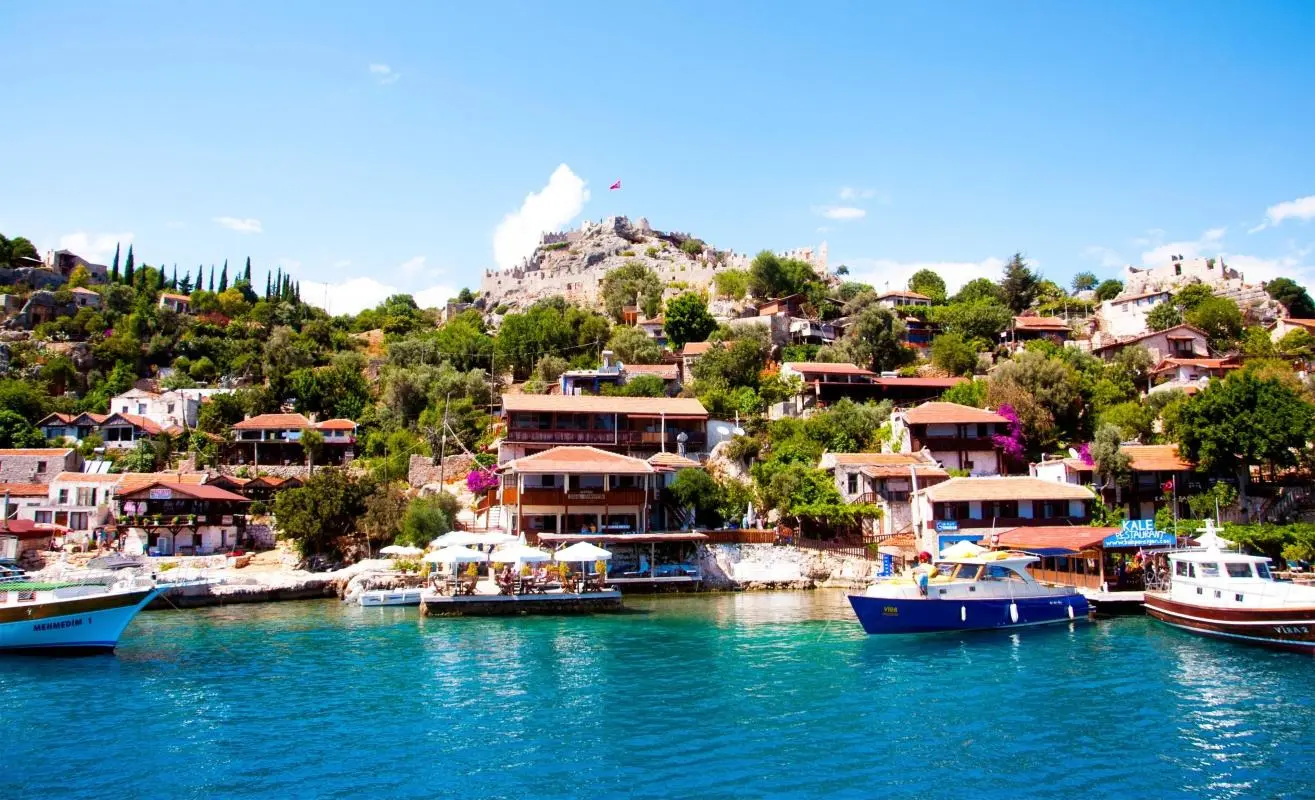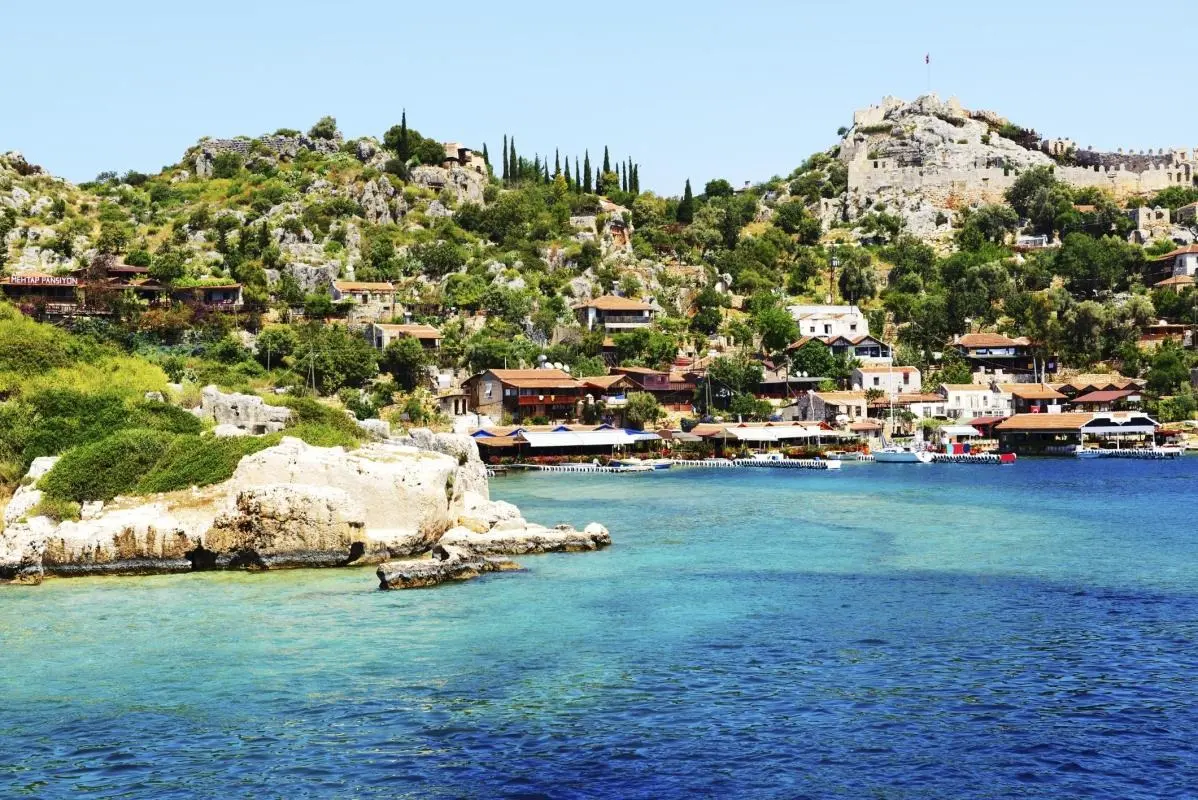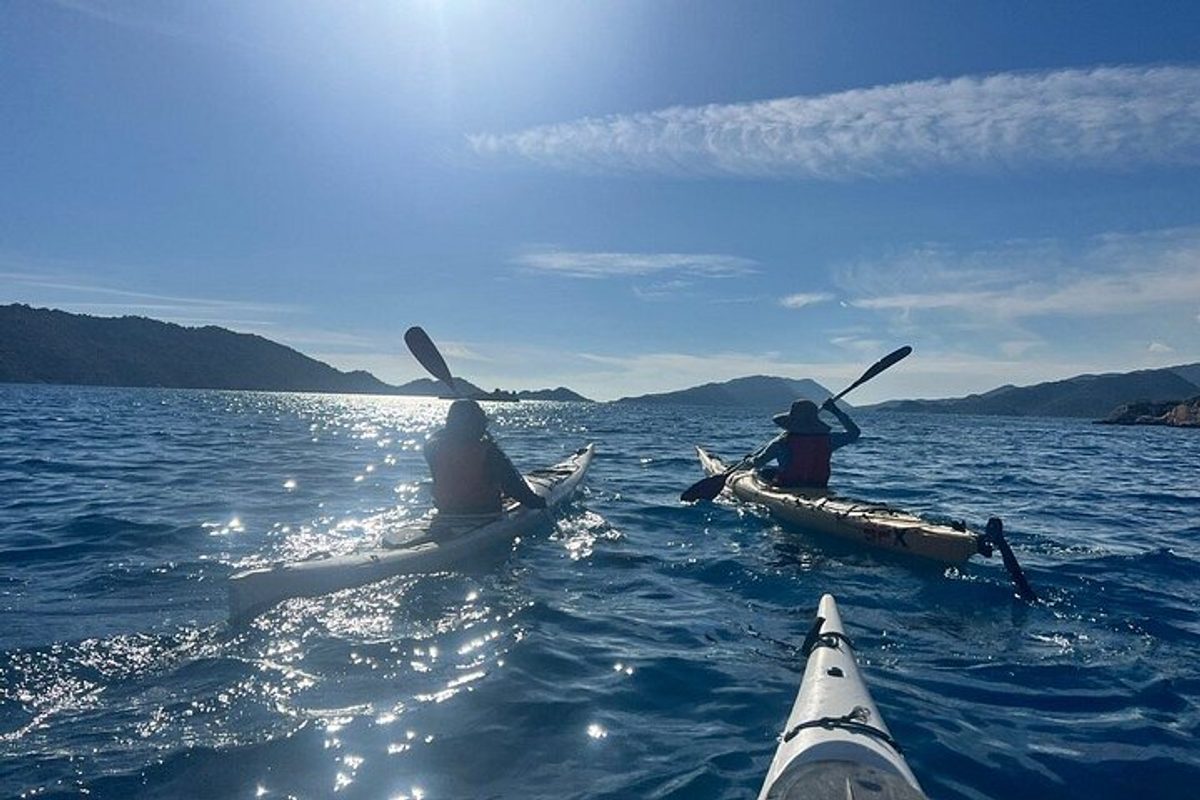
The morning light over Kaş arrives slow and salty, a pale fan of sun brushing the town’s limestone roofs before it spills down to the harbor. You push off from a small wooden jetty—kayak snug, paddle taped, a salty wind already promising a day of steady forward motion. The first strokes are a settling-in: a rhythm that eats distance and amplifies sound. Cormorants peel from rocky ledges. A fishing boat yawns at the mooring. Ahead, the coastline narrows and the cliffs lower, revealing shelves of olive-scrub and fragments of a coastline that has been lived on and contested since the Lycian era. This is the kind of sea trip that feels like moving through layers of time: turquoise water that keeps the memory of cities in its deep.
The Kekova & Aperlai Sea Kayaking Expedition is not your run-of-the-mill sightseeing launch. It’s a full-day, nine-hour commitment to slow exploration—kayaks threading between tiny islets, long pauses for swimming in bays that feel private, and extended stops at archaeological edges where the sea and human history meet. The centerpiece is Kekova’s famous Sunken City—submerged Lycian ruins that sit just offshore—yet the expedition deliberately goes further, to Aperlai, a quieter ancient settlement only seen by a handful of visitors. What that means for travelers is time: time to listen, to snorkel, and to imagine what a coastline looked like before modern roads and mass tourism.
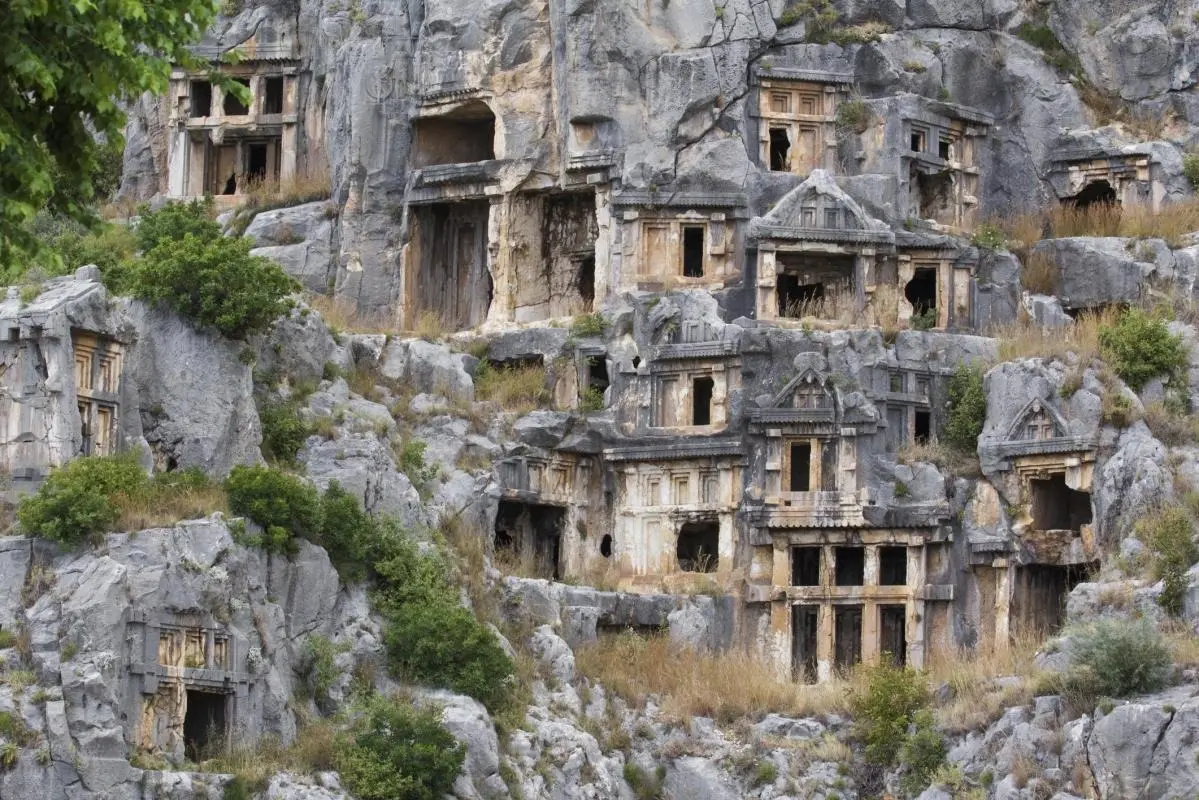
Geologically, this stretch of the Lycian coast is a collage: weathered limestone, tectonic uplift and subsidence, and coves formed by waves that never stop chipping. The submerged ruins are not a single dazzling spectacle but a mosaic—foundations, tombs, anchors stuck in stone—evidence of an era when maritime life was central to survival and identity on these shores. Historically, Lycian cities were often maritime powers and, at times, renegade harbors; Aperlai (also spelled Aperlae) was known in antiquity as a small coastal polis that specialized in sponge fishing and maritime trade. Today its ruins—rocky terraces, scattered masonry—sit like an archaeological footnote compared with the better-known Sunken City but feel infinitely more intimate.
Culturally, Kaş is your base: a small town with narrow streets, bougainvillea-splashed houses, and a relaxed rhythm. Local boatmen still ply the same winds their ancestors read, and the harbor culture is straightforward—tea in small cups, conversations about the sea’s moods, and kitchens that turn the day’s catch into grilled fish and mezze. The kayaking route stitches together that local life and the coastal past; you’re as likely to share a swim with locals as to inspect a carved Lycian tomb.
Practically speaking, expect a day of varied motion. The tour typically spends long stretches on the water broken by extended breaks to snorkel, explore coves and, when conditions allow, land briefly to wander ancient ruins. The paddling is steady rather than technical—suitable for anyone comfortable in a stable sit-on-top or tandem sea kayak—but you’ll feel it by mid-afternoon. Plan for sun, wind and the possibility of chop as you round exposed points. Guides carry safety gear, dry bags for lunch, and local knowledge about where to anchor and when to skirt reefs.
Why go? Because this trip rewards patience. You don’t just tick off the Sunken City; you reach quieter ruins, discover hidden swimming coves, and see the Lycian coast at a calm, observational pace. It’s ideal for travelers who want more than a photo and more than a quick dip—those who want to learn the coastline’s story through movement.
Timing and preparation matter. Start early to catch calm seas and cooler air, bring reef shoes for hopping ashore, a snorkel mask for glimpsing submerged masonry, and a good sunscreen regimen. If you want the clearest underwater visibility, aim for the shoulder seasons; mid-summer can be glassy but crowded, while spring and fall deliver milder winds and fewer boats.
On the conservation side, this coastline is fragile. The Sunken City and nearby ruins are archaeological resources; regulations often prohibit diving on some sites and anchoring in designated zones. Local operators are increasingly conscientious—using moorings rather than dropping anchors, briefing visitors on not touching ruins, and removing litter. Your awareness makes a difference: avoid standing on or removing stones, pack out anything you bring, and follow your guide’s parking and landing instructions.
Back in Kaş at day’s end, the harbor’s small restaurants are an immediate reward: a plate of grilled octopus, a spread of tzatziki and fava, cold ayran or a local beer. Conversation usually turns to the day’s best swim, an underwater slab of masonry, or the moment a pod of dolphins cut the water a mile off. That combination—hard work, quiet wonder, and simple, excellent food—explains why people return.
For would-be bookers: this expedition is best for travelers who want meaningful time on the water, good interpretive guiding, and the kind of day that combines natural beauty with archaeological intimacy. It’s not a high-adrenaline paddling clinic, and it’s not a quick tour—you’ll leave with sun-kissed shoulders and a clearer sense of how the Lycian coast holds its stories in stone and sea.