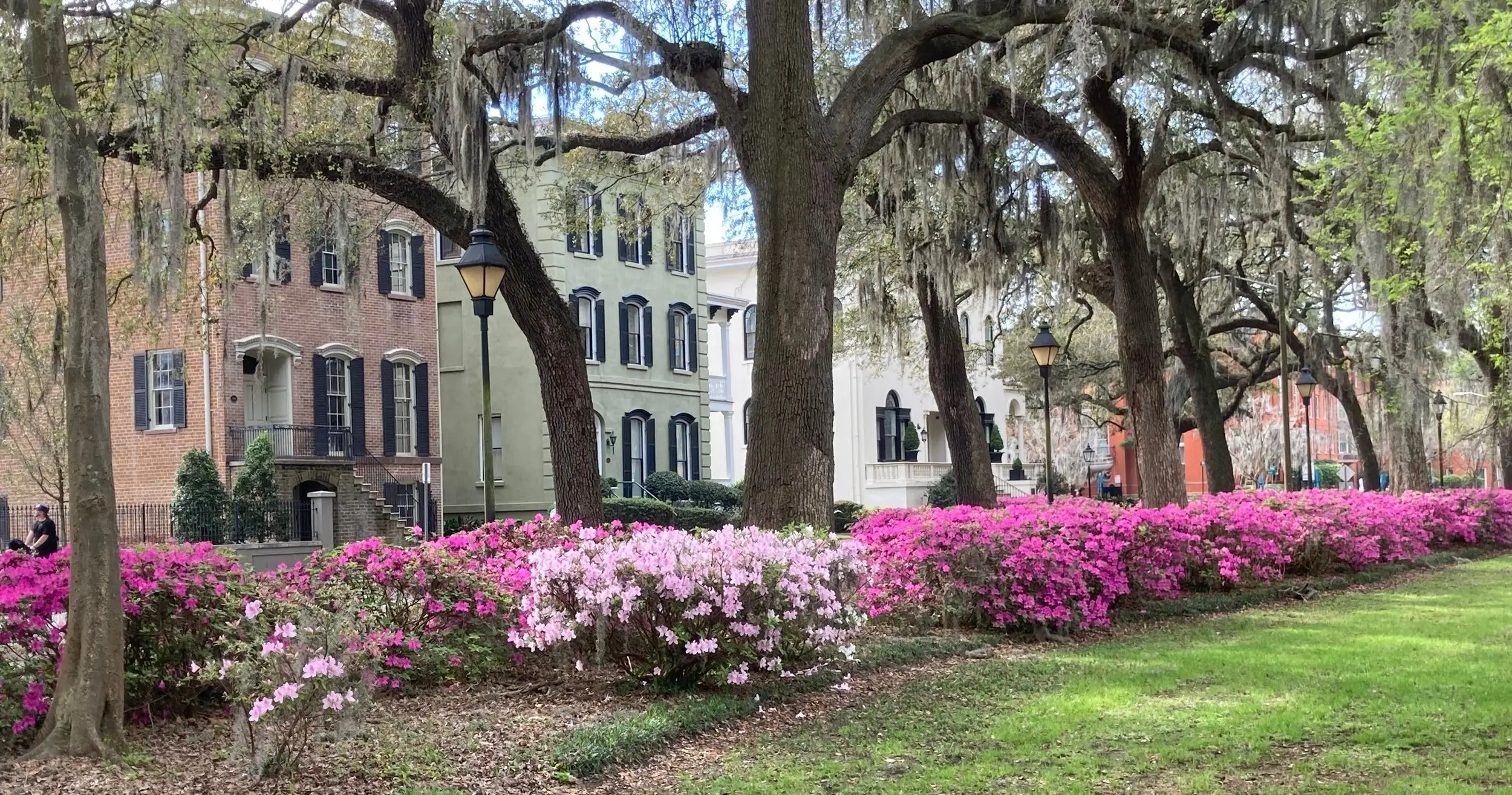
You round a brick corner and the city unfolds like a map stitched to the ground: cobbled lanes, iron balconies, and a tangle of live oaks draped in Spanish moss that move like slow curtains in the breeze. You have arrived at Savannah City Market—not a single stall but a small city within a city where food, music, history and on-the-street performances collide. Morning here smells of strong coffee and frying dough; by night the market glows with string lights, live bands and the low murmur of river traffic. It’s the kind of place that rewards slow wandering, but it also serves as a practical hub for every kind of exploration the Historic District offers.
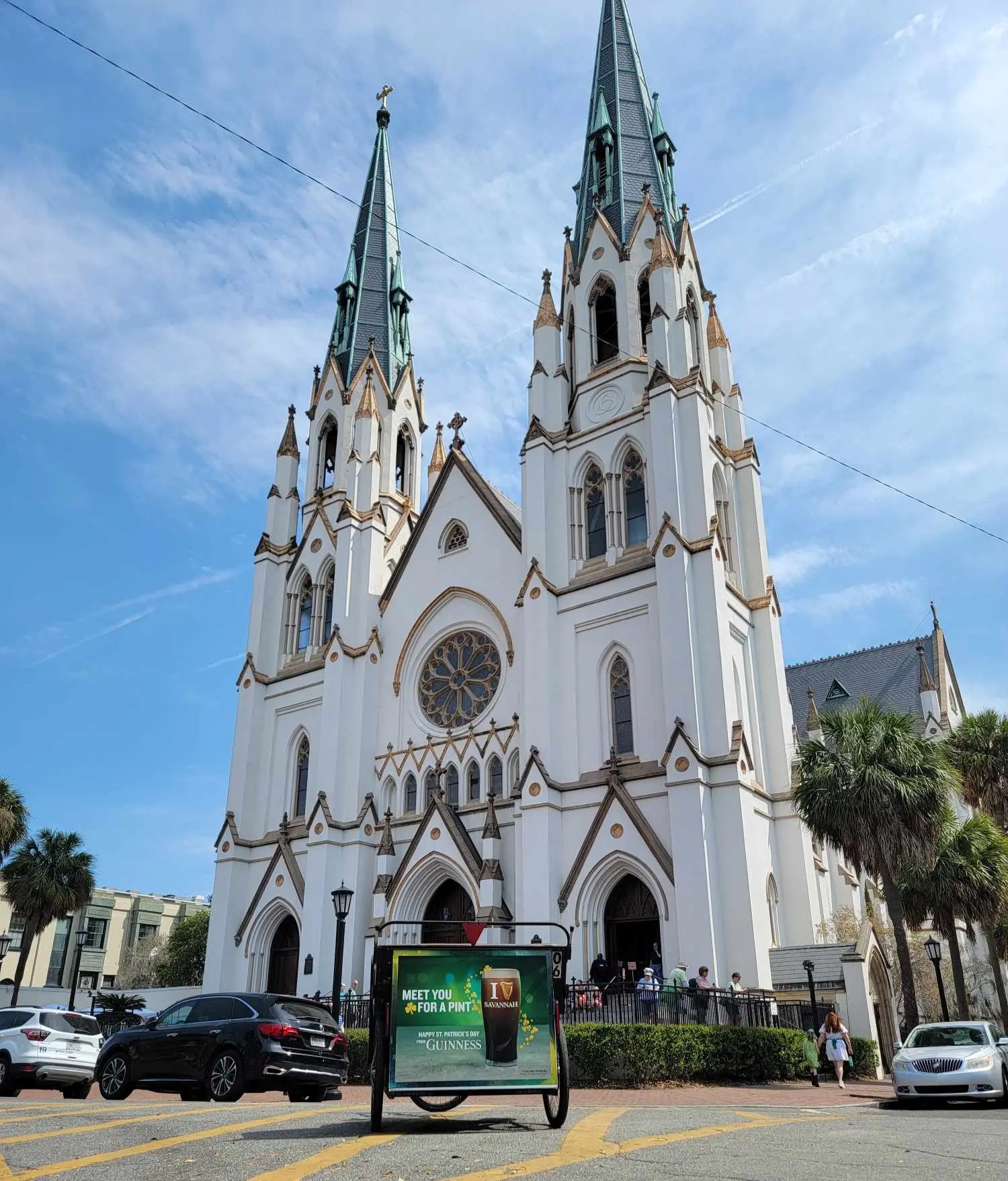
Savannah City Market sits at the geographic and cultural heart of the city’s Historic District. Its blocks were a working marketplace and a crossroads long before tourism programs and guided tours arrived; the market and surrounding squares have evolved from 18th-century mercantile activity into a curated mix of galleries, restaurants, and performance spaces. Architecturally, the area is a textbook of Southern urbanism—wide squares punctuated by monuments, Federal and Victorian facades, and the veins of old brick alleys that link River Street to the inland neighborhoods.
The geology here is subtle but decisive: the city rests on low-lying coastal plain soils above layers of clay and shell middens—remnants of centuries of human and ecological occupation that make Savannah’s ground forgiving but occasionally soggy. The Savannah River, visible a couple blocks north, has been both boon and determinant: its tidal rhythm shaped commerce and the gritty warehouses that line River Street. Today, the river is as likely to push a sightseeing riverboat past your window as it once pushed timber and cotton downriver.
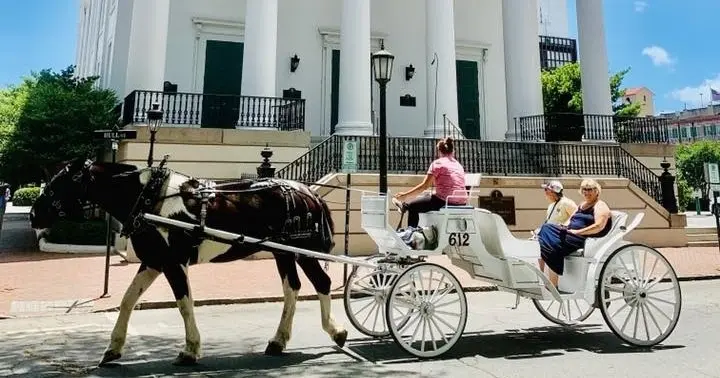
Culture is the market’s currency. You’ll hear Gullah phrases in conversations, catch a Johnny Mercer chorus on a guided music tour, and taste Lowcountry flavors—shrimp and grits, she-crab soup, pralines—in eateries that have reinterpreted tradition for a modern plate. That cultural density is exactly why the market is also the launchpad for many experiences: hop-on hop-off trolleys begin here; walking tours—historic, haunted, and music-focused—use the market as their meeting place; and bike tours will point your wheels toward the squares and quieter lanes where the city's stories are most tactile.
There’s an experiential logic to starting at City Market. If you want a compact primer on Savannah, take a 90-minute trolley to get the lay of the land, then use a bike tour to thread through residential streets and hidden squares at human pace. If you’re chasing history, the Rising Voices walking tour turns an ordinary stroll into a lesson in underrepresented narratives—Black, Native, queer and women-led stories that are essential to how Savannah came to be. For an evening that tastes of the city, a culinary food tour or a donut-and-sweets crawl maps what locals eat between lunch and supper. And if your curiosity leans spookier, haunted pub crawls depart from City Market as predictably as the tide.
Practical planning matters here more than romantic impulse. The best visiting window is fall: temperatures are comfortable, the crowds thin around midweek, and festivals—the Savannah Film Festival and SCAD events—breathe extra life into galleries and bars. Summer brings long, humid days and a steady parade of tourists; bring breathable layers and stay hydrated. Weekends are busiest—if you crave quiet, book early morning tours or late-afternoon slots.
Getting around is straightforward and forgiving. Wear broken-in walking shoes; the brick and cobblestone give charming texture but are unrelenting on fragile soles. A short bike tour can add five to seven miles of effortless exploration and is an efficient way to reach neighborhoods like the squares along Bull Street. If you prefer stories over selfies, choose a guided walking tour—the local guides here are historians with the gift of narrative, and they’ll point out the kinds of subtle architectural details and plaque stories guidebooks miss.
Savannah City Market is also a living economy. Shop local galleries and boutique food purveyors; tip performers and street musicians who make the market feel electric. Sustainability matters—stick to reusable bottles, support vendors using locally sourced ingredients, and respect the fragile marshlands and waterways by not feeding wildlife or drifting into restricted river areas.
At the end of the day, the market is a hinge: it connects the everyday life of Savannahians to the itinerary of visitors. Stand on Market Street as the sun drops and you’ll see it—the river reflect a band of pink, a trolley rumble past, and a group of locals laughing in a doorway. The city is not a static postcard here; it’s conversation and taste and music and memory, all arranged in an easy loop that invites you to step in, choose a trail, and keep walking.