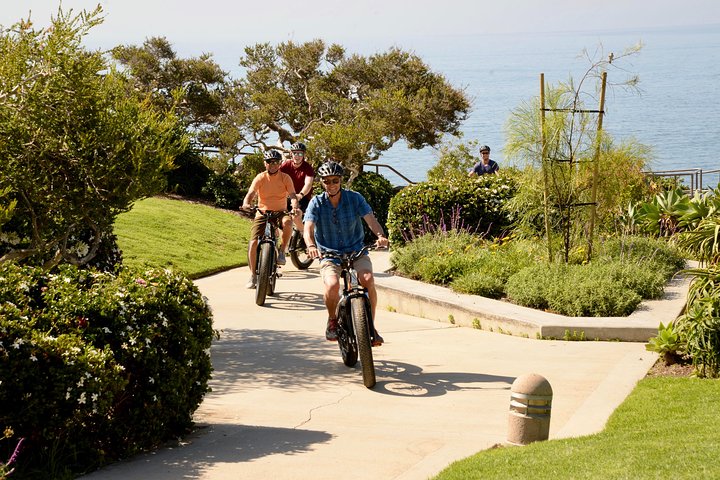
The morning opens like a slow exhale over Crystal Cove State Park. Mist lifts off the Pacific and the sound of surf—clean, steady—sets the rhythm; gulls punctuate the beat. You step from the parking area onto a path of packed sand and scrub, the bluff dropping away to reveal a strand of beach where weathered cottages huddle like old sailors against wind and salt. Tidepools gurgle and glitter at your feet, offering jeweled glimpses of sea anemones and starfish. Inland, trails climb into canyon shade where sycamores keep a cooler hour and the air smells of citrus and sage. This is a place where coastline and canyon meet with a clarity that makes the everyday world feel politely removed.
Crystal Cove sits on the softer edge of Orange County—just north of Laguna Beach—yet its ecology and cultural layers run deep. The shoreline here is a classic California marine terrace: wave-sculpted bluffs and rocky outcrops give way to broad, firm beaches at low tide. Geology reads like a slow-motion story: uplift, erosion, and the relentless abrasion of surf creating the pockets and ledges that make the tidepools so rewarding. The park’s inland canyons, including Moro Canyon, collect runoff and host riparian ribbons that point to wetter seasons and local microclimates.
Culturally, Crystal Cove is stitched into the history of the region. The Crystal Cove Historic District preserves nearly fifty vintage beachfront cottages—remnants of 20th-century coastal life—where families once lived in simple summer cottages and fisherman’s shacks. Long before that, the coastal towns and canyons were part of the ancestral lands of the Tongva and Acjachemen peoples, who read the coast for food and navigation long before roads and parking lots existed.
If you come for one thing, let it be the variety. A morning tidepooling session at low tide rewards patience and a keen eye: anemones, hermit crabs, and snails cradle themselves in miniature worlds. By midday, a bluff trail—think Reef Point or the Pelican Point loop—offers broad views south to Laguna and north toward Newport’s harbors. Longer hikes thread Moro Canyon into the inland hills; these can be surprisingly lush in winter and spring, and in dry months reveal the more austere, sunbaked side of Southern California’s coastal scrub.
Crystal Cove also acts as a staging ground for experiences that extend the coastline’s reach. From Newport Harbor, whale-watching cruises work the deep blue corridors where gray and humpback whales migrate; a naturalist’s narration on these trips reorients the coastline from postcard to ecosystem. If you want perspective, a 30-minute helicopter tour from Long Beach will show how the park’s bluffs stitch together the series of beaches that fringe Orange County—sudden cliffs, casino-white sand, private coves and public stretches—best understood from the air. For people short on planning time, private full-day tours from Los Angeles and Anaheim fold Crystal Cove into a curated coastal day, moving you efficiently between beaches, viewpoints and the creative town center of Laguna Beach.
Practicalities matter here: trails range from quick beach walks to multi-mile canyon circuits with modest climbs. The ground underfoot shifts—sand, packed dirt, occasional cobbles—so footwear that balances grip and comfort is a must, and you’ll want layers because marine influence can bring fog in the morning and sun by noon. Plan tidepooling at low tide and early; sunlight is kinder, crowds are thinner, and marine life is easier to observe. If your day includes a whale watch or a helicopter flight, book well in advance in high season—weekends can fill early.
For photographers, Crystal Cove is generous: sunrise and sunset light the cottages and bluffs with buttery gold; low-angle shots along the beach make the surf read like glass; long exposures on the rocky points smooth the ocean into a milky foreground. Wildlife watchers should bring binoculars: the point breaks and offshore waters host dolphins, occasional seals and the seasonal spectacle of migrating whales.
Conservation is visible in the park’s management—restoration of the historic district, protected coastal habitat, and ranger programs. Keep to trails, respect posted closures (especially around nesting sites), and carry out what you carry in. The coastline here is durable but not indestructible; the things that make it compelling—tidepools, kelp beds, bluff vegetation—depend on small practices like staying off wet rocks at low tide and packing out trash.
Whether you walk the bluffs, examine a tide pool, float a whale-watching seaworthy past Catalina’s distant silhouette, or simply sit on a rock and let the surf redraw the shoreline, Crystal Cove rewards attention. It’s not an alpine conquest; it’s coastal literacy: learning the park’s moods, reading tides and wind, and letting the place measure your pace. That combination of sensory clarity and practical accessibility is what keeps visitors returning: here, the ocean and the trails give you quiet evidence that Southern California’s coast is not only a backdrop for a photo, but a living landscape to be explored thoughtfully.
How to shape a day: aim for low tide in the morning to inspect tide pools; use mid-morning for a bluff or canyon hike; save later afternoon for relaxed beach time or a sunset viewpoint. For longer logistics, combine a park visit with a Newport whale watch or an aerial tour from Long Beach for a composite day that reads like a coastal primer. And if you have time, join a guided tour that includes local history—those cottage stories make the coastline feel lived-in in all the best ways.
Crystal Cove is uncomplicated and complete: tide, trail, and a human story that folds over itself like a blanket. It’s an ideal place to practice a slow kind of curiosity—one that notices the anemone as much as the horizon—and to leave knowing more about Southern California’s coast than when you arrived.