Big Sur in Four Hours: A Private Half-Day Hiking Excursion to Remember

Big Sur in Four Hours: A Private Half-Day Hiking Excursion to Remember

4 Hours • $175 per person

Continue Reading

You step out of the van and the coastline greets you like an old friend—salt on the wind, cypress silhouettes cut against a late-morning sky, and the Pacific rolling out beyond the last stand of Monterey pines. This is the first line of a four-hour narrative that strips away everything nonessential: a path, a guide who knows where the light settles best, and the kind of silence you only get when the roar of a freeway is far behind you. On the Private Half Day Hiking Excursion, the landscape doesn’t merely serve as a backdrop. It negotiates with you—sometimes coaxing a slower step, sometimes daring you to edge closer to a cliff-side view where the ocean suddenly seems a scale model of the earth.

The trail options on the Monterey Peninsula and Big Sur are as varied as the geology that created them. Towering marine terraces, twisted Monterey cypress, and pocket beaches carved into sandstone reflect a coastline shaped by relentless waves and restless tectonics: the uplifted slabs of the Santa Lucia Range meet the sea here, producing dramatic elevation changes over short distances. These short but intense hikes give you a cinematic cross-section of California’s coastal ecology, from wind-sculpted scrub to pockets of redwood in shaded canyons. Guides on this private excursion tailor the route to the day—sometimes you walk narrow ridgelines with views to the horizon, other times you descend into fern-lined gullies where the ocean is only present as a distant swell.

History and culture are woven into the region. The Monterey Peninsula and Big Sur were traditionally home to the Rumsen and Esselen peoples, who read the coastal seasons as closely as any modern weather report. Later, the area’s ruggedness kept it lightly populated, and a handful of visionaries—artists, authors, and restaurateurs—made it a destination for people seeking quiet and vast views. Today, you encounter small communities that balance tourism with preservation: parks protect fragile habitats while local cafes and inns provide the small pleasures that complete a day on the trail.

What makes this a compelling choice for travelers is its accessibility. You don’t need a multi-day permit or technical gear—just sensible footwear, a willingness to move at the pace of the landscape, and a camera. Yet the experience doesn’t skimp on depth. Guides bring field knowledge—identifying native plants like the Monterey pine and pointing out microclimates where moss thrives even on a sunny day. If you add the optional picnic ($23), the payoff is a quiet lunch pulled from a pack on a rock shelf where the ocean feels close enough to hear texture in each wave.

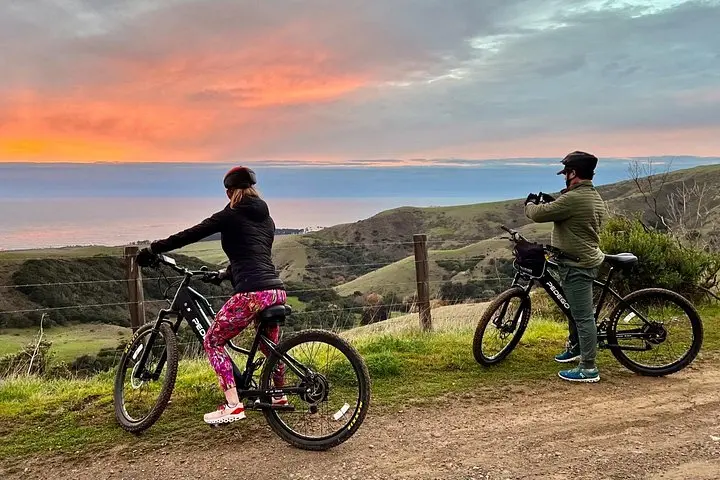
Practicality is baked into the excursion: four hours is the sweet spot for those who want to escape the crowds without committing a full day. The private format means the guide can adjust pace for families, photographers, and seasoned hikers alike. The route choices also allow for different elevation profiles—gentle coastal walks for a restorative outing or steeper ridge lines for a brisk cardio hit. Because the coastline can be exposed and weather can change quickly, layering is crucial; mornings may start cool, afternoons can spike with sun, and a coastal breeze will remind you that microclimates are king here.

Safety and stewardship go hand in hand. Big Sur’s beauty comes with technicalities: narrow trails, cliff edges, and fragile plant communities. Your guide is a safety buffer and an educator—showing you where to step, which plants to admire without disturbing, and how to leave the place as you found it. Expect an orientation at the start: route, timing, and any tricky sections. If you want binoculars or trekking poles, bring them—many guides welcome tools that enhance the experience without creating extra gear-swap friction.

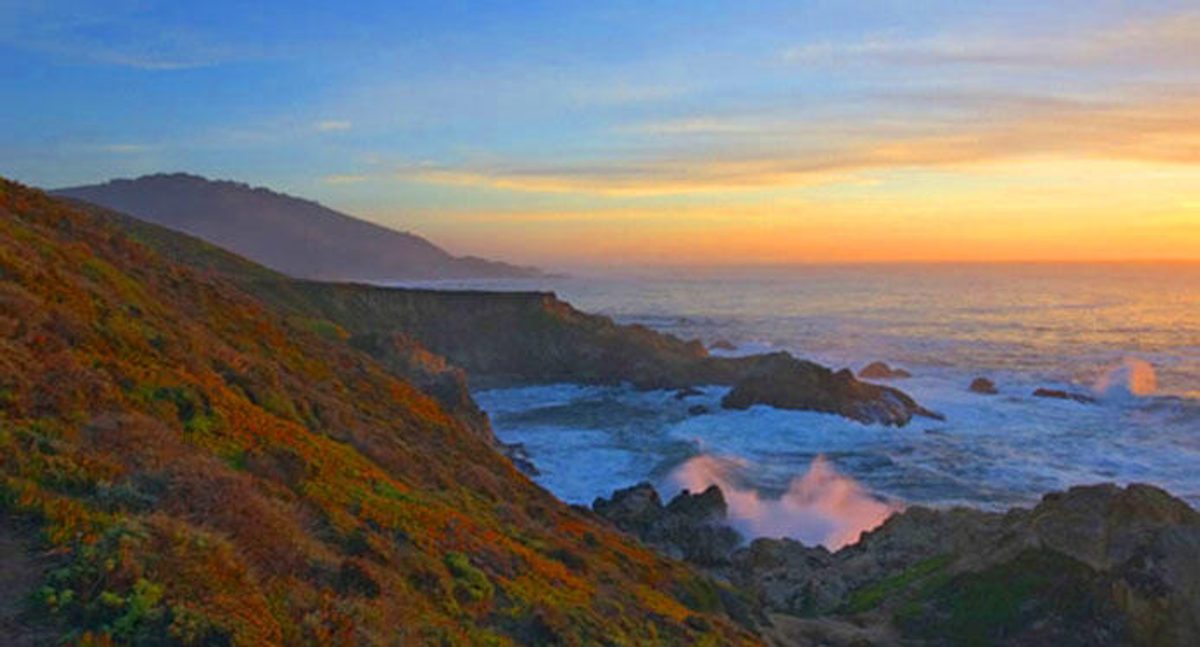
For photographers, timing matters. Morning light softens the cypress silhouettes; late afternoon brings a warm glaze that deepens shadows and sculpts the ridgelines. If you’re chasing a quieter trail, book outside of peak summer and weekend windows. If wildflowers are your priority, spring routes through coastal meadows deliver color; in fall, the light is clear and temperatures are friendlier, making October an especially good month.

This private hike is a precise mix of accessible adventure and curated intimacy. You get expert navigation of a rugged coastline, a chance to learn the local natural history, and the freedom to move at a pace that suits your group. Whether you’re a traveler in town for a few days wanting a concentrated hit of Big Sur, a family seeking a safe but scenic outing, or a photographer chasing cinematic coastal light, the Private Half Day Hiking Excursion delivers. It’s short enough to fit into a broader Monterey Peninsula itinerary, and long enough to leave you with something rare: the quiet confidence that you’ve seen a place on its own terms.
Duration4 hours
Plan your visit

Trail Wisdom

Layer for Coastal Microclimates

Bring a wind-resistant outer layer and a light insulating mid-layer to handle chilly mornings and sun-warmed afternoons.

Footing Matters

Wear shoes with good tread—trails can be uneven, with loose rock and occasional muddy patches after rain.

Hydrate Smart

Carry at least 1 liter of water per person for the half-day, more if temperatures rise or you plan a steeper route.

Respect Sensitive Areas

Stay on designated trails and avoid trampling plant communities or nesting sites; your guide will point out fragile zones.

Local Knowledge

Hidden Gems

  • Aceda-lookout ridge with fewer crowds at sunrise
  • A shaded canyon just inland where ferns persist year-round

Wildlife

California sea otter, Peregrine falcon

Conservation Note

Much of the area is protected within state parks and the Ventana Wilderness—stay on trails, pack out all trash, and avoid disturbing shoreline habitats to preserve this fragile coastal ecosystem.

The Monterey Peninsula and Big Sur region were historically home to the Rumsen and Esselen peoples; the rugged coastline later attracted artists and writers who prized its solitude.

Seasonal Guide

spring

Best for:Wildflowers, Cool hiking temps, Birding
Challenges:Unpredictable spring showers, Mud on shaded trails

Spring brings blooming coastal meadows and active birdlife but check forecasts for rain and wear grippy shoes.

summer

Best for:Long daylight, Warm clear skies on some days, Photography at golden hour
Challenges:Crowds on popular trailheads, Foggy mornings or marine layer

Summer offers long days but expect more visitors and possible morning fog that burns off by midday.

fall

Best for:Crisp light for photos, Fewer crowds, Mild temperatures
Challenges:Shorter daylight later in season, Occasional offshore winds

Fall is often the clearest season—ideal for views and calmer trails—making it the optimal time to visit.

winter

Best for:Dramatic surf and storms, Easy access to some protected valleys, Potential for rare clear winter days
Challenges:Rain and muddy conditions, Trail closures after storms

Winter brings big surf and storm-washed drama; be prepared for muddy trails and possible reroutes.

Photographer's Notes

Shoot during the golden hours—early morning softens harsh coastal contrasts, while late afternoon creates warm side-light that accentuates cypress silhouettes; use a polarizer to deepen the sky and reduce glare off the ocean, and bracket exposures if you want detail in both bright water and shaded vegetation.

What to Bring

Hiking Shoes with Good Tread

Essential

Keeps you stable on rocky, sometimes uneven coastal trails.

Windproof Jacket

Essential

Protects against sudden coastal breezes and cool temperatures near the ocean.

Reusable Water Bottle or Hydration Bladder

Essential

Ensures you stay hydrated for the half-day outing without relying on inconsistent water access.

○

Daypack with Picnic or Snacks

A small pack holds layers, snacks, and the optional picnic for a scenic lunch.

Common Questions

How long is the hike and what is included?

The private excursion is four hours; guides tailor the route and can include a $23 boxed picnic if requested.

Is this hike suitable for kids or older adults?

Yes—routes can be chosen for gentler terrain to accommodate families and older participants; discuss needs when booking.

Are permits or parking fees required?

Most day hikes in state parks may have parking fees; permits are generally not required for a private half-day hike but park regulations vary.

What happens if the weather turns bad?

Guides monitor conditions and will adjust routes or reschedule for safety if high winds, heavy rain, or hazardous conditions occur.

Can I bring my dog?

Policies vary by trail and land management; some state parks prohibit dogs on certain trails—confirm with your provider before bringing pets.

Where do we meet and how do I get there?

Meeting details are provided at booking—most starting points are along Highway 1 near Big Sur or the Monterey Peninsula; the closest major airports are Monterey Regional (MRY) and San Jose (SJC).

What to Pack

Sturdy hiking shoes for uneven trail, windproof jacket to handle ocean breezes, 1L+ water to stay hydrated, snacks or picnic for mid-hike energy

Did You Know

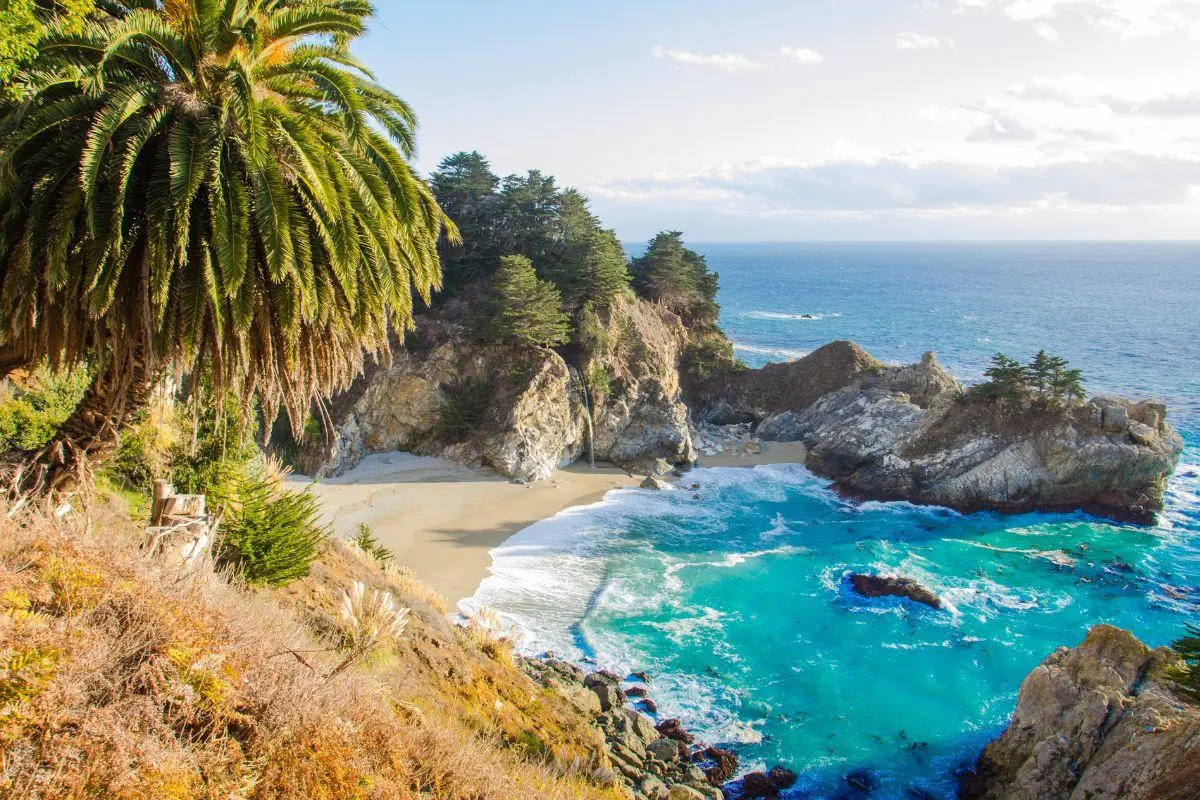
McWay Falls in Julia Pfeiffer Burns State Park—on the Big Sur coast—drops directly into the ocean and is one of the few tidefalls in California.

Quick Travel Tips

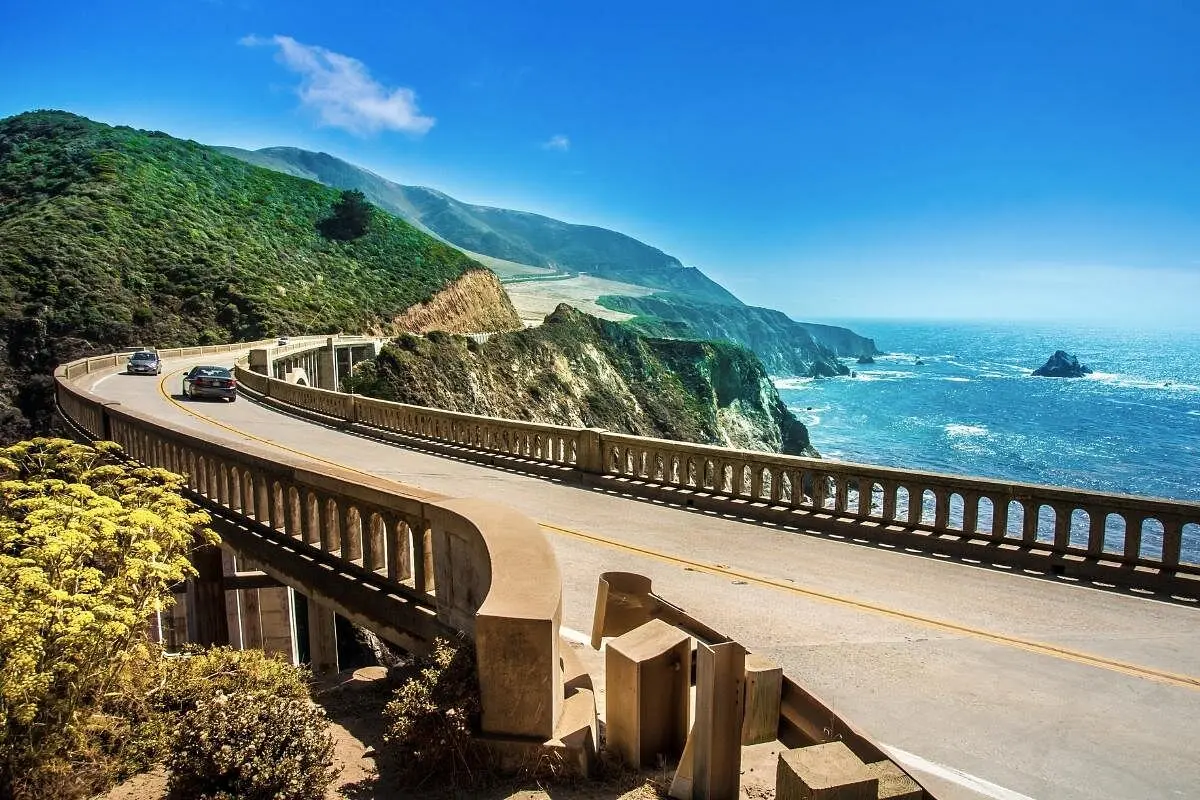
Book weekdays to avoid crowds, bring cash for small parking fees, check tide and weather for coastal outlooks, allow extra time for narrow Highway 1 driving

Local Flavor

After the hike, head to Big Sur Bakery for a rustic pastry and coffee, or drive north to Nepenthe for a sunset meal with sweeping ocean views; for a longer evening, Carmel-by-the-Sea offers intimate bistros and craft tasting rooms.

Logistics Snapshot

Closest airport: Monterey Regional (MRY) or San Jose (SJC). Typical drive: 20–60 minutes from Carmel or Monterey depending on trailhead. Cell service: intermittent—expect gaps on many coastal ridges. Permits/passes: parking fees common at state parks; no special permit for private half-day hikes.

Sustainability Note

This coastline contains fragile plant communities and nesting birds—pack out all waste, stay on designated trails, and avoid using drones over wildlife or shorelines.

Topics