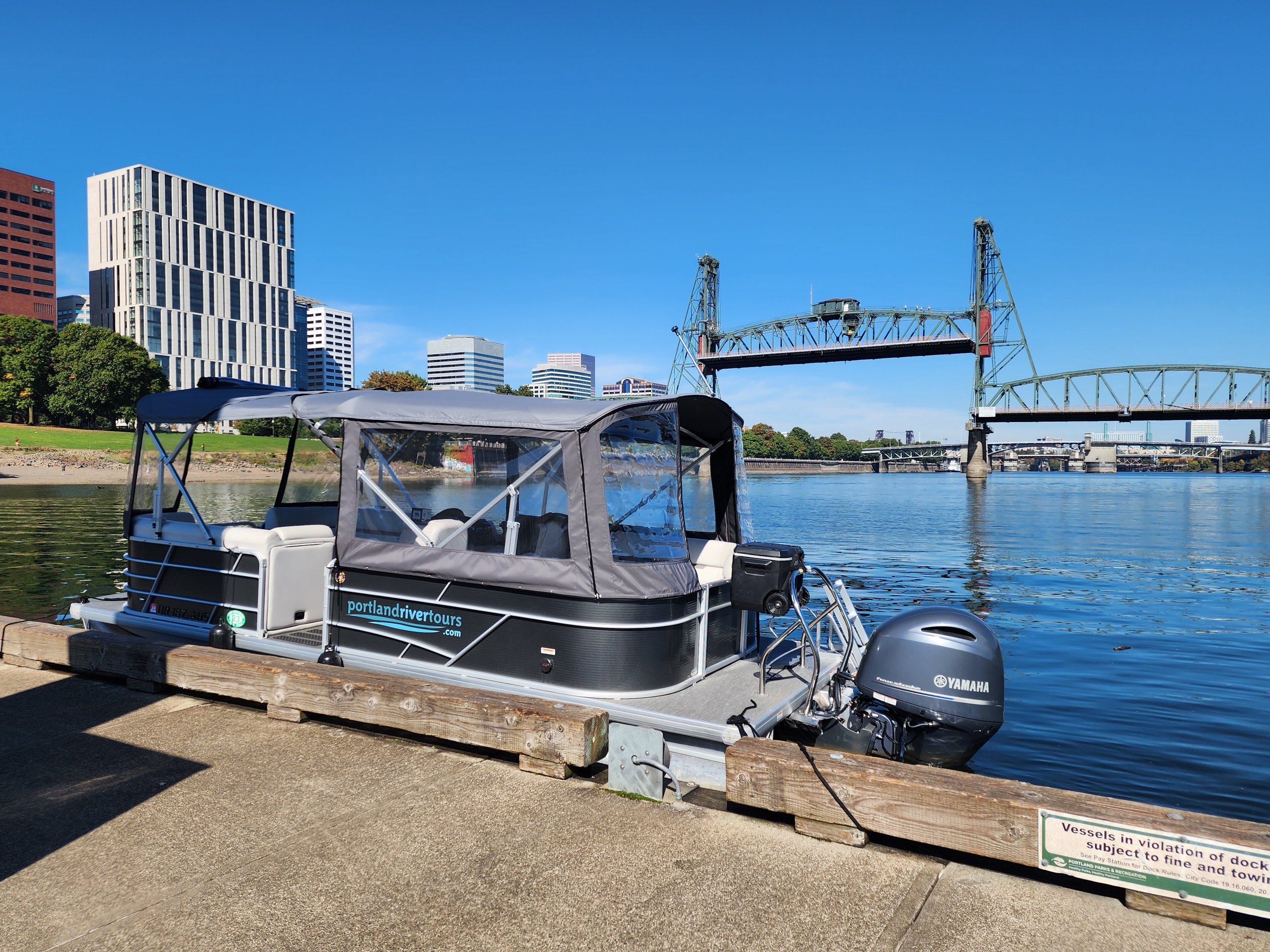
Bridges and Tides: A Two-Hour Dispatch From Portland’s Willamette

Bridges and Tides: A Two-Hour Dispatch From Portland’s Willamette

Private Tour • 2 Hours • Up to 6 People

Continue Reading

The Willamette moves like a city’s memory: slow in the center, restless near the docks, carrying stories of industry and quiet corners of forested banks. Step aboard a low-profile cruiser and the river asserts itself immediately—water that dares you to look away from the skyline, currents that nudge the bow toward a rusted drydock, and the bridges, one after another, rising and falling like chapters. On the Bridge City Tour, two hours is enough to feel how Portland grew up on this ribbon of water—how commerce, film crews, and birds all share the same passages.

You leave from the city’s edge with a captain at the helm and a wildlife guide narrating the passage. The first impression is geometry: nine distinct drawbridges span the Willamette—each a mechanical answer to a different era’s demands, from the elegant steel truss of historic spans to the bulky counterweights of bascule bridges. The skyline peels open behind them; cranes and spires, the coppery curve of older industrial buildings, and the glass of new towers that catch the afternoon. The tour plays these elements against one another—nature, industry, and civic engineering—so you can’t help but see the city as a negotiated landscape.

History threads through the narration. Portland’s bridges aren’t just connectors—they’re landmarks of ambition, built to link neighborhoods, ferry goods, and make room for barges and ocean ships that still call at the Port of Portland. You glide close to drydocks the size of city blocks and feel the scale of maritime work: ocean-going freighters sit like sleeping beasts; cranes stack containers as if arranging blocks. The captain often slows here, offering a vantage most locals rarely get—tugboats working like diligent hands, and the river performing its old job of moving people and commerce.

But the cruise is not purely industrial. The Willamette also keeps quieter company: herons standing like sentinels on pilings, river otters cutting S-curves through the current, and leafy islets that hide maps of forgotten mill foundations from the city above. On summer runs the river smells faintly of warm cedar and riverweed, and if you’re lucky, the guide will point out locations where scenes from films were shot—old props and docks that have doubled as backdrops in Hollywood productions.

Practical pleasures and limits keep the experience grounded. The tour is BYOB and dog-friendly—perfect for a small group of friends, a low-key celebration, or anyone who wants their pup to feel the breeze. There are no bathrooms on board, so plan a quick stop or a pre-board visit. Life jackets and a safety briefing are included, and the captain’s local knowledge makes the two hours feel efficient and curated. For photographers, the offer is simple: golden-hour runs transform the bridges into silhouettes; mid-afternoon brings the city’s colors alive and makes wildlife easier to see.

The tour is ideal for anyone who wants a concentrated dose of Portland’s riverscape without a full-day commitment. Families, couples, small groups, or solo travelers seeking an urban-nature fix will find it approachable. The pace is forgiving—there’s no hiking, no technical skills required, and you disembark with a fresher sense of how the Willamette shaped the city’s neighborhoods and economy.

If you’re planning to go: arrive with layered clothing—the river can be several degrees cooler than the waterfront—and bring binoculars and a camera. Consider a late-afternoon booking for light that flatters the bridges and quiet water that improves wildlife sightings. And because the tour is small and personal, it’s worth reserving early on busy summer weekends.

On the practical side, this is an urban excursion with outdoor edges: expect short maneuvers to dip in behind islands and close-up passes by the docks; accessibility varies by boarding ramp; and cell service is usually reliable but can falter near large industrial structures. The trip includes a captain and wildlife guide, so you’ll walk away with both stories and context—how the river’s currents shaped trade routes, where old mills once stood, and why certain bridges were built as lift spans. That combination—history, nature, and hands-on navigation—is what makes the Bridge City Tour feel like an essential short-form education in Portland’s relationship with its river.

In the end, the Willamette feels companionable rather than wild; she offers a series of small, honest revelations. You’ll see the city’s bones, watch a heron rearrange its perch, and step back onshore with a clear sense of why Portland calls itself a city of bridges. Two hours on the water doesn’t change a life, but it will change the way you look at downtown from the next bridge you walk across.

Duration2 hours
Plan your visit

Trail Wisdom

Bring Layers

The Willamette can be several degrees cooler than the shore—pack a windbreaker or light fleece.

BYOB Courtesy

Keep food and drink secure and stow trash—the boat is small and space is limited.

Plan for No Bathroom On Board

Use nearby waterfront facilities before boarding or request a dock stop if needed.

Binoculars Improve Wildlife Sightings

A compact pair helps you spot herons, kingfishers, and river otters along the banks.

Local Knowledge

Hidden Gems

  • Ross Island’s tidal wetlands—quiet otter and bird habitat best seen from the water
  • South Waterfront docks—lesser-known vantage points for city reflections and small-boat traffic

Wildlife

Great Blue Heron, River Otter

Conservation Note

Respect riparian habitat—avoid tossing food into the water, keep dogs controlled near shorelines, and pack out all trash.

Portland’s identity has long been tied to the Willamette; the city is nicknamed “Bridge City” and its bridges chronicle industrial shifts and urban growth.

Seasonal Guide

spring

Best for:Migratory birds, Mild temperatures, Fewer crowds
Challenges:Unpredictable showers, Cooler mornings

Spring brings migratory waterfowl and lush riverside growth—dress for variable weather and expect more bird activity.

summer

Best for:Warm evenings, Clear skies, Extended daylight
Challenges:Higher demand for tours, Sun exposure

Summer offers the most reliable weather and long daylight hours—book early for sunset runs and bring sun protection.

fall

Best for:Color along the banks, Calmer water, Photography
Challenges:Shortening days, Possible rain late season

Fall highlights riverside color and softer light for photos; temperatures drop in the evening, so layer up.

winter

Best for:Storm-watching, Low crowds, Industrial moods
Challenges:Cold and rain, Potential schedule changes due to conditions

Winter tours are atmospheric with dramatic skies—expect brisk conditions and occasional route adjustments for safety.

Photographer's Notes

Shoot for the golden hour—sunrise or late afternoon turns steel bridges into silhouettes. Use a short telephoto (70–200mm) for wildlife and a wide-angle (16–35mm) for bridge-and-sky compositions. Stabilize shots on the moving boat by timing the shutter with the bow’s rise and fall; higher ISOs and faster shutters help maintain sharpness.

What to Bring

Windproof Jacket

Essential

Protects against river chill and sudden breezes.

○

Binoculars

Helps you spot birds and distant dock activity.

Sunscreen and Hat

Essential

Sun reflects off the water; protection prevents burns during midday cruises.

○

Small Cooler or Insulated Bag

Keeps BYOB items and snacks chilled and prevents spills on the boat.

Common Questions

Can I bring my dog on board?

Yes—well-behaved dogs are welcome at no charge; bring a leash and a towel for wet paws.

Are restrooms available on the boat?

No—there are no bathrooms on board; the crew can stop at a dock with facilities when possible, so plan accordingly.

Is the cruise wheelchair accessible?

Accessibility depends on dock and ramp conditions—contact the operator in advance to discuss boarding accommodations.

Is the tour suitable for children?

Yes—families are welcome. Children should be supervised and wear provided life jackets when requested by the crew.

Can I bring alcohol and food?

Yes—the cruises are BYOB and you may bring food; please pack out any trash and secure items to avoid spills.

What wildlife might we see?

Expect river otters, great blue herons, kingfishers, and seasonal waterfowl; sightings depend on time of day and season.

What to Pack

Layered jacket (for river breeze), Binoculars (wildlife viewing), Sunscreen & hat (sun on water), Snacks & water (BYOB friendly)

Did You Know

Portland is often called “Bridge City”; there are a dozen Willamette River bridges and this tour highlights nine historic drawbridges visible from downtown.

Quick Travel Tips

1) Arrive 20 minutes early to board and stow gear. 2) Bring a sealed bag for phones—splash protection is wise. 3) Book sunset cruises weeks ahead in summer. 4) Confirm dock boarding location with the operator the morning of your trip.

Local Flavor

After the cruise, stroll Tom McCall Waterfront Park for food carts and seasonal festivals, then head to downtown or the Pearl District for craft beer at Deschutes Brewery Portland Public House or a relaxed meal—the riverside neighborhood has several seafood-focused options that pair well with your BYOB picnic.

Logistics Snapshot

Closest airport: Portland International Airport (PDX) ~20 minutes/11 miles. Launch area: central Portland waterfront/Tom McCall Waterfront Park vicinity—confirm exact dock at booking. Driving from downtown: under 15 minutes typically. Cell service: generally reliable but can be spotty near industrial piers. Permits: none required for passengers.

Sustainability Note

The Willamette is an urban ecosystem—pack out all trash, avoid feeding wildlife, and keep dogs under control to protect nesting birds and shoreline vegetation.

Topics