Calderas, Pineapples, and Atlantic Blue: A Private Day Across São Miguel’s Wild West

Calderas, Pineapples, and Atlantic Blue: A Private Day Across São Miguel’s Wild West

A private, eight-hour tour from Ponta Delgada through calderas, thermal springs, and pineapple greenhouses

Continue Reading

You step out of the van and the ocean rearranges itself: low horizon, a light that feels like a promise, and air perfumed with eucalyptus and wet rock. The first stop is Sete Cidades, the twin lakes that sit like two mismatched eyes in a volcanic skull. One lake catches the light as a deep Atlantic blue, the other a softer green; together they lie in a caldera that will take your breath in a practical, geological way rather than an overly sentimental one. The guide points you toward a viewpoint and, for a quiet moment, the island’s defining forces —sea, fire, and human cultivation—are all visible at once.

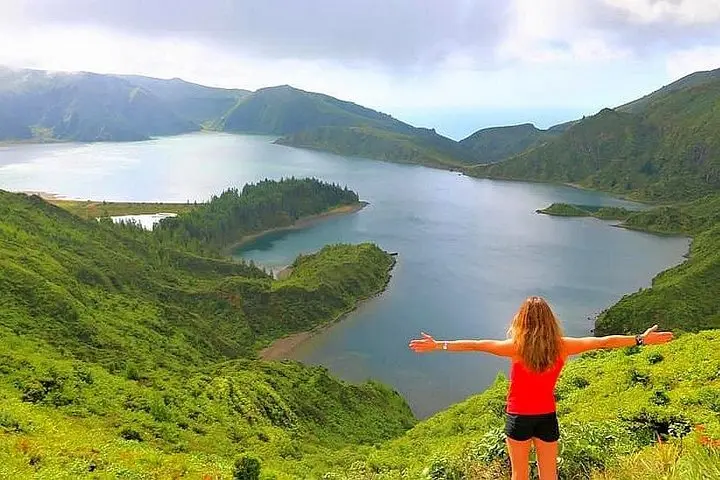
This private, full-day itinerary across western São Miguel is less about ticking boxes and more about moving through a landscape that still feels, in parts, like a laboratory for how islands are made. The tour stitches together big moments: Sete Cidades and its rim trails, the hush and thermal drama of Caldeira Velha’s warm waterfalls, the sweeping, uncluttered shorelines of Lagoa do Fogo, the tidy colonial facades of Ribeira Grande, and the odd, charming greenhouses that house São Miguel’s famed pineapples.

Geology is the tour’s silent narrator. São Miguel is the largest island in the Azores archipelago and a product of volcanic processes that continue to shape its topography. Caldera rims, crater lakes, fumaroles, and terraces tell the story of successive eruptions and slow, patient reshaping. When you stand on the Sete Cidades rim the scale makes practical sense: eruptions carve amphitheaters, rain and time carve terraces, and people plant modest gardens in the richer soils left behind.

Culture threads its own modest arc through the day. Ribeira Grande, the island’s second-largest town, offers a short lesson in Azorean life: a mix of Atlantic fishing traditions, Portuguese colonial architecture, and a resilient island culture that’s at once inward-looking and outward-facing. The greenhouses that house the island’s pineapples — a surprising sight for anyone who associates pineapples with tropical beaches — speak to a local ingenuity. These pineapples, tended under glass and harvested in small quantities, are an Azorean specialty with a history stretching back to the 19th century.

The tour’s practicality is part of its charm. It’s scheduled as an 8-hour private outing, with pick-up in Ponta Delgada between 9:00 and 9:20. This gives you time to take easy walks (most stops involve short, well-graded paths and viewpoints) plus one option for a longer leg: a moderate hike at Lagoa do Fogo if you want to stretch your legs and see the lake from below. Expect easy access for most travelers, with the kind of hidden edges that reward a little curiosity — a tucked-away thermal pool at Caldeira Velha, a viewpoint where seabirds wheel, a pineapple seller offering a slice that tastes like concentrated summer.

Practicalities matter on an island where weather can change on the hour. Layering matters, and so does timing: mornings often deliver clearer light at the calderas and quieter parking lots, while afternoons can bring marine cloud inland and a softer color to the lakes. The private nature of the tour means your guide can adjust stops and pacing, which is worth the premium price — the tour typically starts from Ponta Delgada and lasts a full day (about eight hours), and the cost reflects a door-to-door private experience.

For planners: footwear should be grippy and sensible, not fashion sneakers. Bring a waterproof shell, because a puff of Atlantic rain can appear without ceremony. Hydration is straightforward — bottled water or a refillable bottle will do — but bring snacks if you prefer not to rely on town stops. Cameras should have a wide lens and a polarizer; the lakes and ocean respond beautifully when glare is tamed.

Local guides add texture you won’t find in guidebooks. Ask about where to taste the pineapple (the greenhouse stands sometimes sell fresh slices), which tides reveal hidden rock pools, or where to get a quick coffee and massa sovada in Ribeira Grande. Good guides will also keep an eye on crowds and weather and suggest swapping the order of stops to make the day feel less like a checklist and more like a coherent walk through a volcanic story.

For anyone deciding whether to book: this tour is ideal for travelers who want a concentrated, private introduction to São Miguel’s western highlights with minimal transit stress and the chance for short, meaningful walks. It’s not a wilderness expedition; it’s a curated movement through dramatic geology, living culture, and accessible nature.

At day’s end, the island doesn’t reveal everything. There are other valleys, tea fields, and thermal towns further east to explore on another trip. But if you want a day that lines up big vistas, hot springs, a touch of local agriculture, and the calm rhythm of island life, this private tour is a practical and scenic way to assemble those experiences into a single, memorable day.
Duration8 hours
Group Size1–5 Guests
LanguagesEnglish
Plan your visit

Trail Wisdom

Layer for rapidly changing weather

Bring a breathable windproof and a midlayer; coastal fog and inland sun can alternate in an hour.

Comfortable, grippy shoes

Trails and viewpoints range from paved to muddy; ankle support and traction help.

Carry a refillable water bottle

Water stops exist in towns but a bottle keeps you hydrated during viewpoint breaks.

Bring a polarizing filter for photos

It reduces glare on lakes and deepens sky color for dramatic shots.

Local Knowledge

Hidden Gems

  • Miradouro da Boca do Inferno for a quieter Sete Cidades vantage
  • The small thermal pools at Caldeira Velha away from main bathing areas

Wildlife

Common tern and gull species along the coast, Atlantic-breeding seabirds and occasional raptors

Conservation Note

Many of the island’s lakes and calderas are protected under Natura 2000 and local regulations; follow trails, don’t feed wildlife, and avoid disturbing thermal features.

São Miguel’s human story runs alongside its volcanic history: villages grew in sheltered calderas and valleys where rich soils permitted agriculture and unique crops like greenhouse pineapples.

Seasonal Guide

spring

Best for:Wildflowers, Moderate temperatures, Fewer crowds
Challenges:Unstable weather, Occasional rain

Spring brings fresh green slopes and wildflowers; expect variable weather and the occasional shower.

summer

Best for:Clear light at viewpoints, Warmer water for thermal pools, Full services in towns
Challenges:Higher visitor numbers, Stronger sun

Summer is the most reliable for dry weather and long daylight, but popular sites are busier.

fall

Best for:Crisp air, Soft light for photography, Thinner crowds
Challenges:Shortening days, Cooler sea breezes

Autumn offers dramatic skies and quieter trails, with cooling temperatures toward late season.

winter

Best for:Storm-watching from sheltered viewpoints, Lower prices, Lush landscapes
Challenges:Frequent rain, Rougher seas and wind

Winter is wild and green but wetter; many services continue, and the island feels quieter and more elemental.

Photographer's Notes

Shoot early morning or late afternoon for golden light at Sete Cidades; use a polarizer to reduce water glare and deepen skies; include foreground elements (stone walls, hydrangeas, a pineapple greenhouse frame) for depth; when photographing thermal areas, use slower shutter speeds for silky water but beware slippery rocks.

What to Bring

Waterproof jacket

Essential

Protects against sudden Atlantic showers and wind.

Sturdy walking shoes

Essential

Good traction for viewpoints, volcanic soil, and damp trails.

Daypack with water and snacks

Essential

Keeps essentials handy during short stops and optional hikes.

○

Polarizing filter or sunglasses

Reduces glare on lakes and enhances color in photos.

Common Questions

How long is the tour and where does it start?

This is an approximately eight-hour private tour that begins with pickup in Ponta Delgada (hotel pickup between 9:00–9:20) or at the Ponta Delgada tourism office if you’re staying elsewhere.

What sites are included?

Typical stops include Sete Cidades (twin lakes and viewpoints), Lagoa do Fogo, Caldeira Velha thermal waterfall, Ribeira Grande, and the pineapple greenhouses.

Is the tour suitable for children and older travelers?

Yes — the tour is private and can be paced for children and older travelers, with mostly short walks; inform the operator if mobility assistance is needed.

Are entrance fees included?

The tour price may not include modest entrance fees at some sites (for example, Caldeira Velha); check the booking details or ask your guide on the day.

Can I hike more on the route?

Yes — there’s an optional moderate hike at Lagoa do Fogo if you want an extended walk; otherwise stops are short viewpoint walks.

Do I need to bring cash?

Bring a small amount of cash for snacks, pineapple purchases, and small entrance fees, though most places accept cards in Ponta Delgada.

What to Pack

Waterproof jacket for sudden rain, sturdy walking shoes for uneven terrain, refillable water bottle for hydration, camera with polarizer for lake and coastal shots

Did You Know

São Miguel is the largest island in the Azores and the pineapple greenhouses produce the locally prized 'Ananás dos Açores,' a specialty cultivated under glass since the 19th century.

Quick Travel Tips

Book morning pickup to maximize clear light; reserve Caldeira Velha visits early to avoid crowds; carry small cash for greenhouse pineapple samples; wear layered clothing for coastal and inland conditions

Local Flavor

After the day, head to Ponta Delgada’s harbor-side tascas for grilled fish or try a slice of fresh greenhouse pineapple; in Ribeira Grande look for small cafes serving massa sovada and strong Portuguese coffee to round out the island experience.

Logistics Snapshot

Closest airport: João Paulo II Airport (PDL) in Ponta Delgada / Typical pickup: hotel or tourism office in Ponta Delgada (9:00–9:20) / Driving time to Sete Cidades: ~30–40 minutes from Ponta Delgada / Cell service: generally good in towns, patchy in remote caldera bottoms / Permits: none required, though small entrance fees may apply at certain attractions

Sustainability Note

Many lagoons and calderas lie within Natura 2000 protected areas—stay on marked paths, pack out trash, and avoid touching thermal features to minimize impact.

Topics

Included

  • All fees and taxes
  • Transportation in a private vehicle
  • Pick-up and drop-off
  • Entrance tickets
  • Professional licensed guide

Good to Know

  • Travelers should have at least a moderate level of physical fitness
  • Don’t forget to bring warm clothes and raincoat (weather conditions change quickly in the Azores and are worse at high viewpoints). Sturdy shoes (tour requires short walks on the ground floor) and sunblock.