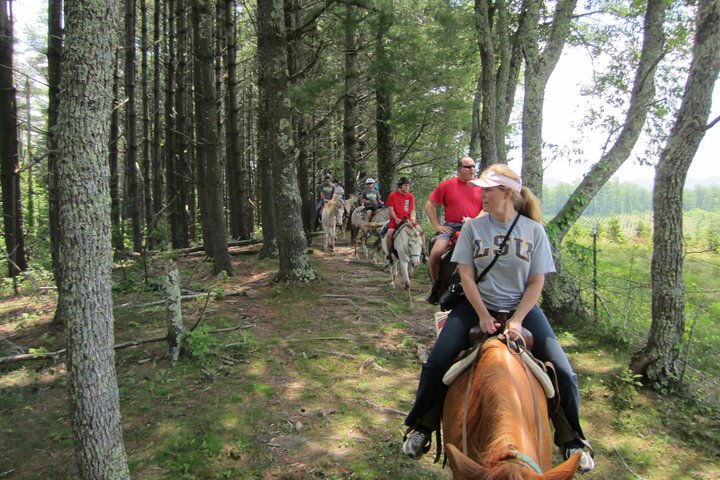
Chasing Daylight: A Privately Guided Sunset Hike in Asheville’s Blue Ridge

Chasing Daylight: A Privately Guided Sunset Hike in Asheville’s Blue Ridge

Golden hour, dialed: short trails, big views, and a starlit walk back to the car.

Continue Reading

The last light unspools across the Blue Ridge like a slow-breathing tide, gilding ridgelines and turning the valleys the color of ripe peaches. You arrive at the trailhead as the day exhales—warm asphalt giving way to cool, pine-scented earth—and follow your guide into the trees. The trail is a soft ribbon of roots and rock, a steady cadence toward a west-facing perch chosen not for social media clout, but for how it holds the horizon just right. In Asheville, sunsets don’t just happen. They perform. And tonight, you have front-row seats.

This privately guided sunset hike balances hush and hum. There’s the hush: breezes combing through rhododendron tunnels, the sudden quiet when the forest listens with you. And there’s the hum: an easy pace that still lifts the heart rate, the gentle chatter of a small group, the guide’s measured updates on timing so you catch the most saturated minutes of golden hour. You choose your adventure—either a 3-mile easy-to-moderate route or a 2-mile moderate-to-challenging climb—both within about a 30-minute drive of downtown Asheville. The meet-up is simple: gather at the outfitter’s downtown office, check headlamps, confirm snacks, and roll out convoy-style. Transportation isn’t included by default (it can be added for a fee), but the guide handles the timing and the route so the logistics fade into the background.

The Blue Ridge Mountains are old—some of the oldest on the planet—weathered from ancient peaks into layered waves. Even a short trail here reads like a natural anthology: mica-flecked soil, oak and birch coauthoring the canopy, mountain laurel standing guard along the switchbacks. If you’re lucky with altitude and season, you might catch the rhododendron’s late-spring blush or the fiery drama of October’s hardwoods. And as you near the overlook, the ridge itself seems to lean in, urging you onward for the show.

Asheville has always had a thing for edges, for thresholds where one world tips into another. The Blue Ridge Parkway, born of New Deal ambition in 1935, just skims the city’s rim, offering a string of overlooks that stitch together history, geology, and road-trip myth. But the best shows happen a few steps off the pavement. Your guide steers you to a viewpoint with clean sightlines to the west—far ridges fading to denim, the French Broad River threading silver through the lowlands. The sun, cocky and kind in equal measure, throws color at the landscape. It dares you to stay for the afterglow, the deep indigo when ridges turn to cutouts and the first stars lift their lanterns.

The culture of Asheville trails into the woods with you. This is the kind of city where breweries name beers after balds and gaps, and where chefs happily lean into Appalachian staples—corn, trout, mushrooms, wild greens. The city sits on ancestral Cherokee land; the Cherokee knew these hills as Shaconage, the Land of Blue Smoke, for the blue haze that rises when trees exhale their oils. If the parkway and Pisgah National Forest are Asheville’s shared front yard, then these sunset hikes are the community porch: a place to watch the day soften and feel the mountains remind you to be small and awake.

Practical is part of the poetry here. The entire outing runs about 4–5 hours including travel time, tuned precisely to the day’s sunset. Headlamps are provided (you’ll hike back in the dark) and snacks are included to keep the legs lively. You’ll want to bring water—at least a liter per person—and a light rain shell; weather in the Southern Appalachians shifts quickly and rain loves to arrive unannounced. This trip runs rain or shine, with safety as the throughline; if severe conditions roll in, your guide will reschedule or cancel. Footing is classic Pisgah: hard-packed dirt, occasional rock steps, and enough roots to keep your stride honest. Expect 400–1,000 feet of elevation gain depending on the route.

The descent is its own small adventure. The forest flips the switch to nocturne, and your headlamp carves a neat cone of light through the underbrush. Barred owls exchange questions in the treetops. The trail, steady and sure after dark, seems to nudge you forward. Gravity helps, and the guide’s pace protects knees and ankles from over-eager sprinting. By the time you reach the cars, night has settled properly and the city’s glow hums on the horizon.

This is the kind of experience that fits into almost any Asheville itinerary. Fly in, spend the day tasting the city’s artistry—coffee roasted with near-religious focus, galleries that lean local—and then lace up for the evening. Or make it the capstone to a weekend of rivers and ridges: paddle the French Broad in the morning, wander the River Arts District by afternoon, hike into the light show by dusk. However you stack it, the mountains return more than they take.

A few final notes for planners. Good trail shoes will make your night. A lightweight puffy or fleece earns its keep once the sun slips, even on warm days. In summer, throw in bug spray; in winter, pack a hat and gloves. If fall is your season, arrive early on weekends—parking near popular trailheads can fill as fast as the colors change. And remember the rhythm: arrive hydrated, eat a little before you start climbing, and save time for that quiet minute at the top when you let the view do its work. The sun will set with or without you; the choice is whether you’ll meet it on a mountain.

In the Blue Ridge, time behaves differently at dusk. The day doesn’t end; it recedes, like tidewater withdrawing to gather itself for tomorrow. On a privately guided sunset hike, you step into that rhythm—one foot after the other, color by color—until night opens its hand and the trail leads you home.

Duration4–5 hours total (including transportation time)
Group Size1–6 Guests
LanguagesEnglish
Rating5.0 (4 reviews)
Plan your visit

Trail Wisdom

Layer for the Afterglow

Temperatures drop fast after sunset—pack a light puffy or fleece even on warm days.

Footing First

Expect roots and wet rock; wear trail shoes with real tread and keep a careful pace in the dark.

Hydrate Before You Climb

Drink water before arrival and carry at least 1 liter; there are no reliable sources on the trail.

Beat the Rush

Fall weekends can crowd popular overlooks. Arrive early and carpool when possible.

Local Knowledge

Hidden Gems

  • Craven Gap on the Blue Ridge Parkway for a quieter golden hour ridge stroll
  • Beaver Lake Bird Sanctuary at dawn for birds and mirrored water reflections

Wildlife

Barred owl, White-tailed deer

Conservation Note

Stay on established paths to protect fragile high-elevation plants and pack out all trash. These ecosystems recover slowly from trampling and litter.

The Blue Ridge Parkway, begun in 1935, was a New Deal project that linked Shenandoah National Park to Great Smoky Mountains National Park and shaped Asheville’s outdoor culture.

Seasonal Guide

spring

Best for:Wildflowers, Cool hiking temps
Challenges:Unpredictable rain, Muddy sections

Rhododendron tunnels green up and temps hover in the comfortable zone. Pack a shell and expect soft, damp trails after showers.

summer

Best for:Lush forests, Long golden hours
Challenges:Humidity, Bugs

The canopy is full and sunsets linger. Bring extra water, bug spray, and plan for a warm climb followed by a cooler descent.

fall

Best for:Peak foliage, Crisp, clear views
Challenges:Busy trailheads, Quick temperature swings

Color season delivers exceptional sunsets and cooler air. Parking fills fast—arrive early and layer up for the after-sunset chill.

winter

Best for:Clear skies, Low crowds
Challenges:Icy patches, Biting wind on ridges

Leaf-off views and sharp horizons reward those who brave the cold. Traction devices may help on icy mornings and evenings.

Photographer's Notes

Arrive 30–40 minutes before sunset to scout foregrounds—weathered logs, trail curves, and rock outcrops add depth. Shoot bracketed exposures to handle the bright sky and shadowed forest. A 24–70mm lens covers sweeping scenes; a 70–200mm compresses ridges into layered abstracts. As blue hour deepens, drop ISO to reduce noise and use your trekking pole as an improvised monopod. On the hike out, try a long exposure with headlamps for luminous trail lines.

What to Bring

Waterproof/Breathable Rain Jacket

Essential

Mountain weather shifts quickly; a light shell keeps you dry during passing showers.

Trail Shoes with Aggressive Tread

Essential

Rooty, rocky sections and night hiking call for confident grip and stability.

Insulating Layer (Light Puffy or Fleece)

Essential

Sunset temps drop fast at overlooks—stay warm while you linger for alpenglow.

○

Compact Trekking Poles

Helpful for balance on steep or slick sections, especially during the dark descent.

Common Questions

How long and how difficult is the hike?

Choose between a 3-mile easy-to-moderate route or a 2-mile moderate-to-challenging route, both within about 30 minutes of downtown Asheville.

Is transportation included?

Transportation is not included by default, but it can be added for an additional fee. Otherwise, you’ll follow the guide in your own vehicle.

What happens if it rains or storms?

The hike runs rain or shine; pack a rain jacket. In the event of severe or dangerous weather, the guide may cancel or reschedule for safety.

Do I need to bring a headlamp?

Headlamps are provided for all hikers. Bring your own if you prefer a specific model, but it’s not required.

Where do we meet?

The group meets at the guide’s office in downtown Asheville before driving to the trailhead.

Are dogs allowed on this hike?

Policies vary by trail and group dynamics; confirm dog-friendly options with the operator at booking.

What to Pack

Trail shoes with solid tread (for roots and the night descent); 1–2 liters of water (no water sources on trail); Lightweight puffy and rain shell (temps drop fast after sunset, showers pop up); Red-lens headlamp or spare batteries (provided headlamps are great, but backups are smart).

Did You Know

The Blue Ridge Mountains are among the oldest in the world—portions of the Appalachians date back over 1 billion years, making their rounded silhouettes the product of immense erosion and time.

Quick Travel Tips

Check sunset time and Blue Ridge Parkway road conditions the morning of your hike; Park nose-out at the trailhead for easier nighttime departure; Eat a light snack 30–60 minutes before hiking to keep energy steady; Download offline maps—cell service can be spotty near ridgelines.

Local Flavor

Refuel at Forestry Camp by Burial Beer Co. for wood-fired plates and small-batch brews, or grab tacos at White Duck overlooking the river. If you’ve got gas left in the legs, stroll the River Arts District studios—glass, clay, and canvas meet just minutes from the trailheads.

Logistics Snapshot

Closest airport: Asheville Regional (AVL), ~20–25 minutes from downtown. Trailheads: typically 20–30 minutes from Asheville, often via the Blue Ridge Parkway or Pisgah NF roads. Cell service: patchy to nonexistent at overlooks—plan meet-ups ahead. Permits: none required for typical sunset viewpoints; parking is generally free, but winter road closures are common on the Parkway.

Sustainability Note

You’re hiking on sensitive Southern Appalachian terrain. Pack out everything, stay on durable surfaces, and keep snacks secured—bears and other wildlife should never associate humans with food.

Topics

Included

  • Snacks are provided. Please notify us in advance of any dietary restrictions.
  • Trekking poles can be provided upon request at no additional charge.
  • Headlamps are provided for all participants to use during the second half of the hike

Good to Know

  • Service animals allowed
  • Suitable for all physical fitness levels