Chasing Waterfalls on the Road to Hana: A Full-Day Adventure Through Maui’s Wild East

Chasing Waterfalls on the Road to Hana: A Full-Day Adventure Through Maui’s Wild East

A full-day, small-group journey along the Hana Highway into Kipahulu’s waterfalls and bamboo forests.

Continue Reading

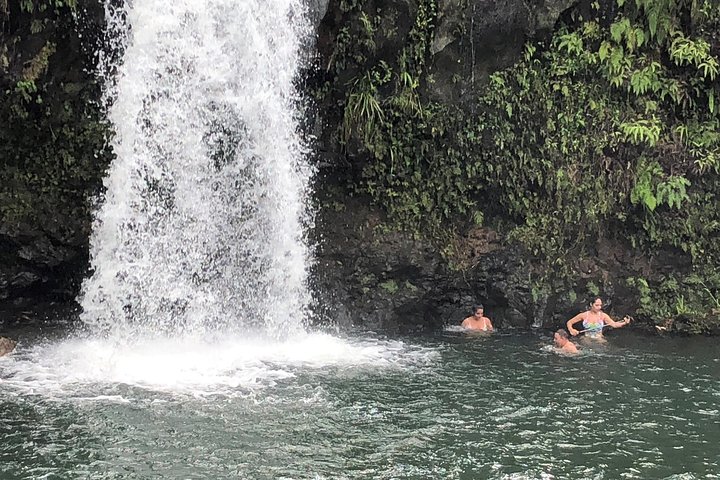
By midmorning the wind off the Pacific smells of green—ferns, wet earth, a distant salt tang—like the island is exhaling. The van eases down hairpin after hairpin on the Hana Highway, each curve delivering another staged moment: a falls dropping into a roadside pool, a surf-battered headland, a lone taro patch that seems to have been growing here for a thousand years. When the pavement thins and the forest tightens into bamboo, the tempo slows. Shoes hit dirt. The day becomes a loop of trails, tide-sliced coast, and the steady, dramatic cadence of water.

The Ultimate Hana Full-Day Adventure Tour is built around that slow unraveling—an 11-hour, small-group push through the famed Hana Highway with focused time in the Kipahulu District of Haleakalā National Park at Ohe’o Gulch (often called Seven Sacred Pools). It’s a classic Maui day that stitches together geology, culture, and a series of waterfalls culminating in a 400-foot cascade and a freshwater system fed by persistent mountain rain. For travelers who want more than a scenic drive—those who want to move through the landscape on foot, feel the spray from falls, and pass through a cathedral of bamboo—this itinerary delivers nonstop photo ops and purposeful hiking.

Geology and culture are inseparable here. East Maui is the windward flank of Haleakalā, where trade winds wring moisture out of the sky. Over millennia that rain carved stream courses into deep gulches and carved basalt terraces; lava flows and softer ash layers defined where water could pond and where it would plunge. Native Hawaiian communities historically used these valleys for cultivation and spiritual practice; the pools and falls are woven into stories and place names, and you’ll see remnants of agricultural terraces and the sense of a landscape that has always been tended and respected.

Hike Maui's Bamboo Forest

The hike in the Ohe’o Gulch/Kipahulu area is compact but rich—roughly 4.5 miles of trail if you include the boardwalks, the Pipiwai Trail through the bamboo forest, and the loop around the pools. Expect moss-slick roots, well-maintained boardwalk sections, and some short, steep pitches. The bamboo grove is the visual highlight: sunlight threads through towering culms and the path becomes a narrow, rustling tunnel. At the end, Waimoku Falls reads like a punctuation mark—sheer, white, and loud against green—dropping about 400 feet into a blind pool below.

Practical note: the tour runs about 11 hours and is priced from $299.65 (as offered by the outfitter). It’s an instant-confirmation experience designed for travelers who want one expertly planned day rather than piecing together rental cars, parking, and local logistics. A full day helps you avoid the worst of the crowds by timing trail access and gives you a local guide who knows which pools are safe to visit, where surf spillover makes the shoreline dangerous, and when to pause for the best light.

For trip planning, think layers and drainage. Even on a sunny Maui morning, the windward side can be wet and cool under the canopy. Trails near the pools get slippery; tread deliberately and carry a pair of quick-drying socks if you plan to swim. Water temperature in the pools is refreshing—perfect for rinsing off sweat, but not tropical warm.

See 400' Waimoku Falls

Safety and etiquette matter here. Keep to marked trails, respect posted swim advisories (currents can be deceptively strong), and don’t climb on unstable rocks near waterfall edges. Cultural respect is part of the experience: many sites are wahi kapu (sacred places), so follow guidance from your guide—leave rituals and offerings to local stewards and avoid walking where signs request that you stay away.

Timing is everything. Start early to catch morning light on the cliffs, and aim for midweek if possible: Hana gets busy on weekends. If you’re driving the road yourself outside a tour, budget more time—every stop is an invitation to pause. For this guided tour, bring a charged phone and extra memory for photos, but expect patchy cell service once you’re in the Kipahulu area.

Who this trip is for: it’s ideal for active travelers comfortable with moderate hiking who want to combine a scenic drive with purposeful time on foot. Families with older kids, couples who love photography, and solo travelers who prefer a guided group will find it rewarding. If you’re looking for a fast, curbside scenic look, this is more than you need—but for anyone chasing waterfalls and stories, it’s the kind of day that makes Maui feel like something discovered rather than simply visited.

Learn about Hawaii's Agriculture

Final thought: the Hana Highway is often billed as a checklist—do it, get the postcard. The better plan is to let it unfold. Move at walking pace in the forest, listen to the water daring you to stand closer, and let the place recalibrate your expectations of what a day on Maui can be: slow, loud, green, and insistently real. With a competent guide, sensible shoes, and a willingness to get a little wet, you leave with photos and a deeper sense of why this corner of the island holds such a slow-power kind of magic.

Duration8–11 hours (tour duration ~11 hours)
Group Size1–8 Guests
LanguagesEnglish
Rating4.9 (60 reviews)

Not recommended for pregnant travelers

Not recommended for travelers with poor cardiovascular health

Not recommended for travelers with spinal injuries

Plan your visit

Trail Wisdom

Start Early

Mornings offer softer light, cooler temperatures, and thinner crowds on trails and at popular viewpoints.

Wear Grippy Footwear

Trails and rocks near waterfalls get slippery—choose shoes with solid tread and quick-drying materials.

Respect Swim Advisories

Local conditions change quickly; heed posted warnings and your guide before entering pools or shorelines.

Pack for Rain

Light rain is common on the windward side—bring a packable rain shell and dry bag for electronics.

Local Knowledge

Hidden Gems

  • Kaihalulu (Red Sand Beach) — a dramatic, lesser-visited fallow of red volcanic sand (access is rugged)
  • Hana Cultural Center & Museum — a small local hub for crafts and history in Hana town

Wildlife

Nene (Hawaiian goose), Native forest birds such as 'i'iwi or 'apapane (seasonally)

Conservation Note

This coastal watershed supports endemic plants and fragile riparian zones—stay on trails, do not collect plants or shells, and pack out all trash to protect native habitat.

Kipahulu and its pools are within Haleakalā National Park’s Kipahulu District; the area contains traditional Hawaiian agricultural sites and culturally significant landscapes.

Seasonal Guide

spring

Best for:Wildflowers and lush forest color, Moderate temperatures for hiking
Challenges:Occasional heavy showers, Higher stream flows making some pools unsafe

Spring brings verdant growth and comfortable temperatures, though the windward side still sees periodic rain and higher stream flows—check conditions.

summer

Best for:Drier weather windows, Long daylight for extended exploration
Challenges:Stronger sun on exposed sections, Crowds on weekends

Summer tends to offer more reliable days and longer daylight, but bring sun protection for exposed coastal stops and expect weekend traffic.

fall

Best for:Less crowded trails, Stable weather windows for photography
Challenges:Variable rain depending on storms, Cooler mornings

Early fall can be an ideal balance of lighter crowds and steady weather; mornings are cool and trails are still green.

winter

Best for:Dramatic surf and high-waterfalls, Off-season travel bargains
Challenges:Increased rainfall and stronger currents, Occasional road closures after storms

Winter delivers powerful waterfalls and surf but also greater risk of heavy rains, flashier streams, and potential road or trail advisories.

Photographer's Notes

Shoot early or late for softer light in the bamboo forest; use a polarizer to cut glare on pools and deepen foliage color; include scale (a person or tree) to convey the size of Waimoku Falls; for long exposures at waterfalls bring an ND filter or use a low ISO and tripod/steady surface.

What to Bring

Waterproof hiking shoes

Essential

Grip and water resistance help on wet boardwalks and streamside rocks.

Packable rain shell

Essential

Windward showers are common; a light shell keeps you dry without bulk.

Water bottle or hydration bladder (2–3L)

Essential

Sustained hiking and warm stretches require consistent hydration.

○

Dry bag or ziplock for electronics

Protect phones and cameras from spray near waterfalls and an unexpected shower.

Common Questions

How long is the hiking portion?

Expect roughly 4–4.5 miles within the Kipahulu/Ohe’o Gulch area if you include the Pipiwai Trail and the loop around the pools; pacing varies with stops and photography.

Is swimming allowed in the pools?

Swimming is permitted in designated areas when advisories are clear, but conditions change rapidly—always follow posted signs and your guide’s instructions.

Do I need a vehicle to join the tour?

No—this full-day tour is designed to include transportation; check pickup points when you book to confirm logistics.

Is the road to Hana safe to drive on my own?

The Hana Highway is navigable but narrow with many curves and one-lane bridges; inexperienced drivers may prefer a guided tour to avoid stress and parking limitations.

Are there restroom facilities on the route?

Yes—there are restrooms at larger stops like the Kipahulu Visitor Center; smaller roadside stops may not have facilities, so plan accordingly.

Will I get cell service on the trail?

Cell service is intermittent in the Hana/Kipahulu area; don’t rely on data for navigation once you leave more populated towns.

What to Pack

Waterproof hiking shoes — traction on wet rock; Rain shell — frequent showers on windward side; 2–3L water — dehydration risk on long day; Dry bag for electronics — protect cameras/phones from spray.

Did You Know

The Kipahulu District (Ohe’o Gulch) is part of Haleakalā National Park and protects native wet forest and cultural sites; the park is split into a summit district and the Kipahulu coastal district, separated by about 40 miles of island terrain.

Quick Travel Tips

Book a guided tour to avoid parking shortages; Start the day early for best light and fewer crowds; Carry cash for roadside stands selling banana bread or fruit; Check National Park advisories for trail or road closures before you go.

Local Flavor

After the hike, look for local banana bread stands and family-run cafes in Hana for coffee and shave ice; visit the Hana Cultural Center & Museum for community exhibits and local crafts—supporting small vendors helps keep tourism benefits local.

Logistics Snapshot

Closest airport: Kahului (OGG); Driving distance: Kahului to Hana ~2–3 hours without stops (the tour includes transportation); Cell service: intermittent in Kipahulu; Permits/fees: Haleakalā National Park entrance fee may apply—check NPS for current rates.

Sustainability Note

Kipahulu’s streams and pools support fragile native ecosystems—stick to trails, don’t remove rocks or plants, avoid single-use plastics, and pack out all trash.

Topics

Included

  • Deli-style Lunch
  • Local guide
  • Snacks

Good to Know

  • Not recommended for pregnant travelers
  • Not recommended for travelers with poor cardiovascular health
  • Not recommended for travelers with spinal injuries
  • Travelers should have at least a moderate level of physical fitness
  • Operates in all weather conditions, please dress appropriately
  • Minimum age is 8 years
  • Minimum numbers apply. There is a possibility of cancellation after confirmation if there are not enough passengers to meet requirements (4 passengers minimum). In the event of this occurring, you will be offered an alternative or full refund.
  • Maximum 8 passengers per booking. For larger groups, please contact supplier directly.