Conquer the Hoodoos: A Guided Walk Through Bryce Canyon’s Navajo Loop

Conquer the Hoodoos: A Guided Walk Through Bryce Canyon’s Navajo Loop

Walk beneath cathedral walls of sandstone and discover how frost and patience built one of Earth’s most photogenic landscapes.

Continue Reading

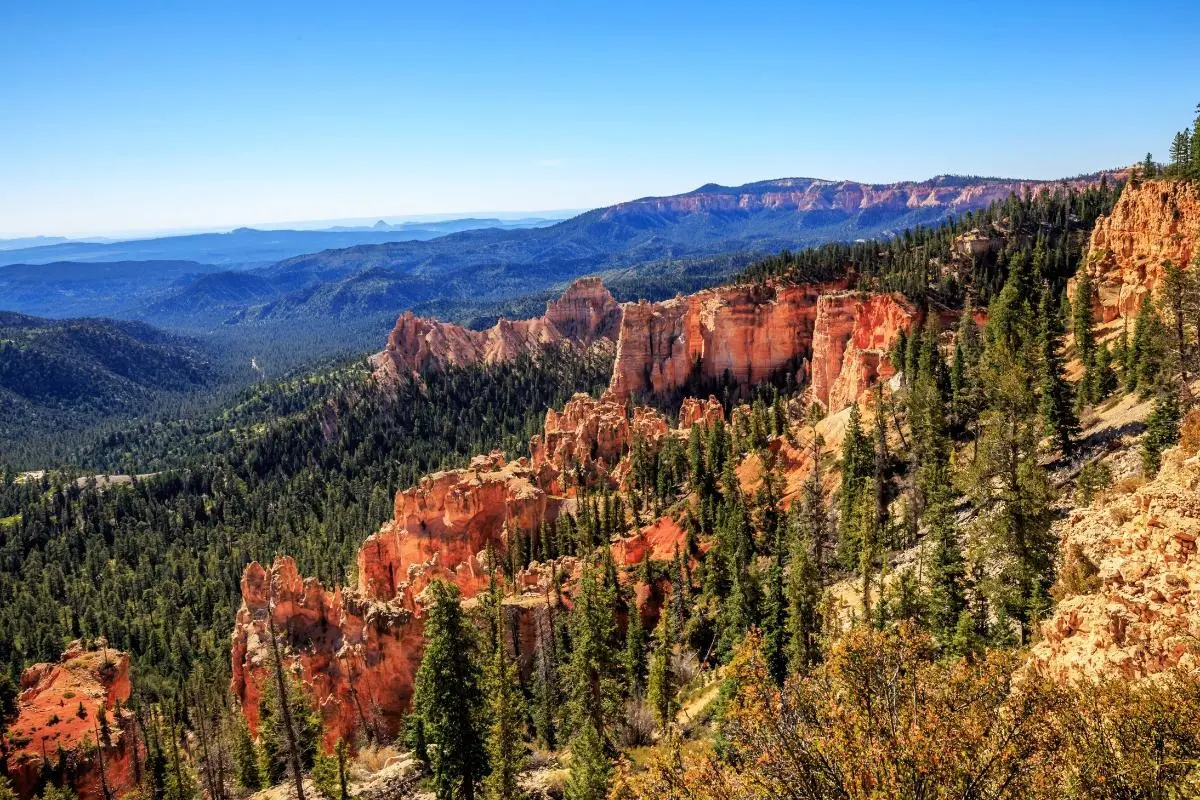
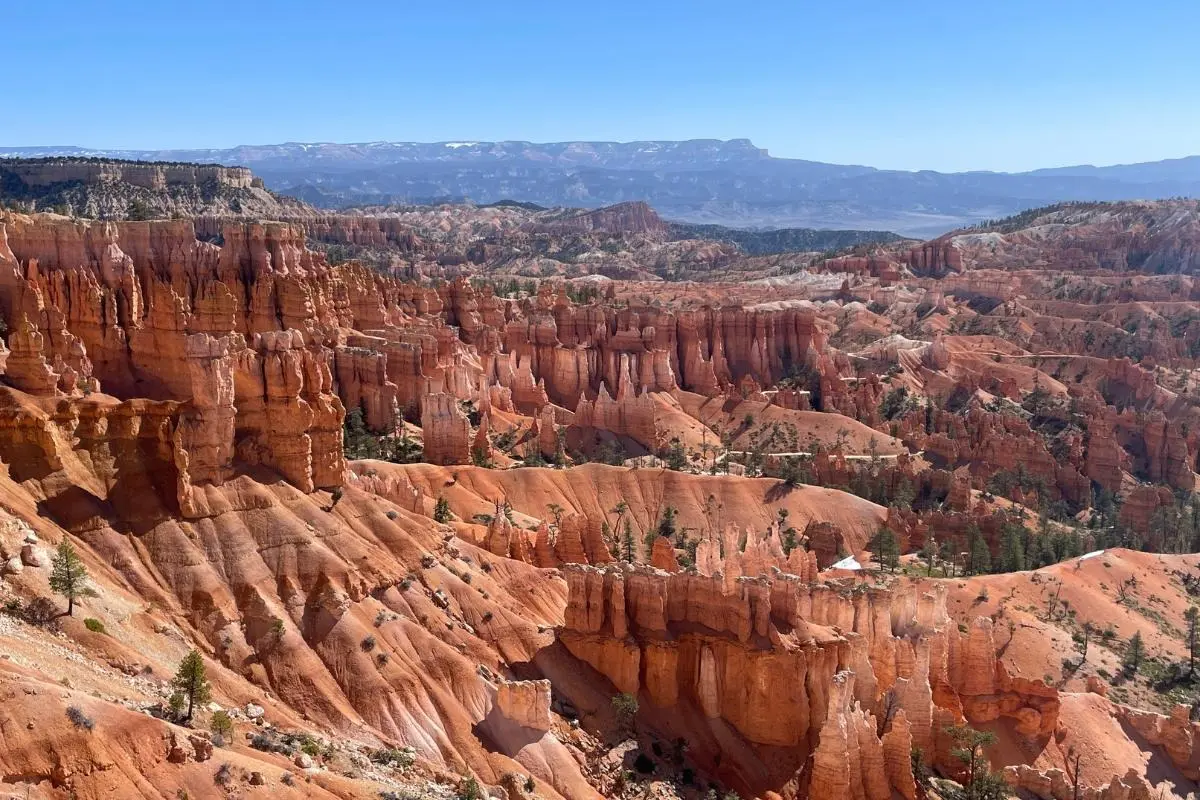
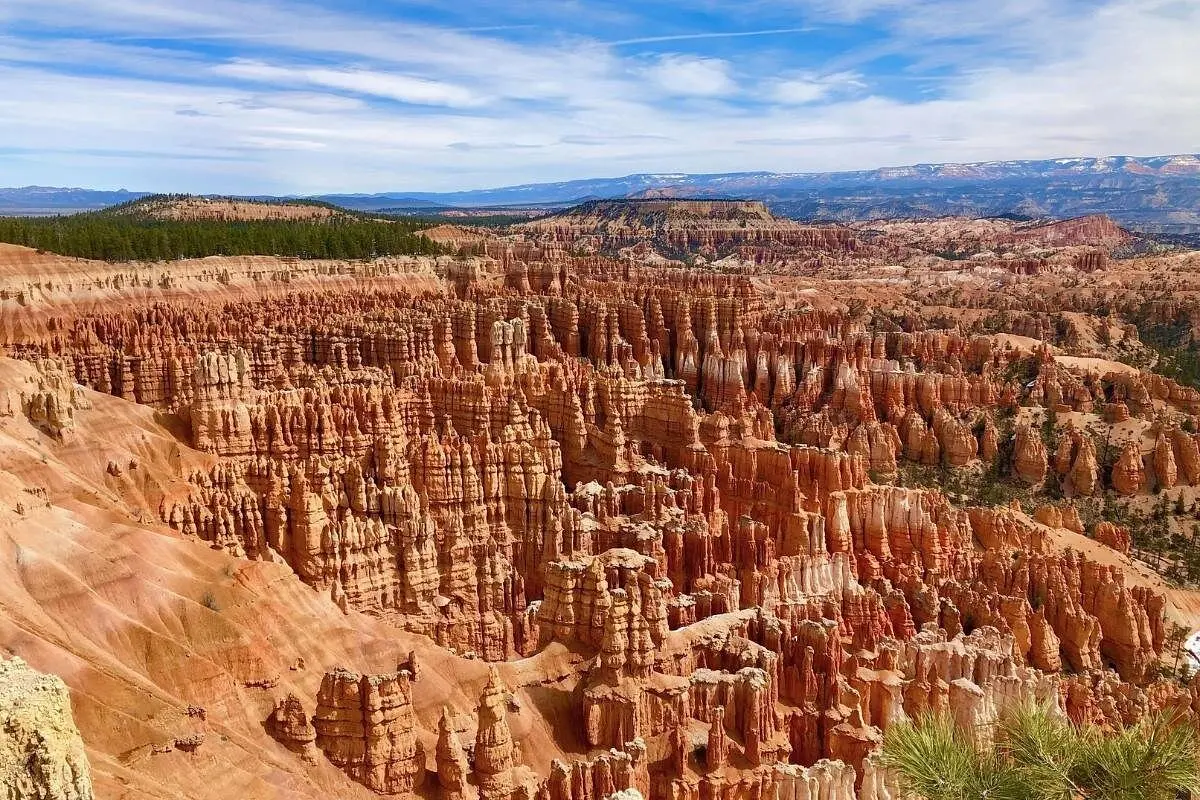
At sunrise the amphitheater exhales—cold air spilling over a thousand spires that catch early light like coins in a fountain. You stand on the rim at Sunset Point, toes on the edge of a landscape that looks carved by a careful, patient hand: rows of hoodoos rise and fall in serrated waves, casting long, clean shadows. The guide checks your group, smiles, and points down the switchbacks where the trail threads between towering orange fins. For the next two and a half hours you won’t just see Bryce Canyon—you’ll move through the forces that made it.

This is the Navajo Loop, one of the park’s signature circuits and the spine of the Bryce Canyon Guided Hike: Conquer the Hoodoos. At roughly 3 miles and with moderate elevation change, it’s the kind of outing that fits a variety of travelers—families with older kids (8+), photographers chasing that perfect backlit hoodoo, and hikers who want a rich dose of geology without committing to a full-day trek. The tour is led by National Park-certified guides who weave natural history into the walk: how frost-wedging pries the rock apart, why the amphitheater tilts and cups the sky, and how the land was shaped by the uplift of the Colorado Plateau more than 60 million years ago.

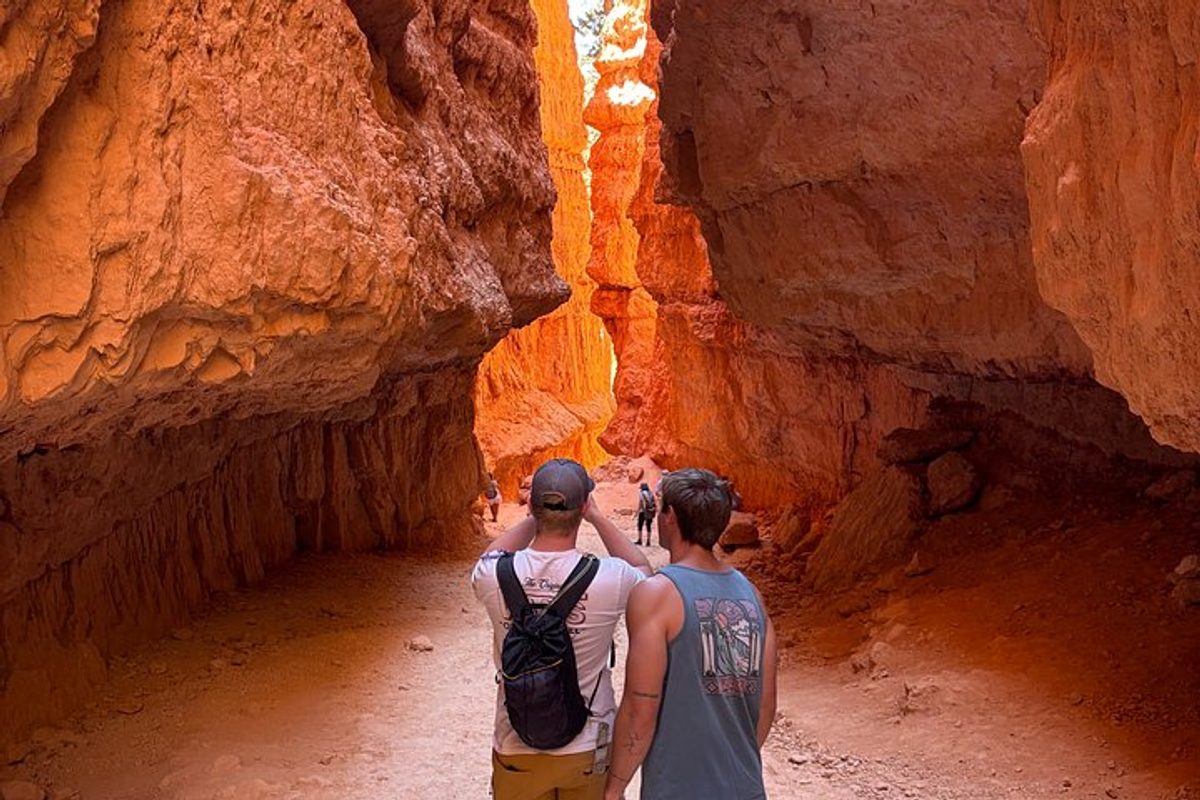
The rocks here have personality. Hoodoos—fanciful, precarious columns—seem to lean and whisper to one another, as if comparing notes about the weather. The amphitheater is not a passive backdrop; it nudges you along, dropping cool, late-morning drafts down into the canyon and sending sunlight in angled ribbons that make every recess look like a miniature cathedral. The Wall Street section tightens the canyon until you are walking under sandstone walls that feel almost cathedral-like—an intimate corridor of light and stone where a breeze becomes an audible presence.

Bryce Canyon’s cultural and human story is compact but resonant. The Paiute people inhabited these landscapes for generations, and early Mormon settlers—most famously Ebenezer Bryce—left names and stories that survive in the park’s placenames. Bryce Canyon National Park was established in 1928, and since then its fragile hoodoos have been both a magnet and a conservation challenge. Guides on the Conquer the Hoodoos hike stress the leave-no-trace ethic: fragile soils, cryptobiotic crusts, and slow-forming rock need protection, and the best way to see them is on the maintained trail.

Geology is the hike’s constant narrator. You’ll learn that hoodoos form where alternating layers of hard and soft rock are differently eroded—soft mudstones wash away faster, leaving harder caps that slow the process in patches. Freeze-thaw cycles are the big sculptor here; water seeps into cracks by day, freezes by night, and wedges the rock apart. Over time, that patient, repeated cracking yields the intricate spires that make Bryce unique—the park contains one of the largest concentrations of hoodoos on Earth.

Practicalities are part of the pleasure. The guided experience runs about 150 minutes, covers approximately 3 miles, and includes shuttle transport from the Visitor Center to Sunset Point. The route takes you through Queen’s Garden and down the Wall Street switchbacks before climbing back out of the amphitheater. Expect stairs, exposed sections, and short steep pitches: the grade is moderate, but altitude—Bryce’s rim sits at roughly 8,000–9,000 feet—can make the walk feel harder.

Timing matters. Early morning or late afternoon light makes the hoodoos glow; midday flattens them. Weather can flip quickly at high elevation, so layers are essential. Guides often pause for explanations and photo stops, and they’ll point out quieter sites nearby—less crowded viewpoints where the formations look freshly minted. The group size is small enough on this tour to keep the experience personal; with a guide narrating the geology and park history, what might be a simple walk becomes an interpretive journey.

For planners: the tour costs from about $138 per person and comes with free cancellation options through the booking provider. Reviews are positive, and the instant confirmation model makes this a good fit for travelers who want to lock in a guided experience without long lead times. If you’re driving in, Bryce Canyon City is the nearest place to stay; Salt Lake City is the main major airport for visitors, though Cedar City is closer by road. Cell service on the rim is patchy—bring directions and expect to rely on printed maps or your guide.

Why book a guided hike here? Because the hoodoos reward a slower, interpretive pace. A guide points out the micro-features—the weird little capstones, the patches of pale algae, the way a runoff channel shaped a mini-arch—that you simply won’t notice alone. They also keep the group safe on steep, narrow sections and help with logistics like shuttle timing. For anyone who wants to understand Bryce beyond postcard panoramas—how it formed, who lived here, and how to move through it responsibly—this guided Navajo Loop is the most efficient, illuminating option.

At the end of the loop you climb back onto the rim and the amphitheater seems both unchanged and utterly new. You’ve walked through a geologic story, compared notes with a prairie dog or two, and learned why light at this latitude can make sandstone sing. You’ve also practiced a gentler kind of tourism: noticing how fragile the formations are, asking the right questions, and coming away with an appetite for more of Utah’s high-desert wonders. If you’re packing for this day, bring good boots, a water reservoir, sun protection, and a warm layer—you will need all four. And if you time it right, the sun will give the hoodoos back their gold as you head toward a diner pie and a cup of coffee in Bryce Canyon City, already planning your next return.
Duration2–3 hours
Group Size1–8 Guests
LanguagesEnglish
Rating5.0 (3 reviews)

Not recommended for travelers with poor cardiovascular health

Plan your visit

Trail Wisdom

Start Early for Best Light

Morning light carves deep contrasts in the hoodoos and the crowd levels are lower—plan to be at Sunset Point for the shuttle's first runs.

Hydrate for Altitude

Bring at least 1.5–2 liters of water per person—the high elevation and dry air make dehydration easy.

Sturdy Footwear Only

Trails include steep switchbacks and uneven sandstone; ankle-supporting hiking boots are recommended.

Respect Fragile Soils

Stay on designated trails to protect cryptobiotic crust and slow-formation features—don’t shortcut switchbacks.

Local Knowledge

Hidden Gems

  • Bryce Point for broad, panoramic sunrise views
  • Mossy Cave Trail (nearby) for a contrasting creek-and-cave micro-landscape

Wildlife

Mule Deer, Black-tailed Prairie Dogs

Conservation Note

Stay on designated trails to protect fragile soils and cryptobiotic crust; the park emphasizes Leave No Trace practices to preserve hoodoos and surrounding habitats.

The park’s amphitheater and many names trace to early Mormon settlers and to Ebenezer Bryce; the site became a national park in 1928.

Seasonal Guide

spring

Best for:Wildflowers, Cooler hiking temperatures, Cleaner light for photos
Challenges:Variable weather, Snow patches at higher elevations, Cold nights

Spring brings thawing landscapes and fresh colors, but expect unstable weather and occasional snow on the rim—dress in layers.

summer

Best for:Long daylight hours, Accessible trails, Family trips
Challenges:Crowds, Intense sun and heat, Afternoon thunderstorms

Summer is the busiest season—start early to avoid heat and storms, and carry plenty of water and sun protection.

fall

Best for:Crisp air and clearer skies, Fewer crowds, Golden light for photography
Challenges:Cool nights, Possible early snow

Fall is ideal: cooler temperatures, dramatic light, and thinning crowds make for some of the best hiking conditions.

winter

Best for:Snow-dusted hoodoo photography, Quieter trails, Crisp, clear air
Challenges:Icy trails, Limited shuttle schedules, Cold temperatures

Winter offers striking contrasts with snow on the hoodoos—expect icy switchbacks and dress for severe cold.

Photographer's Notes

Shoot during golden hour (early morning or late afternoon) for warm, sculpted light; use a polarizer to deepen skies and reduce glare, and carry a wide-angle lens for amphitheater panoramas plus a 70–200mm for isolating hoodoos; brace for wind on exposed rim shots.

What to Bring

Sturdy hiking boots

Essential

Provide ankle support and grip on rocky, sometimes sandy trail surfaces.

Hydration reservoir or 2L water bottle

Essential

Keeps you hydrated in the dry, high-elevation environment where dehydration is common.

Sun hat + sunscreen

Essential

Protects against intense sun exposure on exposed rim and down-canyon sections.

○

Insulating layer (fleece or light puffy)

Useful for cold mornings, windy rim conditions, or sudden weather changes.

Common Questions

How long is the guided Navajo Loop hike?

The tour covers about 3 miles and typically lasts around 150 minutes (2.5 hours), including interpretive stops.

Is this hike suitable for children?

Yes—children aged 8 and up are generally allowed, but consider elevation and trail exposure when deciding.

Are park entry fees included?

Park entrance fees are not always included; confirm at booking—America the Beautiful passes are accepted at Bryce Canyon National Park.

Do I need a shuttle or can I walk from the Visitor Center?

This tour includes shuttle transport from the Visitor Center to the Sunset Point trailhead, simplifying logistics.

How difficult are the switchbacks in Wall Street?

They’re steep and can be narrow, but manageable for most hikers with proper footwear; take your time on the descent and ascent.

What happens if it rains or snows?

Tours may continue in light precipitation—guides will assess safety for icy or severe weather; check cancellation policies when booking.

What to Pack

Sturdy hiking boots (support on switchbacks); 2L water (high, dry elevation); sun hat + sunscreen (strong UV); insulating layer (cold mornings/quick weather shifts)

Did You Know

Bryce Canyon contains one of the largest concentrations of hoodoos on Earth—formed primarily by freeze-thaw erosion of the Paunsaugunt Plateau.

Quick Travel Tips

Arrive before peak crowds; use the included park shuttle; expect patchy cell service; bring cash/card for park entrance or use an America the Beautiful pass

Local Flavor

After the hike head to Bryce Canyon City for pie at Bryce Canyon Pines and a coffee; many local lodges also serve hearty plates and regional beers—perfect recovery after a high‑altitude walk.

Logistics Snapshot

Closest major airport: Salt Lake City (SLC) ~4 hours drive; Closest regional: Cedar City (CDC) ~1.5 hours; Driving distance from Bryce Canyon City: ~10 minutes; Cell service: intermittent on rim; Permits/passes: Bryce Canyon entrance fee required (America the Beautiful accepted)

Sustainability Note

Bryce is an ecologically sensitive area—stay on trails, pack out trash, and avoid disturbing cryptobiotic crusts; respect dark-sky rules after sunset.

Topics

Included

  • Interpretation of geology, history, and wildlife
  • Park recommendations and local tips
  • Local professional guide
  • Small-group experience
  • Guided hike through Bryce Canyon

Good to Know

  • Service animals allowed
  • Public transportation options are available nearby
  • Not recommended for travelers with poor cardiovascular health
  • Travelers should have at least a moderate level of physical fitness