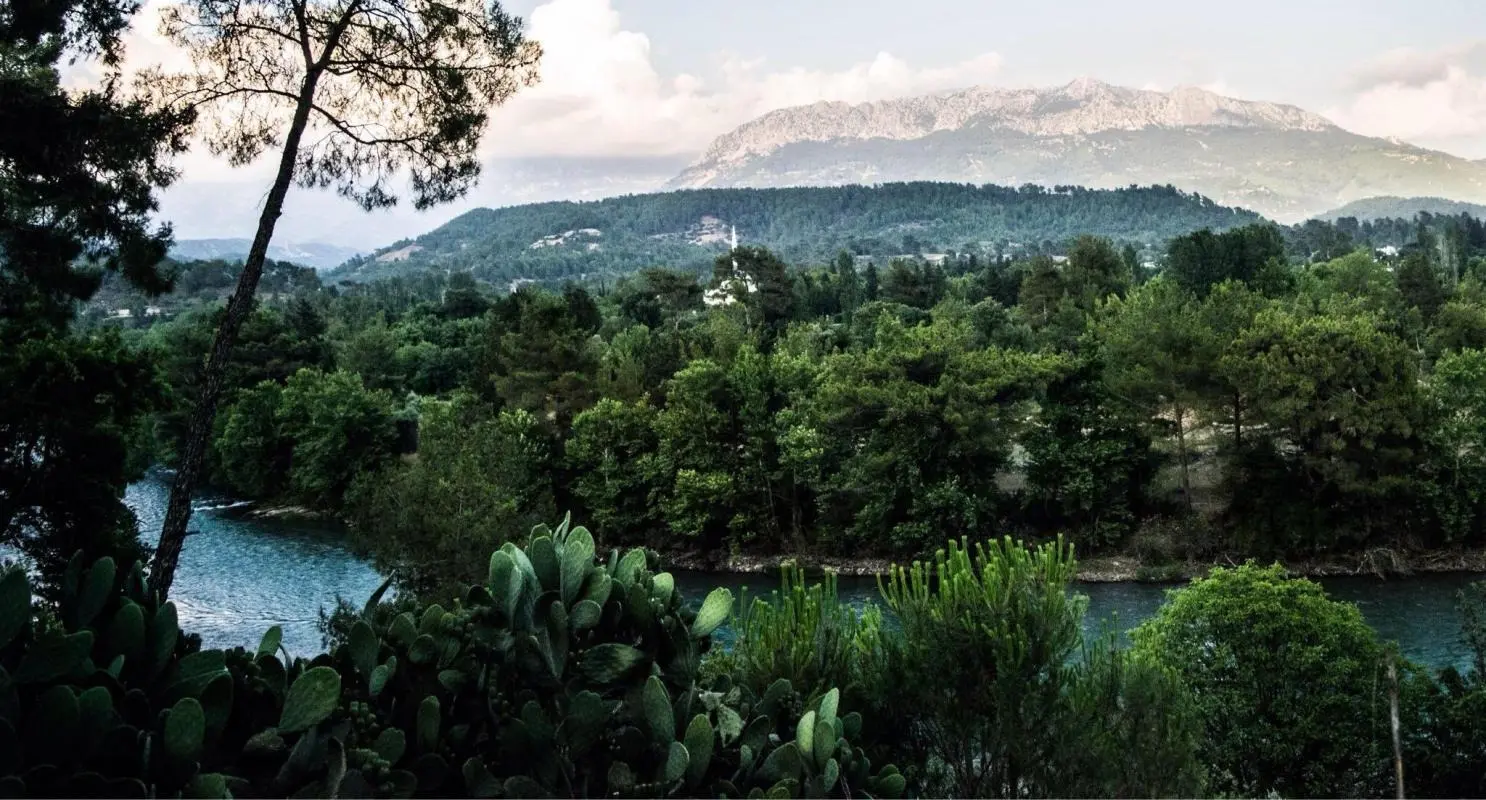
The first time the canyon takes your breath, it isn’t from the exertion—it’s from the drop. You travel a narrow ribbon of road through the Taurus Mountains, pines leaning over like watchful sentries, and then the valley opens: a slice of limestone so raw it looks carved by a sculptor in a fever. Below, the Köprüçay River threads through the gorge, silver and insistent, daring you to step into its current.
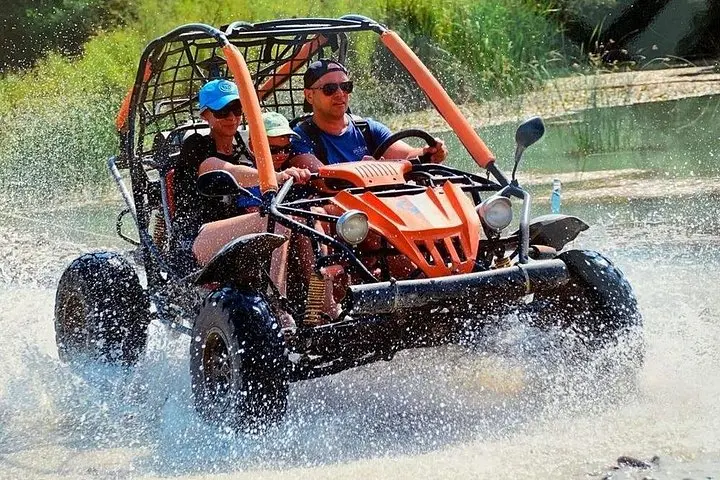
At Köprülü Canyon, the water has personality. It teases with quiet pools, then snaps awake into foamy rapids, pushing rafts and confidence alike forward. Along the canyon rims, the stone keeps its own time—strata and scars that tell a story of river, rain, and the slow work of erosion. You’ll hear that story in the splash of paddles, the snarl of tires on dirt during a buggy run, and the whoop of someone who just let go on a zipline that crosses the gorge’s yawning throat.
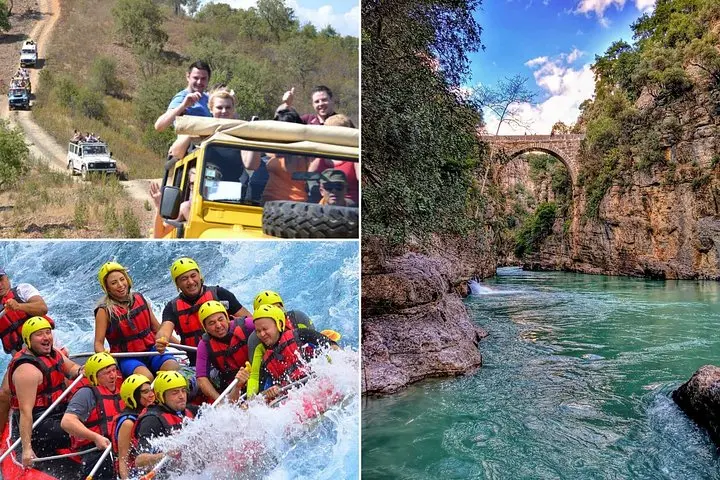
Köprülü Canyon National Park sits roughly an hour to 90 minutes inland from the coastal city of Antalya. The canyon runs for about 14 kilometers, its walls rising as high as several hundred meters in places, and the river has built one of Turkey’s most reliable white-water stretches. Local operators stitch together full-day combos—rafting, buggy or ATV runs, jeep safaris, and ziplines—turning the canyon into a single, breathless itinerary for people who want to pack a lot of nature and adrenaline into one day.
Geology and history here read like a layered adventure guide. The gorge was carved through limestone and marl as the Köprüçay cut down through the Taurus range, exposing terraces of ancient marine rock. It’s a landscape that has steered human passage for millennia—traces of old shepherd trails and village clearings dot the approach roads—and the river itself once marked trade and travel routes into the interior.
Culturally, the region still carries rural rhythms. Small villages tucked into side valleys maintain traditional agriculture—citrus and olives when the slopes allow—and roadside vendors sell gözleme (thin stuffed flatbread) and strong Turkish tea to rafters returning sodden and grinning. The tourism that funnels in from Antalya, Alanya, Belek and Side has grown here without overwhelming the canyon: operators are often family-run, and the day-trips are structured to balance safety with an easygoing, communal energy.
What makes the canyon sing for travelers is the variety. The classic draw is white-water rafting on the Köprüçay: the river runs with a steady flow through a mix of calm stretches and class II–III rapids—enough to thrill novices and keep intermediates engaged. Tours typically offer a rafting section that lasts 1.5–3 hours depending on the launch point, with clear safety briefings and wet-suit or life-jacket provision. Beyond the water, the land-adventure offerings—buggy/ATV excursions and jeep safaris—climb the ridge roads and fire tracks that give you views of the canyon’s scope and a taste of the region’s wild interior. Zipline crossings add a quick aerial jolt, literalizing the canyon’s vertical drama.
Practical edge: most combos are full-day packages that include round-trip hotel transfers from Antalya or nearby resort towns, a buffet or boxed lunch, safety gear, and professional guides. Timelines are tight—arrivals, briefings, and staged activity rotations—so expect an active, organized day rather than a lazy wander.
If you plan to go: timing matters. Spring and early summer bring cool, high flows and excellent rafting conditions. By mid-summer the water warms; flows can be lower but the canyon’s shade and the chance to swim between rapids still make it an appealing escape from the coast’s heat. Come prepared for mixed conditions: you’ll get wet, you’ll get dusty, and you’ll move between water and off-road terrain.
Practical tips that will actually matter on the trail or river: pack a quick-dry set of clothes and a change of shoes, bring a small waterproof bag for camera and phone, and wear a sun hat with a strap—the canyon’s microclimates shift from shaded riparian cool to open, sun-hot ridgelines in minutes. Trust the guides on paddling technique and safety; they read the river the way a meteorologist reads a storm.
For families, there are gentler or shorter rafting options; operators emphasize that earlier sections of the river are calmer and well-suited for kids. For groups chasing more adrenaline, combo tours that stitch together rafting with quad/buggy safaris, jeeps, and ziplines create a hard-to-forget, very full day.
On the conservation side, the canyon’s popularity comes with responsibility. Stay on designated trails, avoid leaving plastic near riverbanks, and pick operators who brief customers on low-impact behavior. The park’s ecosystem is resilient but finite—the river corridor supports endemic plants and a small but vibrant assemblage of wildlife, and human care matters on every visit.
By late afternoon, after paddles are rinsed and helmets hung, the canyon softens into long shadows and the smell of wood smoke or citrus orchards returns you to the coast. You leave with a wet suit to dry and a sharper appetite for mountain air—the kind of day that balances pace with place, adventure with geology, and thrills with an undeniable, quiet respect for a river that keeps carving its story downstream.