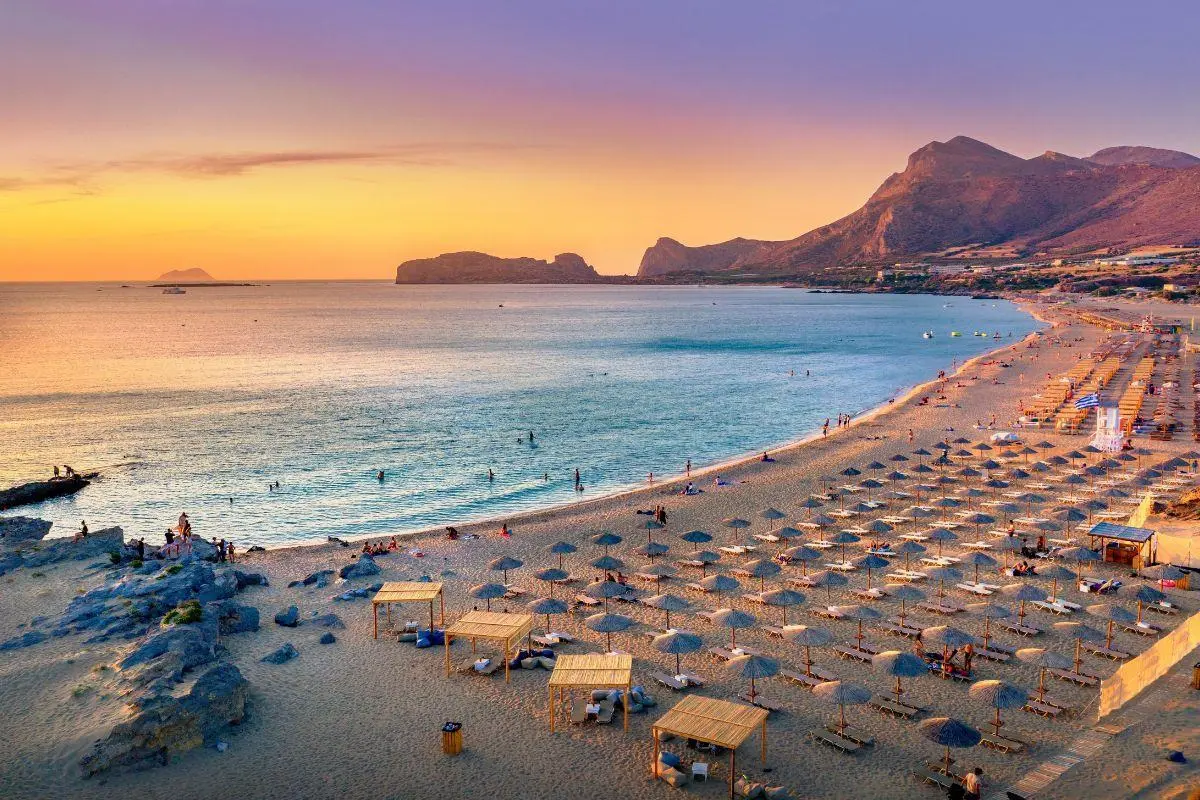
The first impression is the light — the low, clean light of western Crete that turns the sea into a sheet of glass and the sand into something almost luminous. You arrive on the headland road as the coastline opens: broad white beach, wind-sculpted dunes, and a curving bay that looks deliberately designed for long afternoons. Children run near the surf, a lone fisherman mends a line under an umbrella, and small groups of travelers sprawl on towels, faces turned toward a horizon that will, later, set the sky on fire.
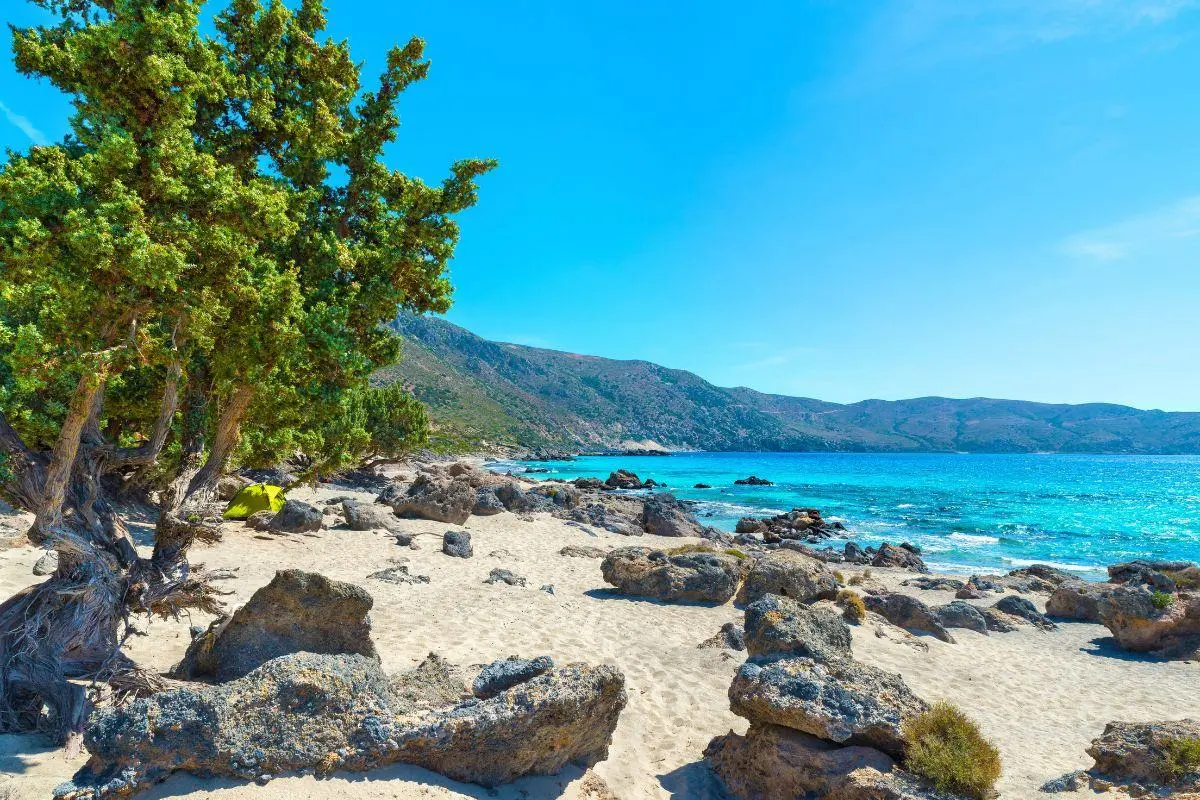
Falassarna (often spelled Falasarna) is the kind of place that resists overstatement. It’s large — one of Crete’s longest sandy beaches — and it wears that scale easily. Walk the length of it and you’ll pass mosaic pebbles, shallow sandbars, and pockets of crystalline water that invite quick dips. Paddle out and the shallows give way to a clear drop-off; for swimmers and snorkelers the underwater visibility feels encouragingly honest. In the late afternoon the western aspect makes Falassarna a sunset theater: the sun slides low and the whole bay becomes a study in copper and rose.
The coastline here has a story as old as many of the islands’ better-known ruins. On the western headland sit the archaeological remains of ancient Falassarna, once a flourishing Hellenistic harbor that controlled trade routes and fishing grounds. Stone terraces and the faint outlines of breakwaters remind you the beach has been a human place for millennia — a working coast as much as a place of leisure. Geologically, Falassarna’s sands are a product of uplifted limestone and eroded shell fragments; the clarity of the water owes itself equally to that geology and to the long, slow absence of urban runoff.
Culturally, the beach is an extension of Cretan life. Nearby tavernas serve grilled fish, slabs of tomato-and-cucumber salad, and local wines with the same unforced pride you find across the island. On organized day trips and private tours, drivers and guides fold in small extras — a stop at Vouves to see the ancient olive tree, a tasting of local extra-virgin olive oil, or a perched viewpoint over Balos Lagoon — so a day at Falassarna often becomes a curated sequence: a morning ride through olive groves, a long swim, and a slow dinner of dakos as the sun goes down.
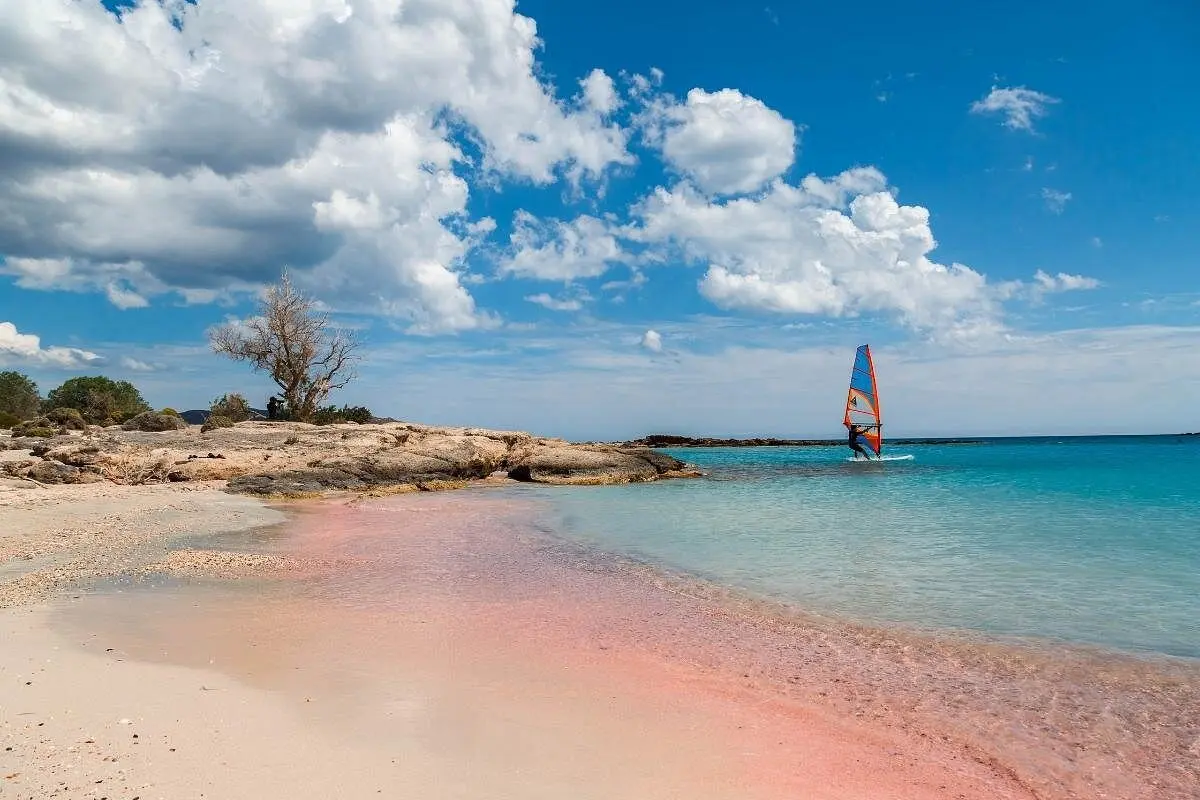
What makes Falassarna special for the traveler is how well it accommodates multiple kinds of days. If you want movement, there are horseback rides that finish on the beach, jeep tours that link Balos and Falassarna by scenic rough track, and a handful of operators who will book windsurfing, paddleboarding, and snorkeling excursions. If you want stillness, there are long stretches of sand for a towel and a book, designated sunbeds and umbrellas for a measured afternoon, and isolated coves if you walk far enough east or west.
Practicality matters here. Falassarna is exposed to northwest winds at times — much appreciated by windsurfers but inconvenient for unprepared sunbathers — so plan mornings for calm water and late afternoons for sunsets. Parking by the main beach is available but fills early in August; consider a mid- or late-afternoon arrival if you want a quieter experience. If you’re combining destinations, private Balos & Falassarna tours or semi-private jeep excursions cut the friction: they handle the rough sections, reserve sunbeds, and often include a local lunch.
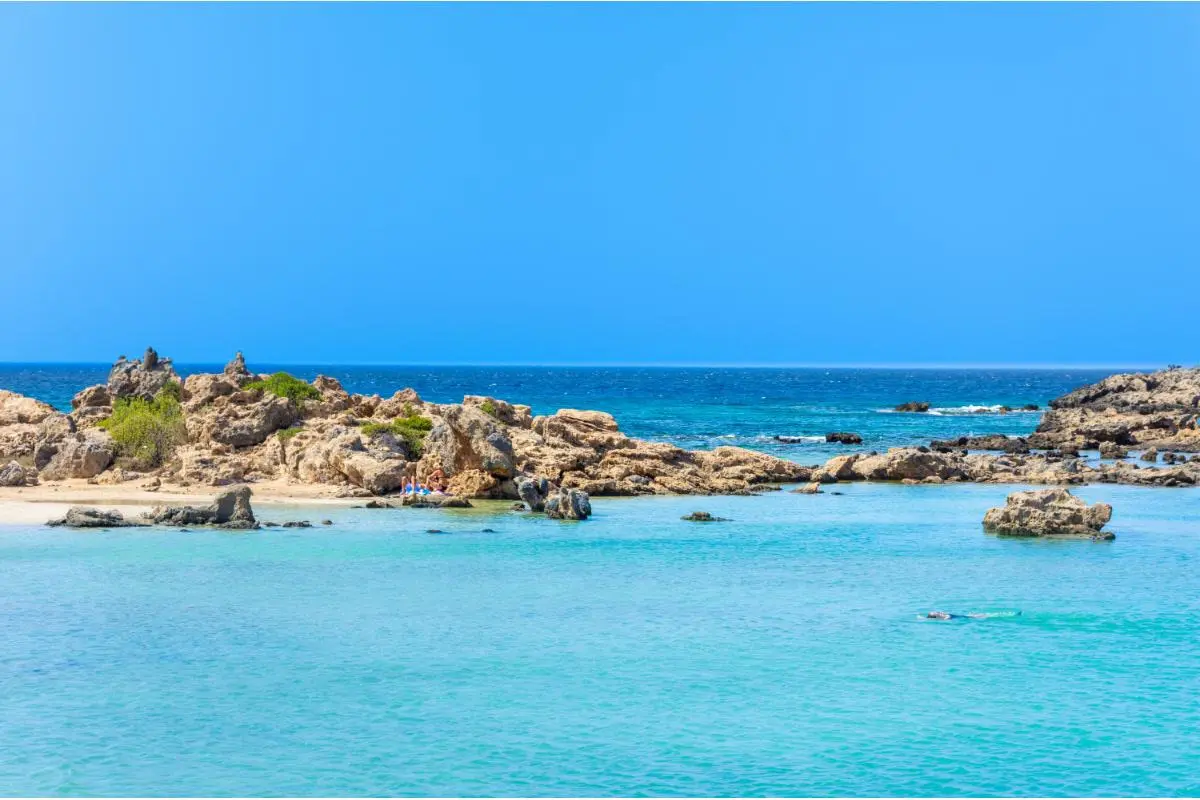
For families, the gradual shelf of the eastern side means safe wading for children; for snorkelers, the rocky outcrops on the headlands are worth exploring for small reef fish and clear photos. Horseback rides that end at the shoreline turn the approach to the beach into something cinematic without being gimmicky — the horses pick their pace, the guide keeps the vibe meditative, and you dismount directly into sea-scented air. For photographers, the light at golden hour is mercilessly good: silhouettes, long shadows, and a sky that rewards patient composition.
Health and safety are straightforward: there’s no lifeguard coverage for the entire length, so keep an eye on children and weaker swimmers; afternoon winds can form chop suddenly. Bring reef-safe sunscreen, a snorkel or mask if you like to scope the shallows, and a lightweight wind layer for evening. If you plan on combining the beach with Balos Lagoon, expect some bumpy roads and a short hike to the most famous viewpoints — comfortable shoes and water are essential.
In short, Falassarna is a place to slow down without sacrificing options. It’s a wide, honest shore: wild at the edges, hospitable in the middle, and beautifully insistent that the day be measured by sun and sea. Whether you arrive by private tour, on horseback, or after a drive from Chania, you’ll find that the beach keeps time on an uncomplicated rhythm — swim, eat, nap, and watch the light change — and that, for many travelers, this is exactly why they came to Crete’s western coast.