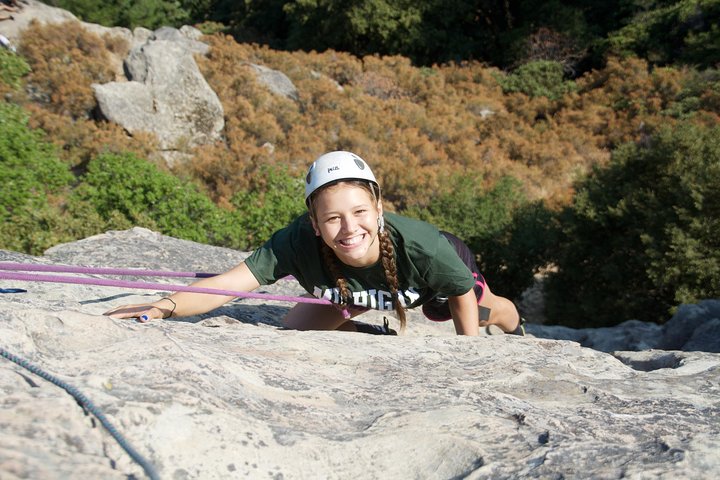
First Lead: Learning to Climb the Bay Area Way

First Lead: Learning to Climb the Bay Area Way

Get vertical in a half-day clinic that turns beginners into outdoor climbers

Continue Reading

You step off the pavement and into a different rhythm — the rock breathes slow and patient, its seams and pockets like a language learned by touch. A salt-laced wind from the Pacific tugs the loose hairs at your neck, and the guide gestures up at a modest face that looks, somehow, both forbidding and inviting. This is a four-hour clinic designed to do one thing simply and well: get beginners onto real outdoor climbs, safely and confidently, while handing over the little rituals that turn gym climbs into trail stories.

The Bay Area is a classroom of contrasts. Within an hour of San Jose, granite slabs yield to softer sandstones and volcanic tuff; redwood-shaded gullies sit beside sun-baked ridgelines. For the new climber that variety is a gift — you learn friction on a shaded slab, trust pockets on warmer rock, and feel the friction of rope on a trad anchor and the closeness that comes from climbing with another person. Guides running these clinics know the terrain and the craft: you get a quick primer on gear, basic knot work, and belay commands, then you climb. The aim is not to summit a towering face but to get hands-on with rope systems and to send your first outdoor route.

Geology here is the teacher behind the rock. The Santa Cruz Mountains and nearby coastal ranges are a mosaic of tectonic collisions, uplifted sediments, and ancient volcanics. That variety creates distinct textures and climbing challenges — grippy intrusions near the coast, blocky cracks where granitic roots were exposed, and steep, pocketed faces carved from compressed marine deposits. For a beginner, this diversity is valuable; you get a sense for how different rock demands different footwork and how weather changes the game. Morning shade can make a previously slick surface good for edging; midday sun can turn a traverse into a test of endurance.

There is history here too. Long before the guide clipped the anchor and gave the safety briefing, the lands were home to Ohlone and other indigenous peoples who read the same ridgelines for food, firewood, and travel. In the last century, climbers from the Bay Area’s burgeoning outdoor community turned these crags into training grounds — not for sport alone but as places of hands-on learning where rope, rock, and judgement are taught in equal measure.

The culture of a beginner clinic is practical and personal. You arrive a little uncertain and leave with names for things you did without thinking: tying a figure-eight, trusting a belay, standing at a base and watching friends move over the lip of a route. The guides will emphasize safety and teach you to read the line. There will be moments of concentrated silence — the soft rasp of shoes on rock, the creak of webbing — and moments of laughter when somebody discovers the joy of a good heel hook.

If you are considering this trip, plan around the small details that make outdoor climbing feel accessible and fun. Hydration and footwear matter more than flash. Bring a layer that you can strip off as the sun finds the rock, and a hat that clips to your harness when you climb. Expect the guides to provide helmets, harnesses, and ropes, but treat them as shared tools: ask questions about care and leave the gear cleaner than you found it. On popular days the crags can feel social; on quiet ones the rock itself seems to watch and wait.

Bay Area Rock Climbing

Practical logistics are forgiving. The clinic runs about four hours, is suitable for total beginners, and is often scheduled to avoid the hottest midday sun. It is an excellent introduction for people who climb indoors and want to transition outdoors, and for active travelers who want a hands-on, taught experience rather than a DIY outing. Pricing reflects guide expertise and included equipment, and the operator typically offers instant confirmation and a straightforward cancellation policy.

Where this experience shines is in the immediacy of learning: within hours you go from theory to movement, from knot-tying to clipping a top rope. That leap — small, precise, and uncanny — is why people return. You will likely leave tired in a different way than a gym workout: the kind of fatigue that says you used balance and tiny muscles you didn’t know existed, and the kind of satisfaction that invites you back.

A final note on responsibility: outdoor climbing is communal and fragile. Follow the guide’s instructions, keep chalk use moderate and brushed, stay on established approaches to limit erosion, and pack out everything you pack in. The Bay Area’s climbing spots are among the region’s shared treasures; treat them like a borrowed tool you intend to hand back in better shape than you found it.

For travelers: this clinic is an ideal half-day adventure to slot into a Bay Area itinerary. Combine it with a morning coffee in San Jose, a late lunch in Los Gatos, or a sunset beer at a coastal lookout. You’ll come away not just with an experience but with a set of skills that belong to the landscape: knot craft, belay confidence, and the knowledge of how to read a line. That, more than a summit photo, is what beginner climbing in this region gives you — a small, practical initiation into outdoor movement and a reason to return.

Duration3–4 hours
Group Size1–10 Guests
LanguagesEnglish

Not recommended for travelers with poor cardiovascular health

Not recommended for pregnant travelers

Plan your visit

Trail Wisdom

Hands-on learning beats watching

Arrive ready to try — guides expect active participation and will teach you knots, belays, and route reading on the rock.

Shoes matter

Bring snug approach shoes or climbing shoes if you own them; they make footholds feel more precise and protect your toes on approaches.

Hydrate early

Start the day with a full water bladder; four hours of climbing and sun can dehydrate you faster than you think.

Protect sun-exposed skin

Use reef-safe sunscreen and a hat that clips to your harness so it won’t fall while you climb.

Local Knowledge

Hidden Gems

  • Castle Rock State Park for short, scenic approaches and varied faces
  • Alum Rock Park for shorter local climbs and pleasant post-climb walks

Wildlife

Black-tailed deer, Red-tailed hawk

Conservation Note

Stay on established approaches, limit chalk use and brush excess, and pack out all trash; small behaviors help prevent erosion and preserve cliff habitats.

The lands around San Jose were inhabited by Ohlone people long before modern climbing; more recently, climbers in the 20th century developed many accessible crags for instruction and recreation.

Seasonal Guide

spring

Best for:Mild temperatures, Wildflower views, Learning techniques in cool shade
Challenges:Unpredictable rain, Mud on approaches

Spring offers cool rock and leafy approaches but keep an eye on forecasts; wet rock is poor for climbing and can be unsafe.

summer

Best for:Long daylight hours, Travel flexibility, Warm rock for friction
Challenges:High heat on exposed faces, Crowded crags

Summer brings dry, grippy rock but plan climbs for morning or late afternoon to avoid high heat and busy parking.

fall

Best for:Stable weather, Comfortable temperatures, Clear views
Challenges:Shortening days, Cooler mornings

Fall is ideal for beginners — rock is stable and temperatures are pleasant; bring a light layer for early starts.

winter

Best for:Fewer crowds, Cool, focused climbing sessions
Challenges:Chill, wet conditions, Limited daylight

Winter climbs can be quiet and satisfying but expect damp approaches and colder rock; clinics may shift locations to drier microclimates.

Photographer's Notes

Shoot low-angle wide shots to emphasize the scale of the crag and to include climbers on route; use a telephoto to compress perspective for action shots, and plan for golden-hour light on west-facing faces; include helmet-mounted POV for movement sequences.

What to Bring

Climbing shoes

Essential

Tighter-soled shoes give better edge sensitivity and confidence on small footholds

Helmet

Essential

Protects against rockfall and accidental helmet strikes during belays and approaches

Water bottle or hydration bladder (2L)

Essential

Enough water to stay hydrated through instruction, climbing, and the return to the parking area

○

Light layering jacket

Keeps you warm during early arrival and while belaying between climbs

Common Questions

Do I need prior climbing experience?

No — this is a beginner clinic designed for people with little or no outdoor climbing background; guides teach knots, belaying, and basic movement.

Is gear provided?

Guides typically provide helmets, harnesses, ropes, and instruction; check the operator notes for shoe policies and bring your own if you prefer.

How fit do I need to be?

Moderate fitness is helpful; expect short hikes and some upper-body work, but routes are chosen for accessibility and teaching value.

Are clinics kid-friendly?

Age restrictions vary by operator; many accept teens with guardian supervision but check the provider policy before booking.

What happens if the weather is bad?

Operators often reschedule or move to more sheltered crags if conditions are unsafe; confirm the cancellation policy when you book.

Can I transition from this clinic to trad or lead climbing?

This course introduces top-rope skills; progression to trad or lead climbing requires additional, specialized instruction.

What to Pack

Climbing shoes or approach shoes for grip; helmet if you own one for comfort; 2 liters of water to stay hydrated; sun protection (hat and sunscreen) to avoid burns

Did You Know

San Jose was founded in 1777 as El Pueblo de San José de Guadalupe and is the oldest civilian settlement in California, now at the heart of Silicon Valley.

Quick Travel Tips

Book morning sessions to avoid heat and crowds; check operator gear lists and arrive 15 minutes early; wear comfortable, broken-in shoes for approaches; leave valuables in your vehicle or hotel

Local Flavor

After a climb, head to San Pedro Square Market for casual bites and local brews or drive to Los Gatos for farm-to-table dining; Santana Row offers lively restaurants and late-afternoon patios for a celebratory drink.

Logistics Snapshot

Closest airport: Norman Y. Mineta San Jose International Airport (SJC); Typical drive from San Jose downtown: 20–60 minutes depending on crag; Cell service: generally good but can be spotty at some crags; Permits/passes: none typically required for guided clinics; operator supplies helmets, harnesses and ropes

Sustainability Note

Climb on durable rock, stay on established trails, use minimal chalk, and pack out all trash; guided clinics reduce environmental impact by concentrating activity and teaching low-impact techniques.

Topics

Included

  • Professional guide
  • Gear
  • All taxes, fees

Good to Know

  • Not recommended for travelers with poor cardiovascular health
  • Not recommended for pregnant travelers
  • Travelers should have at least a moderate level of physical fitness
  • Children must be accompanied by an adult
  • 13 and up ok to attend alone - ages 9-12 must attend with adult (under 9 may not attend)