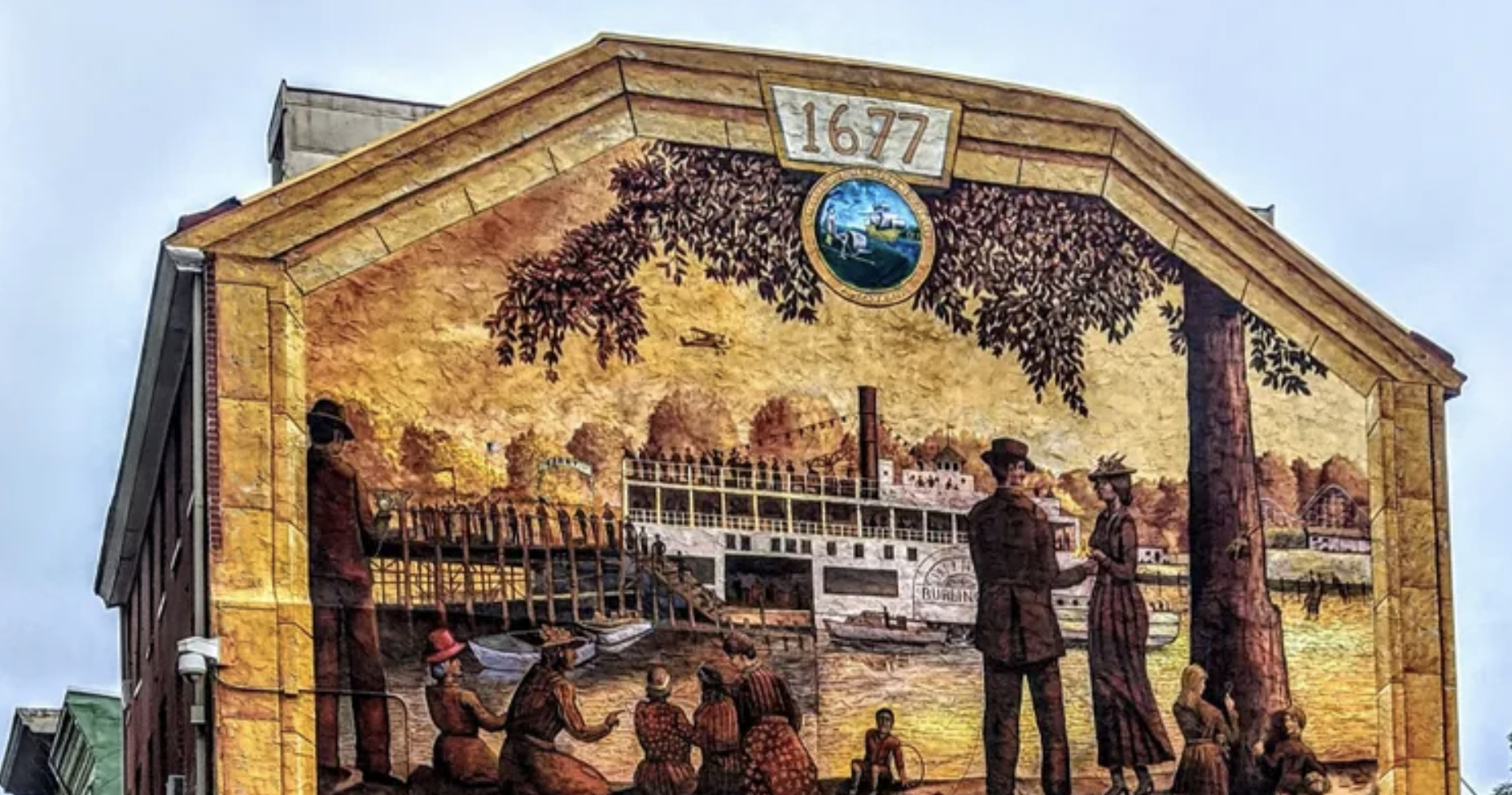
The Delaware River slides past at an unhurried pace, ferrying reflections of brick facades and church spires as if it’s carrying a ledger of the town’s memories. On Burlington’s riverfront promenade, a breeze gathers off the water and nudges you toward High Street, where centuries of stories cling to lintels and cobblestones. This is a one-hour walk, but it feels like time expands: Quaker founders whisper from old meeting houses, a ferry bell rings from imagination, and a guide—cheerful, unhurried—points out the hidden hinge that holds a city’s past together. This is Burlington City, New Jersey, once a colonial capital, always an old soul, best met on its own feet and at street level. The easiest way in is also the most rewarding: the locally guided Historical Walking Tour, an approachable hour of architectural touchpoints, waterfront vistas, and anecdotes that bring the 1600s forward to the present.
You start in the historic core, where brick sidewalks flex gently beneath your steps and cornices preside with quiet authority. The Delaware keeps you company, an old mariner with good stories, and the town’s grid makes navigation simple. The tour’s rhythm is measured: a few minutes of walking, a pause under hemlock shade, a story that stitches together Native Lenape homelands, 17th-century Quaker settlement, and the rise of a river port that helped move ideas and goods between Philadelphia and New York. Burlington’s streets don’t just lead you somewhere—they nudge you into the habit of noticing: the keystone over a doorway, a weathered waterline mark, the subtle lean of a centuries-old home.
Founded in 1677 by Quakers, Burlington quickly became a civic and spiritual waypoint. It served as a colonial capital—an alternating seat shared with Perth Amboy—until Trenton took the honor in 1790. That past lingers in the built environment: meeting houses that prized simplicity over spectacle, churches that tell of growing diversity, and a riverfront whose wide views once read like a shipping manifest. The guide threads in local lore with just enough precision: which founders walked these blocks, which U.S. presidents’ footprints are tied to these streets, and how Burlington Island—leafy and quiet midstream—has morphed through centuries from resource to retreat.
Geology here is softer than the rock-walled drama of mountain towns; the land rolls gently, its soil melding river sediments and coastal plain. That mild topography shaped a city that’s easy to walk. The river takes the starring role, a horizontal horizon line that acts like a compass to newcomers. In summer, the Delaware exhales humidity and pushes heat inland; in winter, it slides cold across the promenade with a firm hand. The tour operates rain or shine, and on drizzly days the brick glows richer, the streets sharpening into sharper relief. If showers threaten, the guides pivot smartly—this is history with a practical streak, not a slog through puddles.
Burlington isn’t just a museum of itself. After the tour, the town unspools further: a circuit of antique shops along High Street, a stroll back to the water for sunset, maybe a pint at a local brewery. Ask your guide for specifics—they’re generous with recommendations. The vibe is neighborly and unpretentious, more handshake than headline. Families appreciate that ages 16 and under join free, and the one-hour format balances attention spans and ambition. It’s long enough to feel substantial, short enough to slip into a day trip. Coming from Philadelphia? It’s an easy hop across the river basin, the city’s skyline dissolving into small-town brick and river light.
The utility of a guided walk is its curation. You could wander these blocks solo and like what you see. But on the Historical Walking Tour, the corners come alive. That house isn’t just pretty—it survived fires, storms, and policy shifts. The promenade isn’t just scenic—it’s a front-row seat to a river that ferried timber, ice, immigrants, and ideas. Architecture gets decoded: why a window sits off-center, how a roofline telegraphs an addition, what a cellar door says about trade. You leave with a mental map of the place and a framework for reading any historic town.
Timing matters. Morning light trims the brick edges crisply and keeps heat manageable in summer; late afternoon rewards with soft gold over the Delaware. Footwear matters too—this is an urban walk, but the surfaces vary. Bring a light layer for the river breeze and a pocket umbrella when skies threaten. The tour is accessible, the pace conversational, and the terrain mostly flat with occasional uneven patches. It’s the kind of hour that reminds you travel doesn’t have to be a big production to be memorable. Stand in one spot, and history drifts by. Walk a few blocks, and the centuries come with you.
The river will keep calling—rivers do—but it’s Burlington’s surface details that stay lodged after the tour: the quiet pride of preserved facades, the tug of a steeple against low clouds, the way the town treats the past as something to live with, not tiptoe around. When you’re ready to put your own footsteps into that long timeline, reserve your spot on the Historical Walking Tour and let the Delaware set the pace.


