Four Hours With the Caribbean: An Afternoon Snorkel Out of Fajardo

Four Hours With the Caribbean: An Afternoon Snorkel Out of Fajardo

Four hours of supervised snorkeling off Fajardo—turtles, stingrays, and family-friendly reef swims

Continue Reading

The sun drops low enough to silver the water and the harbor takes on a hallway of light as the boat eases out of Fajardo. On deck there’s the easy chatter of families, first-time snorkelers tightening masks, and the small, steady routines of a crew that has done this route for seasons. The tour’s promise is straightforward: four hours in a trim, organized window—check in at 1:00, depart by 2:00, back to shore by 6:00—packed with reef swims, talkative guides, and a calming drink after you climb back aboard.

There’s a kind of intimacy to this afternoon escape. The cays and coral heads that speckle the waters off eastern Puerto Rico feel like a string of secret rooms; from the deck you can see them emerge as roofs of living rock and sand. The guides will explain the marine life you see—green sea turtles, stingrays cruising the shallows, and schools of parrotfish that look like moving mosaics—and they’ll jump in with you if you want company underwater. It’s hands-on snorkeling in a family-friendly package: safety-certified staff, flotation aids, and a patient pace that makes it possible for hesitants and confident swimmers to share the same experience.

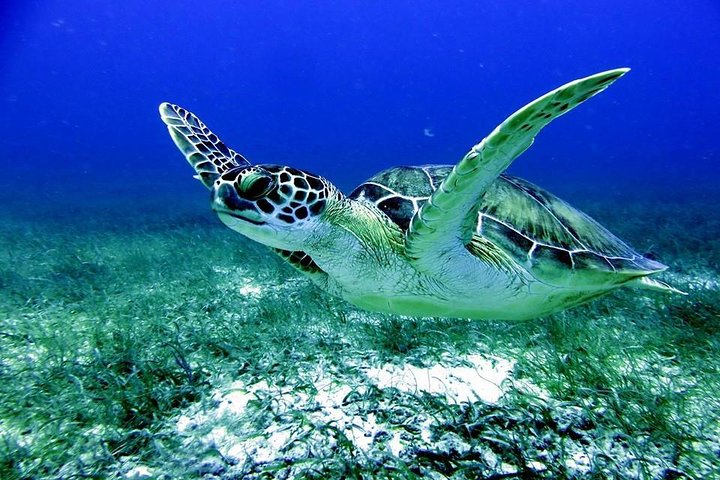
Turtle

Geologically, the cays around Fajardo are coral-built outcrops sitting on the submerged platform of Puerto Rico’s eastern shelf. These reefs and shallow banks are the result of biological architecture—corals, algae, and calcifying organisms—that have grown into the tropical surf over millennia. Historically, these waters were routes and refuges for Taino canoes, later becoming stopovers for fishermen and, more recently, destinations for recreational boaters and conservationists. The marine life you meet is part of a fragile, centuries-old system that is vulnerable to warming seas and careless tourism.

Culturally, Fajardo is a working town with a marina vibe: boat shops, seafood stands, and the late-afternoon rhythm of people heading to the water. Tours like this one are woven into the local tourism economy and often employ bilingual guides from the area whose knowledge blends practical seamanship with local stories—about where turtles tend to feed, which sandbar is best for a quick foot-dip, or which lunch stand serves the freshest empanadillas.

Group getting ready to jump in water to snorkel

On the water, nature exudes personality. The current will nudge and test you, the breeze will carry the spicy scent of algae and salt, and the reef will bustle like a small, self-contained city. The guides don’t just point; they interpret—showing you the subtle behaviors of a feeding parrotfish or the slow blink of a turtle. After a final swim, the boat offers a quiet, convivial decompression: snacks, water, and for those who want it, a cold alcoholic drink served with an eye toward keeping the mood calm and respectful.

Practicalities are refreshingly clear. The trip runs about four hours on the water with a 1:00 p.m. check-in window; arrive between 1:00 and 2:00 p.m. to sort gear and park. The operator recommends basic swimming ability—if you’re unsure, tell the staff; they’re trained to instruct and assist. Bring reef-safe sunscreen, get a light meal beforehand if you’re prone to seasickness, and be ready to follow reef etiquette: no touching coral, no chasing turtles, and minimal kicking near delicate areas. The crew is USCG-approved and CPR/First Aid certified, and the tour allows for vegetarian requests if arranged ahead.

Why book this instead of striking out alone? For easy access to productive snorkel sites and the confidence of supervised swims. For families or mixed-ability groups, it’s an efficient way to see diverse marine life without the logistical lift—no navigation, no anchoring debate, and equipment organized by people who do this day in and day out. For photo-minded travelers, the afternoon light is flattering underwater and above; plan for short snorkel intervals, and let the staff recommend the best spots for clarity and calm.

If you’re planning this as part of a longer Puerto Rico trip, schedule it on a day with lighter plans before and after—the gentle exhaustion after swimming and sun is best spent with a relaxed dinner and a local beer. And leave a little time in your itinerary for Laguna Grande, the nearby bioluminescent bay—one of the island’s unforgettable post-sunset experiences.

This afternoon tour is not an extreme outing; it’s a curated, approachable window into Caribbean reefs. It rewards travelers who want to be in the water more than worrying about logistics, and it demands a small measure of respect: reef-safe products, slow movements around wildlife, and listening to guides. Do that, and you’ll leave with a handful of bright, wet memories: the slow, deliberate blink of a turtle; the tick of a stingray’s wing through sand; the chorus of small fish that part like curtains when you float over them. The sea here asks little more than your curiosity and returns it with spectacle.

Duration4 hours (1:00 p.m. check-in; 2:00–6:00 p.m. tour)
Group Size1–30 Guests
LanguagesEnglish
Rating4.6 (254 reviews)

Not recommended for travelers with spinal injuries

Not recommended for travelers with poor cardiovascular health

Pregnant women are not allowed in the tour

Smoking is prohibited aboard

Coolers or outside alcoholic drinks are not allowed aboard

Please dress family-appropriate and follow the tour boat rules

To snorkel, swimming ability is required. Boat anchors in 15-20 ft deep water for optimal tour experience

Plan your visit

Trail Wisdom

Arrive Early

Check in by 1:00 p.m. so you have time to park, sign waivers, and get fitted for gear—boats leave promptly at 2:00 p.m.

Use Reef-Safe Sunscreen

Apply biodegradable, reef-safe sunscreen before boarding to protect coral ecosystems and avoid applying in the water.

Bring a Rashguard

A lightweight rashguard protects against sun and chafing from life jackets during multiple swims.

Tell Staff Your Comfort Level

Guides will pair assistance and flotation appropriately—mention if you’re a novice swimmer or prone to seasickness.

Local Knowledge

Hidden Gems

  • Explore the quieter sandbars around less-frequented cays for shallow snorkeling and comfortable sunbathing
  • Visit Laguna Grande at night for bioluminescent kayak tours—an iconic nearby experience

Wildlife

Green sea turtle, Southern stingray

Conservation Note

The reefs are fragile—use reef-safe sunscreen, avoid touching marine life or coral, and follow guide instructions to minimize impact.

Fajardo developed as a fishing and maritime hub; the eastern shelf and nearby cays have supported local fisheries for generations and are now ecotourism focal points.

Seasonal Guide

spring

Best for:Calmer seas, Warmer water, Good visibility
Challenges:Occasional rain showers, Crowds on holiday weekends

Spring (March–May) brings warm water and generally calm conditions—ideal for clear snorkeling and comfortable afternoons.

summer

Best for:Consistently warm temperatures, Long daylight, Family vacations
Challenges:Higher humidity, Occasional tropical storms

Summer offers long, hot days and excellent marine life activity but watch hurricane-season weather and midday heat.

fall

Best for:Fewer crowds, Off-peak pricing, Good late-season sea life
Challenges:Increased storm risk in early fall, Variable visibility

Fall can be quieter and agreeable for snorkeling, though early fall sees greater storm probability—buy flexible bookings.

winter

Best for:Cooler, drier weather, Stable seas, Comfortable evenings
Challenges:Slightly choppier swells on windier days, Higher visitor numbers in peak holiday periods

Winter (Dec–Apr) is the island’s dry season with consistent conditions that many travelers prefer for water activities.

Photographer's Notes

Use a wide-angle waterproof housing or GoPro for close reef shots; shoot on a bright, mid-afternoon window for balanced light. Keep the camera steady near the reef—slow movements reduce backscatter. For above-water portraits, position the sun behind you to illuminate faces and avoid squinting subjects.

What to Bring

Snorkel Mask and Snorkel

Essential

Better-fit, personal gear improves comfort and visibility—many operators supply equipment but your fit is guaranteed.

Rashguard or Lightweight Swim Shirt

Essential

Protects against sun and reduces irritation from life jackets during repeated swims.

Reef-Safe Sunscreen

Essential

Protects both your skin and the reef—apply before boarding and avoid reapplying in the water.

○

Waterproof Camera or GoPro

Capture underwater life and wide-angle shots from the boat—use a wrist tether to avoid losing gear.

Common Questions

Do I need to know how to swim for this tour?

Yes—basic swimming ability is recommended; flotation devices are available and guides assist less confident swimmers, but participants should be comfortable in open water.

Are snorkel masks and fins provided?

Yes; operators supply standard masks, snorkels, and fins, though bringing your own better-fitting gear can improve comfort and visibility.

What wildlife might I see?

Common sightings include green sea turtles, southern stingrays, parrotfish, sergeant majors, and garden eels in sand channels.

Is the trip suitable for children?

Yes—this tour is family-friendly and staff are experienced with kids, but children should be competent swimmers or use provided flotation aids.

What is the cancellation policy?

This experience offers free cancellation (details on booking); confirm cut-off times when you reserve in case of weather or schedule changes.

Can I request vegetarian food or drinks?

Yes—vegetarian provisions are available if you notify the operator ahead of time; alcoholic drinks are offered after snorkeling for those who want them.

What to Pack

Mask & snorkel (better fit), reef-safe sunscreen (protect reef), rashguard (sun and chafe protection), water bottle (stay hydrated)

Did You Know

Laguna Grande in Fajardo is home to one of Puerto Rico’s famous bioluminescent bays—an ecosystem lit by microscopic organisms that glow when disturbed.

Quick Travel Tips

1) Book with flexible cancellation during hurricane season. 2) Drive from San Juan’s SJU airport ~1–1.5 hours to Fajardo. 3) Bring cash for parking or small local purchases. 4) Expect limited cell service on remote cays.

Local Flavor

After your snorkel, walk the marina and look for small eateries serving fresh seafood, mofongo, and empanadillas; local bars often offer cold beers and rum cocktails—perfect for unwinding and comparing sightings from the reef.

Logistics Snapshot

Closest airport: Luis Muñoz Marín International (SJU) ~1–1.5 hours drive; Meeting point: Fajardo marina (arrive 1:00 p.m.); Driving distance from Fajardo town center: under 10 minutes; Cell service: generally good onshore, limited on distant cays; Permits: none required for recreational guests; Tour check-in: 1:00 p.m.; Departure: 2:00 p.m.

Sustainability Note

The reefs are sensitive—pack out trash, use reef-safe sunscreen, and avoid touching coral or wildlife. Support operators that practice low-impact anchoring and follow local conservation rules.

Topics

Included

  • Filtered Water
  • Soda/Pop
  • Use of Snorkelling equipment
  • Rum drinks and Pina Colada
  • Flotation devices
  • Chips, cookies, and turkey sandwich

Good to Know

  • Infants are required to sit on an adult’s lap
  • Not recommended for travelers with spinal injuries
  • Not recommended for travelers with poor cardiovascular health
  • Suitable for all physical fitness levels
  • Pregnant women are not allowed in the tour
  • Smoking is prohibited aboard
  • Coolers or outside alcoholic drinks are not allowed aboard
  • Please dress family-appropriate and follow the tour boat rules
  • To snorkel, swimming ability is required. Boat anchors in 15-20 ft deep water for optimal tour experience