Launch Early
Morning departures usually mean calmer winds, fewer bugs, and clearer light—aim for the 9:00 AM trip if you want the quietest stretch.
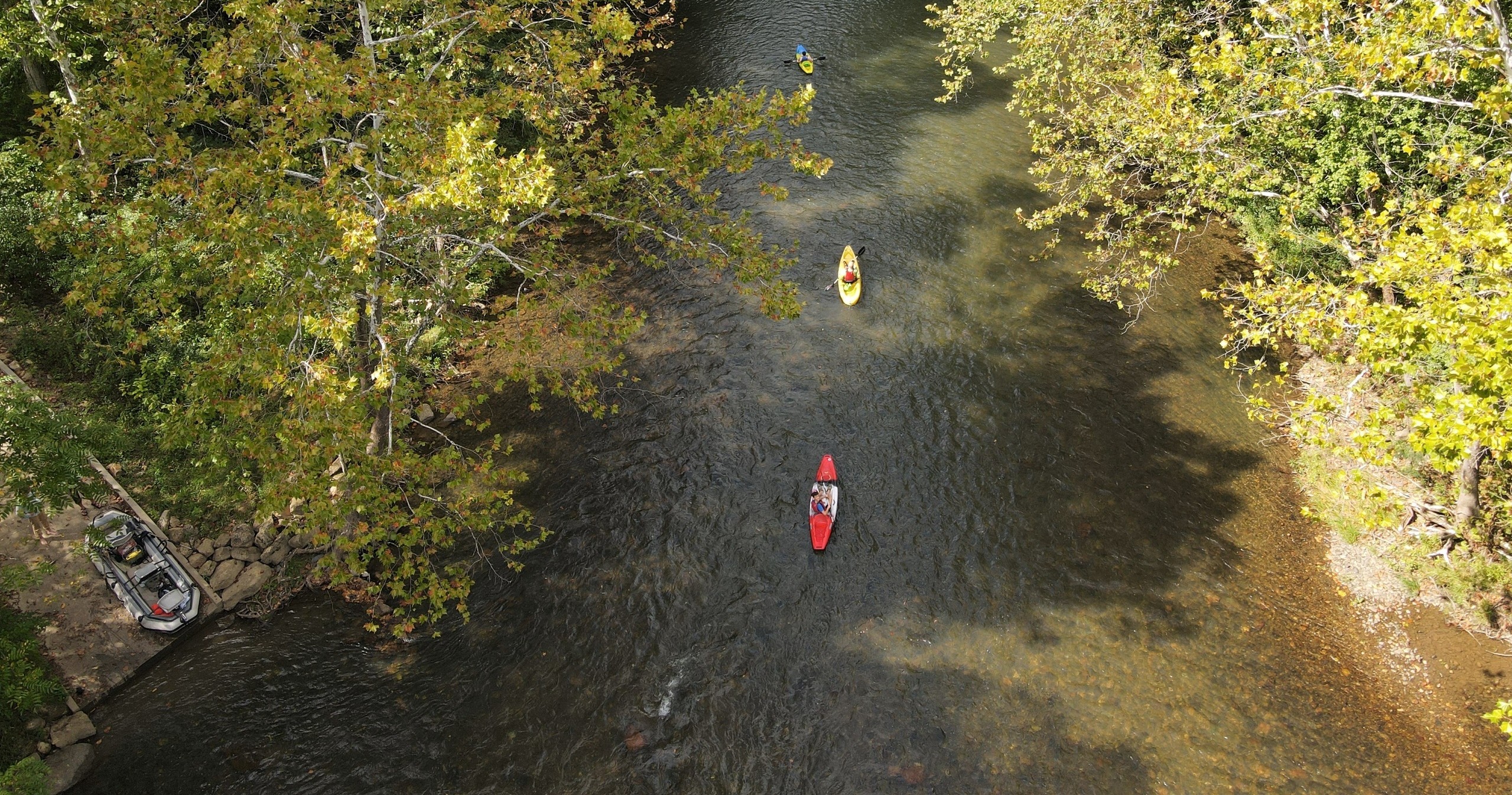
4 miles • Takes 1.5 to 2 hours to complete • Our shortest trip
Continue ReadingThe morning you push off from Petticoat Junction, the river is a ribbon of glass that keeps changing—shallow riffles turning to quick, clean rapids, wide meadowed bends opening to Appalachian ridgelines. Sun hits the water in strips, and the current does what rivers do best: it invites, it tests, it moves you forward. On the <a href="https://app.advcollective.com/local-experts/paddle-trip-homestead-petti-coat">Paddle Trip - HOMESTEAD PETTI COAT</a>, four river miles are enough to feel like a good day on the water—long enough for the lungs to settle into rhythm and for the landscape to go from nearby board-fenced farm to steep, forested slope.
Morning departures usually mean calmer winds, fewer bugs, and clearer light—aim for the 9:00 AM trip if you want the quietest stretch.
River bottoms are rocky; closed-toe water shoes protect toes during brief exits and while stepping onto gravel bars.
Keep your phone, keys, and sunscreen in a compact dry bag—wet pockets and soggy phones kill the vibe fast.
Bring a reusable water bottle and quick snacks; the trip is short but active and sunscreen and snacks make the difference.
Great blue heron, White-tailed deer
Practice Leave No Trace; clean boats before and after launch to prevent spreading aquatic invasive species and avoid disturbing shoreline habitats.
Spring brings fuller, faster water and lush banks—expect brisk temperatures and occasional muddy banks after rain.
Summer is the most popular season; mornings are best to avoid heat and bugs, and late afternoon shade can be limited.
Fall offers peak color and typically stable conditions—bring layers for chilly starts and warm afternoons.
Winter paddles are quiet and brisk; expect very cold water and fewer guided departures—dress for hypothermia prevention.
Shoot early or late for low-angle light; use a polarizing filter to reduce glare on the water and deepen skies; from a low seat, compose with river bends leading to ridgelines for strong landscape frames.
Required for safety—most outfitters provide properly fitted PFDs.
Protects feet during launches, landings, and rocky portages.
Keeps phone, keys, and snacks dry when splashes happen.
Open stretches and reflected light increase exposure—use SPF and a brimmed hat.