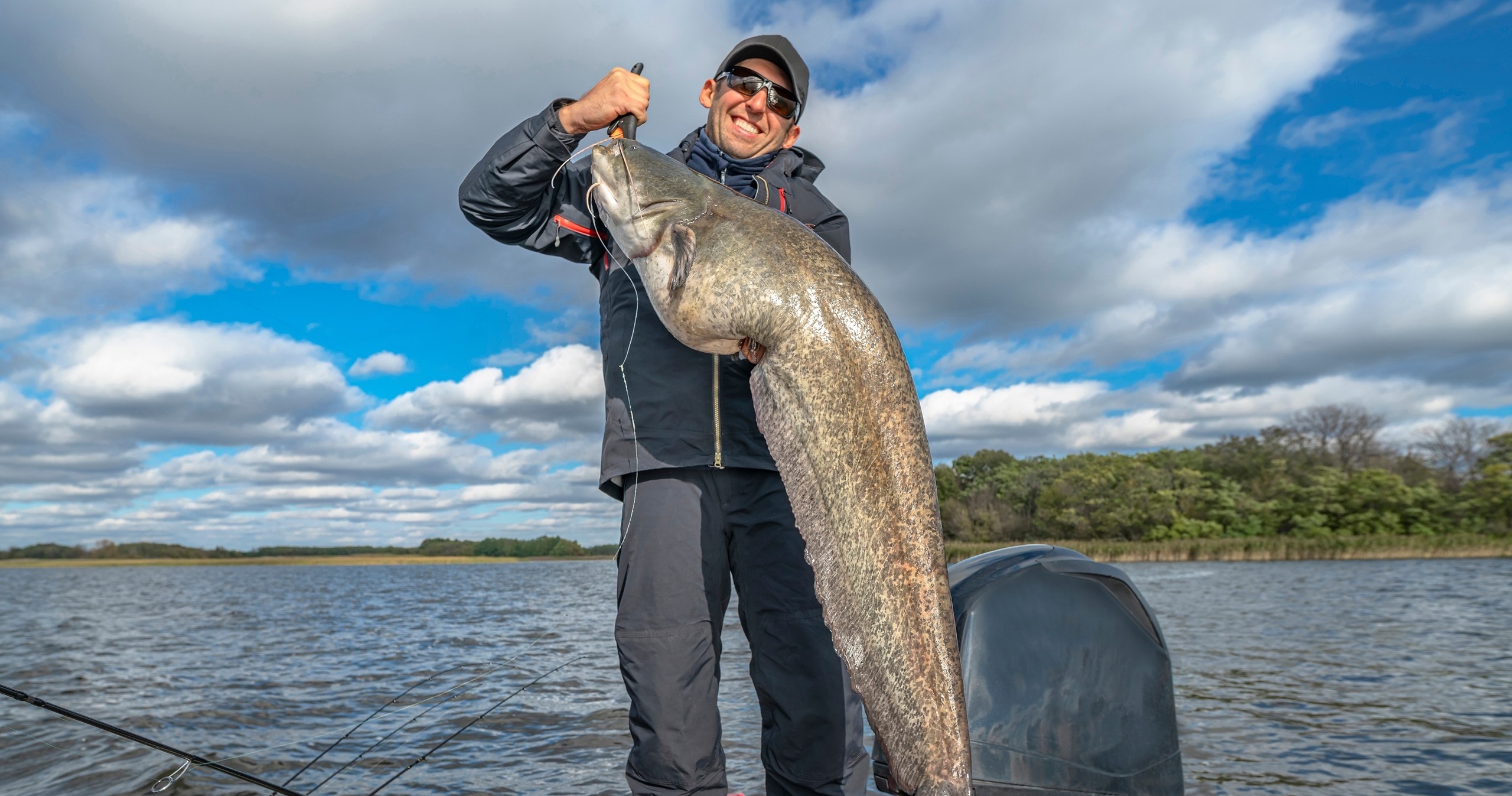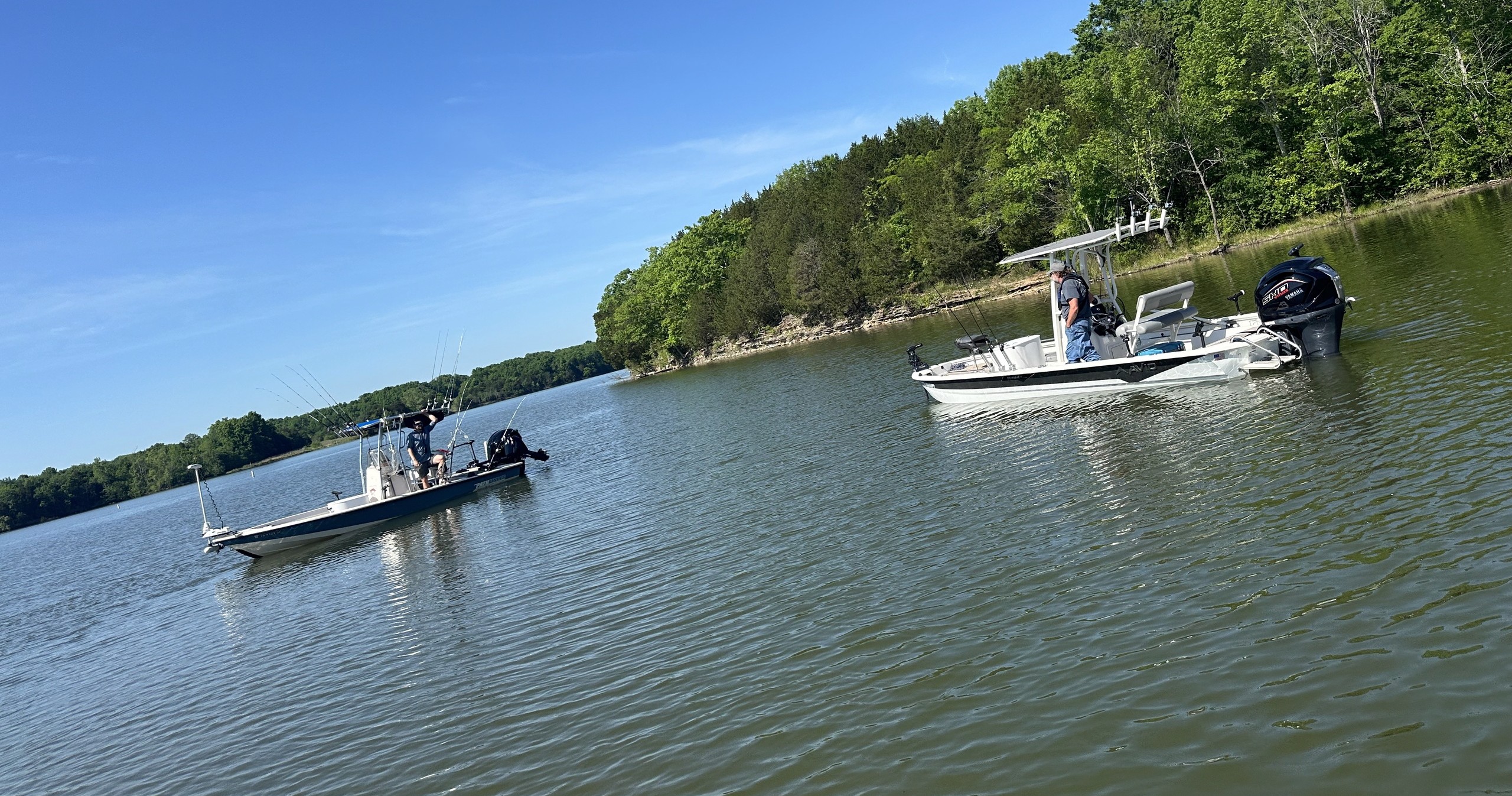
The first light on the water feels like an invitation. Dawn slides across the river in a thin, silver hand; the hull hums as the guide eases the boat into a quiet channel where you can already see the wake of a largemouth bass breaking the surface. Around you, the city’s sound is still distant—traffic subdued, music yet to creep out of honky-tonks. For four hours you’re not just on a charter: you’re part of a small, focused competition where every cast counts and every call from the bow draws a half-second of group calculation.
Tournament-style fishing in Nashville strips the experience down to its kinetic essentials: skill, strategy, and the humbling unpredictability of the water. These guided events—whether you book a private bracket for your group or join a public match—put teams in their own boats with a professional captain, tackle provided, and the kind of organized, friendly rivalry that transforms an outing into an event. If the idea of a fishing tournament sounds intimidating, think of it as a team-building exercise on waves: equal parts camaraderie and concentration, with prizes and bragging rights as the friendly stakes.
This format is rooted in the region’s deep bass-fishing culture. Tennessee’s lakes and the Cumberland River system are fertile ground for competitive angling: ocean-sized rivers funnel smaller tributaries, creating structures and current seams where fish stack. Many tournaments here focus on largemouth and spotted bass, and guides bring local knowledge—seasonal movement patterns, preferred baits, and where the fish tend to stage during early morning or late afternoon windows. The boats are workmanlike: roomy, stable, and fitted with livewells and fish-finding electronics. The captains are part navigator, part tactician, and part teacher. They’ll show you how to read a line, where to cast, and how to turn a near-miss into a decisive hookset.
The geology of the area matters. Reservoirs like Percy Priest and tributaries carved into rolling limestone landscape create ledges, brush piles, and shallow flats that give structure to fish populations. That structure is what tournament anglers learn to read fast: a gradual break, a flooded tree, or a submerged channel can mean the difference between no bites and a stringer of keeper fish. And culturally, this is Nashville—so expect music onshore and a post-match energy that blends sportsmanship with Southern hospitality.
For travelers, the appeal is threefold: it’s social, it’s competitive, and it’s accessible. Kids fish free on these trips, and gear is supplied, so you don’t need to arrive with a tackle locker. Captain-led teams democratize knowledge—novices learn technique while more experienced anglers refine strategy. Book a private tournament for a bachelor party, family reunion, or corporate group, or sign up for a public match if you want to pit your crew against another group for a little friendly noise.
Practicalities matter. The standard outing runs four hours, typically in the morning when fish are most active. All rods, reels, bait, and tackle are furnished, and boats come with coolers and ice. Weather rules are strict—cancellations for severe weather are handled with reschedule credit—so plan windows rather than fixed dates for large groups. Tennessee requires a valid fishing license for most anglers; check whether youth exemptions apply.
On the water, small choices make big differences. Hydrate before launch, wear layered sun protection, and bring a light jacket; wind off the lake can cut through a tee shirt. Listen to the captain’s briefing—boat safety, handling the net, and rules for weighing and measuring fish are enforced to keep things fair. If you’re competitive, ask about format (biggest bass, cumulative length, species rules) and whether tiebreakers are penalty-based or sudden-death cast-offs.
If you want to get more than a single tournament out of your trip, pair it with local culture. After the weigh-in, drive back into town for hot chicken, a cold craft beer, and a playlist of live music. The tournament is the day’s spine; the rest of Nashville is the connective tissue.
Ready to join a next-level day on the water? Learn more and book a spot with the local specialists here: Tournament Style Fishing Charter. Whether you’re organizing a large private bracket or signing up for a public match to test your crew against other anglers, the format is designed to be inclusive, exciting, and efficient. For a more detailed look at event logistics and to secure a date, visit the charter page: book a tournament. If you’re scouting for tips before you step aboard, the guide page is also a useful resource: learn more about tournament-style fishing.
The river will test you—currents that push and pull, sun that shifts motivation, fish that tempt you with a flash. But that’s the point. Tournament fishing here isn’t about perfect outcomes; it’s about being squeezed into a small window where instincts, rigging, and local smarts collide. In four hours you’ll learn more about reading water and teamwork than many trips teach in a weekend. You’ll leave with photographs, maybe a prize, and a new appreciation for the way Nashville’s waterways demand respect—and, occasionally, deliver delight.