The first thing you notice is the sound—an almost theatrical rumble that swells in the air and bends the palms for a heartbeat. On Maho Beach a pair of tourists lean back on towels, eyes on the sky. A Boeing descends like a silver whale, breathing wind across the sand, and for a few thrilling seconds the whole island seems to lean with it. That jetblast is the island's unofficial welcome: equal parts danger show and postcard magnet. On the Adventure Island Tour, that moment is only an overture.
This four-hour circuit stitches together St. Maarten in a way that feels curated by someone who understands pace: the quick shock of plane-spotting at Princess Juliana, then the saline hush of Orient Bay's long white shelf of sand, followed by the convivial chaos of roadside markets and the slow leisure of Grand Case's restaurant strip. The day moves from adrenaline to languor and back again, and the island responds—ocean daring you to step in, sun prodding you to sit back and taste a rum punch.
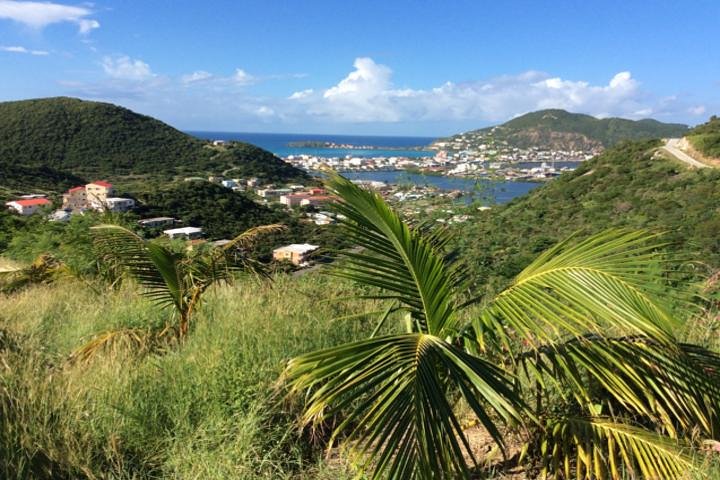
Geologically, St. Martin is a small, rugged child of the Caribbean arc—volcanic underpinnings smoothed by time and crowned by coral reefs. That mix gives the island a split personality: rocky headlands that feel dramatic and sheltered coves that feel like private beaches. Historically and culturally, St. Maarten is exceptional—this single land mass is administered by two nations, the French side and the Dutch side, each offering distinct food, language, and shopping impulses. Your guide on this tour will thread through those differences with the casual authority of someone who grew up listening to three languages at the breakfast table.
What the itinerary does well is composition. Instead of racing from point to point, it spaces things out. You get a structured look—Maho for planes, Orient Bay for swimming, a local market for pastries and cold drinks, and Grand Case for a glance at the island’s renowned culinary scene—while leaving room to wander. Markets sell more than souvenirs; they sell a sense of place: flaky guavaberry tarts, spicy jerk chicken sizzling on skewers, and vendors who will hand you a sample and tell you the recipe for their punch. Beaches offer different moods. At Orient Bay, wind and surf personify impatience; at Grand Case, the sea is calmer, more conversational.
This is a good day trip for modern travelers who want contrast in a compressed window. Families will love the beach time and the plane show; couples will find the food and sunset strolls satisfying; photographers will never be bored. It is, notably, a low-tech tour—no technical climbing, no overnight camping—so your biggest decisions are sunscreen, camera settings, and whether to accept that second rum-based sample.
Practicalities are simple but worth knowing. The tour lasts roughly 4 to 4.5 hours, typically departing mid-morning from a central pickup in Philipsburg or nearby resorts. Wear beach-ready clothes and shoes that can handle sand and a quick market scramble. Bring cash for small vendors (many accept cards now, but not all), and plan for strong sun and warm, humid conditions. Water is not optional—hydrate before and during the trip. If you’re keen on plane-spotting, Maho is best earlier in the day when scheduled arrivals are frequent and the light slants nicely for photography.
Local insight: Grand Case deserves more than a glance. It’s the island’s culinary heart, where French technique meets Caribbean produce and seafood. If your schedule allows a sit-down, order the fish of the day and a local rum cocktail. For quieter beach time, ask the guide about lesser-known coves off the main strip—places where the current is gentler and the coral is visible from the shore.
A small caveat on conservation: the reefs around St. Maarten are resilient but stressed. The best behavior is simple—use reef-safe sunscreen, avoid touching coral, and respect local signage. Supporting small vendors and restaurants keeps money in the community and rewards sustainable practices.
By the end of the tour you will have done something that feels rare: seen an island at the speed of both its daily rhythms and its deep history. You’ll understand how geology shapes beach choices, how two flags on one island result in a layered cultural menu, and how the island’s greatest theater—planes and sea—can be as humbling as it is playful. It’s not a day for hardcore adventure athletes, but it is a day for curious travelers who want a concentrated, readable portrait of St. Maarten—equal parts spectacle, leisure, and local flavor.


