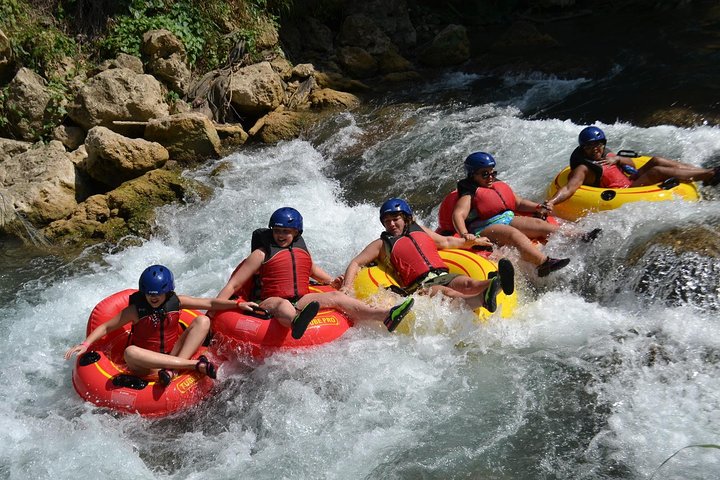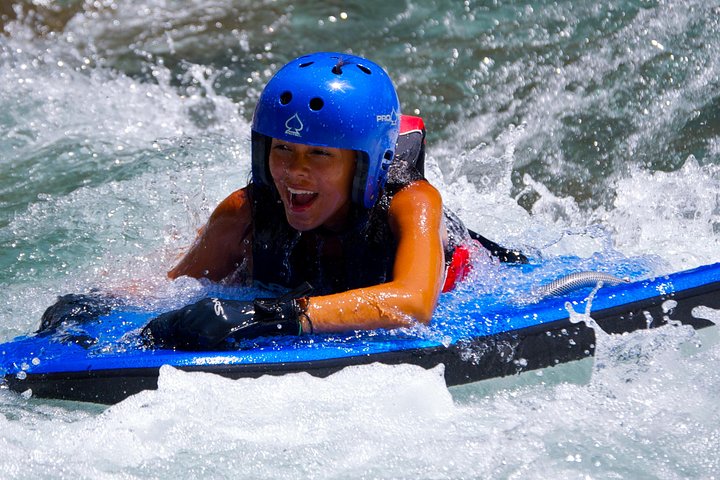
The afternoon sun threads through a canopy of mango and guango trees, scattering light onto a river that moves with intention. Rio Bueno doesn’t roar — it cajoles and dares in equal measure, edges of limestone and root-wrapped banks channeling water into shimmering corridors. You clip into a foam board, feet strapped, and push off. The first rapid slaps your face with cold relief; the current takes a favor and returns it with a laugh. For the next couple of hours, you ride a river that feels as much social club as wilderness: local guides shouting friendly cues, birds watching from perches, and the occasional open pool that invites a languid float and a quick swim.
This is river boarding on Rio Bueno, a short drive from the Georgian streets of Falmouth in Trelawny Parish. It’s a Jamaica that’s rarely on the postcard — not beaches of golden sand but a green, ribbed interior where geology and history meet. The river slices through citrus groves and former plantation land before it finds the Caribbean. The limestone that guides the water here is a living thing: erosion has carved channels, created plunge pools, and left exposed ledges where you’ll step during a portage. The result is a compact, playful run — rapids that range from mild to raucous (think Class II–III) and open stretches that let the river’s current do the work.
The story of this place bleeds into the ride. Falmouth was a major 18th- and 19th-century port in Jamaica’s sugar economy; plantations along the rivers fed the docks. Today, the old roads that led to sugar houses are flanked by banana and mango stands, and small communities continue the agrarian rhythms that shaped the landscape. Guides on river-boarding tours are often local — their knowledge of every eddy, shelf, and safe take-out is the difference between a memorable day and a soggy mishap. They also add cultural commentary: where a spring was dug, whose family used to mill cane, and which curve of the river hides a favorite swimming hole.
Why would a traveler choose Rio Bueno over another Caribbean pastime? Because it’s immediate, tactile, and just a little wild. Instead of lounging on a resort strip, you are in motion — negotiating currents, sliding off small drops, and laughing at how different the river feels from the sea you might have flown in to see. It’s also accessible: this tour is typically a half-day (about four hours door-to-door including transfers) and caters to mixed experience levels. For families with older children or first-timers who are comfortable in water, river boarding is a great introduction to whitewater dynamics without committing to an expert-level descent.
Practicalities matter here. The runnable section used on guided tours is compact — expect a few kilometers of river play with multiple short rapids and several calm pools. Guides provide buoyant boards, life jackets, and helmets; you bring the will to paddle with your feet and the ability to follow instructions. Sun exposure can be intense during the transfer and on open stretches, and the shade can be cool and damp in deeper gorge sections. Stay hydrated and plan logistics around the weather — the river is best when it’s not running high from recent heavy storms, and local operators will adjust itineraries when flows are unsafe.
Beyond the run, the trip stitches together several local pleasures. You’ll pass through small towns where roadside vendors sell fresh sugarcane and Jamaican patties, and many tours include brief stops for coconut water or plantain chips. If you have time after the tour, stroll Falmouth’s restored Georgian streets, grab a cold Red Stripe, or eat jerk chicken at a roadside stand — the contrast between river coolness and the island’s spicy, smoky flavors is rewarding.
For planning: a typical tour lasts around four hours including pickup from Falmouth hotels, equipment is provided, and prices start in the low hundreds (USD). Bring a swimsuit, a quick-dry top you won’t mind getting scuffed, reef-safe sunscreen, and footwear that won’t float away — reef sandals or river shoes with straps are best. If you’re a stronger swimmer or you’ve done basic whitewater before, mention that to your guide; they can open up a few more playful lines. If you’re nervous in currents, tell your guide right away — they’ll position you where you can learn and still stay safe.
Rio Bueno river boarding is not about conquering nature so much as participating with it. The river has rhythm and it rewards humility and curiosity. At the end of the run, when you towel off and sip something cool, you’ll realize how connected the experience made you feel to the island’s interior: the underlying geology shaping flow, the names and faces of people who still live by the river’s moods, and the simple, loud joy of moving downriver with a crowd of new friends. It’s a short adventure with a big sense of place — ideal if you want to peel one layer off the typical beach vacation and come away with a story and a taste of Jamaica’s wilder side.