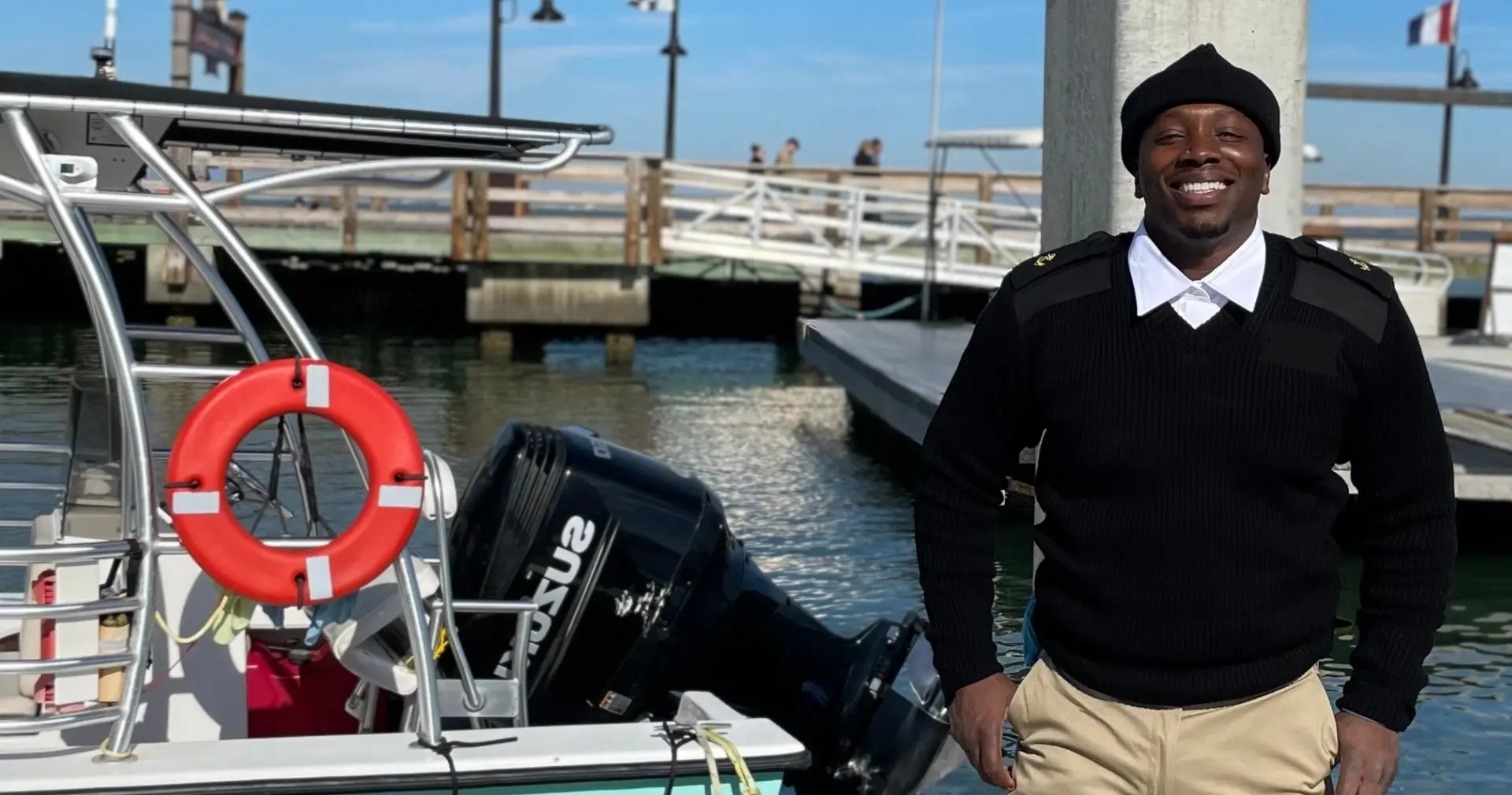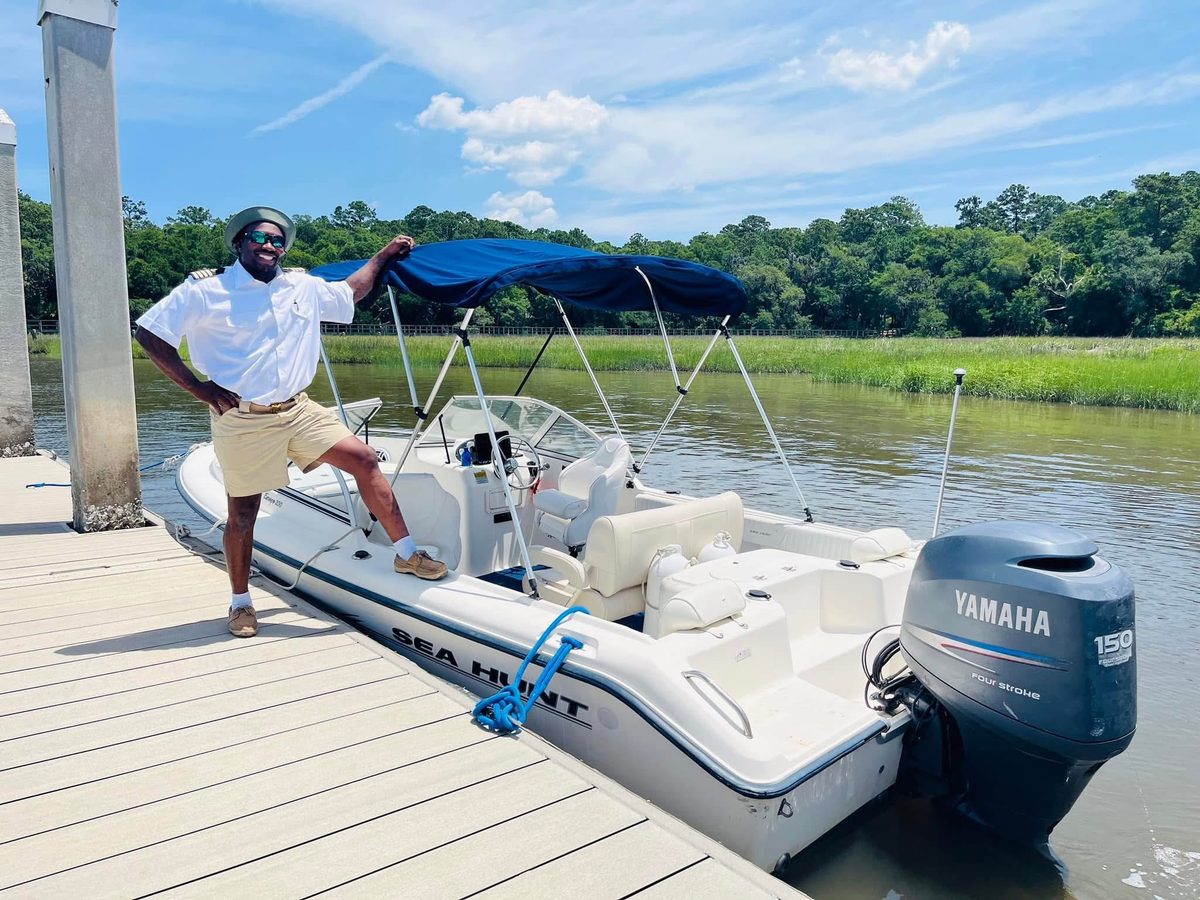
The river moves first. Before the engines kick over, the Savannah River draws its long breath, tugging past pilings and pushing the dock against its lines. Morning throws a pink edge across the Eastern Wharf as you step onto the water taxi at IGY Savannah Harbor Marina. Gulls heckle. A container ship, stacked like a skyline, slides by with easy confidence. The captain eases the throttle and you slip into the channel—outbound, salt in the air, marsh grass nodding at your wake.
This is the Lowcountry crossing that feels like a secret handshake. The route between Savannah and Daufuskie Island has always belonged to those who read tides like schedules and measure distance in runs of spartina. With the Daufuskie exclusive travelers departing service—a streamlined, round-trip water taxi designed for select departures—you’re not just going from A to B. You’re moving through a coastal story that still writes itself in the language of current and channel markers. For booking details, timing, and availability, consult the official portal for these exclusive transfer departures here: Daufuskie Exclusive Travelers Departing.
The river sets the pace. On a good tide, the crossing typically takes under an hour. The boat hums through tannin-stained water, the current shouldering you seaward. Bottlenose dolphins escort for a stretch, surfacing in pairs, then peel away as if giving their nod. Osprey arrow across the sky with fish gripped like contraband. The salt marsh opens to a quilt of creeks and cut-throughs, spartina stitched by silver threads where the tide runs. Daufuskie rises slowly—an island of live oaks and silence, where roads shrink to sand and time minds its manners.
The place wears its history in plain sight. Long before vacation houses and golf carts, Daufuskie was a seat of Gullah/Geechee culture, a community shaped by isolation and salt. Oyster shells once piled high along shorelines as an industry thrived; the rhythms of harvest, church, and school were intertwined with tide tables. Pat Conroy taught on Daufuskie in 1969, and his memoir, The Water Is Wide, lifted the island into the American imagination. Stand on deck and picture the generations who made this crossing in skiffs and workboats, the same channels that now hustle you along. If you want deeper context or to check current logistics, the exclusive departures dashboard puts the essentials at your fingertips.
Geologically, you’re surfing the seam where river meets sea. These barrier islands are drifting defenses, forever reshaped by storms and a tidal swing that can reach six to eight feet. Spartina marsh is the green engine—filtering water, calming waves, and hosting shrimp, crab, and juvenile fish. Watch as the color shifts with the sun: jade at noon, bronze by late day, then a near-black sheen after sunset when the flats exhale and egrets ghost into their roosts. Pay attention to the edges: that’s where life congregates—and where photographers catch their best frames.
Practically speaking, this is transportation with the payoff of an experience. The Daufuskie exclusive travelers departing option is engineered for a smooth exit off-island and an equally seamless ride back to Savannah. It’s a clean, simple solution for travelers who value time and ease—no bridge, no traffic, just a direct run. You’ll meet at IGY Savannah Harbor Marina, tucked into the new Eastern Wharf district, where parking is straightforward and coffee is a short stroll away. The boat is comfortable and fast enough to outrun a summer squall yet stable when the river flexes. Luggage is welcome within sensible limits; soft-sided bags ride best. If you’re prone to motion sickness, a wristband or ginger chew goes a long way on choppy days.
On Daufuskie itself, the pace shifts by design. Roads narrow to sandy lanes, live oaks lace overhead, and the island asks you to slow down. Golf carts are the de facto wheels. Lucy Bell’s Café plates coastal comfort with a side of island-time candor, and the Daufuskie Island Rum Company runs a small-batch operation that smells like sugarcane dreams. The shoreline keeps its secrets—a flash of a horseshoe crab in the shallows, the way the wind combs the dunes at Bloody Point, the distant wink of the Haig Point Lighthouse when the light goes low.
The best crossings tend to be early or late. Morning air is cool, the river smoother, the light a clean blade. Evening rides burn gold and peel open the skyline of Savannah as if on cue. Shoulders of summer bring heat and pop-up thunderstorms; autumn is a parade of clarity and stillness. In winter, the river sharpens, visibility jumps, and birdlife crowds the edges in elegant monotone. The captain will read the river—how wind stacks against tide, where ship traffic compresses wake—and thread you through.
In a region where so much has been shaped by convenience, this route keeps its character. It’s a reminder that islands are meant to be reached by water, that time on a boat is time added, not subtracted. That the river isn’t just scenery—it’s a road with rules, a living thing that pulls you forward. For those holding a spot on this streamlined service, the experience balances ease with authenticity. Before you go, confirm the latest departure details via the Daufuskie exclusive travelers departing page, arrive a touch early, and let the river set your tempo. The Lowcountry will take it from there.