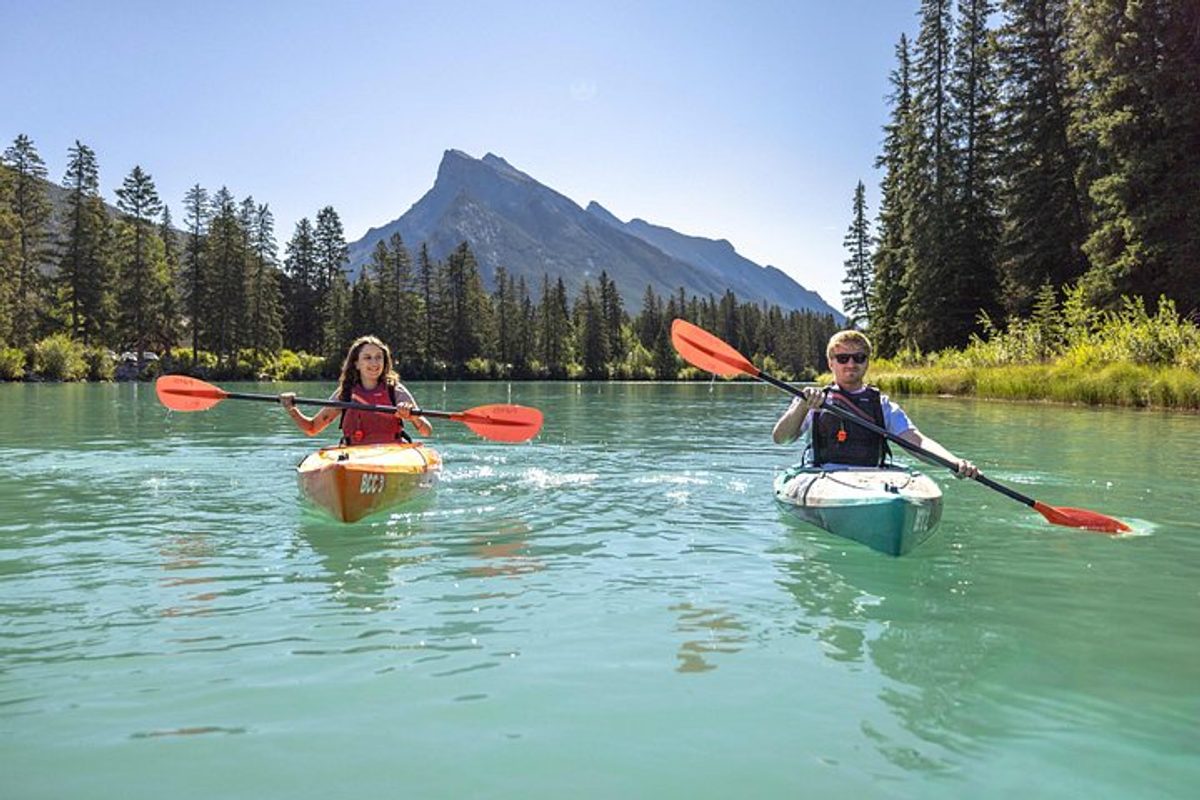
Dawn slides across the Rockies like watercolor—cool, pale, and insistently bright. You launch from a small, almost secret stretch of river where the town of Banff still sleeps and the water holds a mirror to Mount Rundle’s serrated silhouette. The only sounds are the soft whisper of the paddle, a distant gull, and the Bow River itself, which seems to dare you forward with a gentle but persuasive current. This is the kind of morning that turns a two-hour paddle into something you carry home.
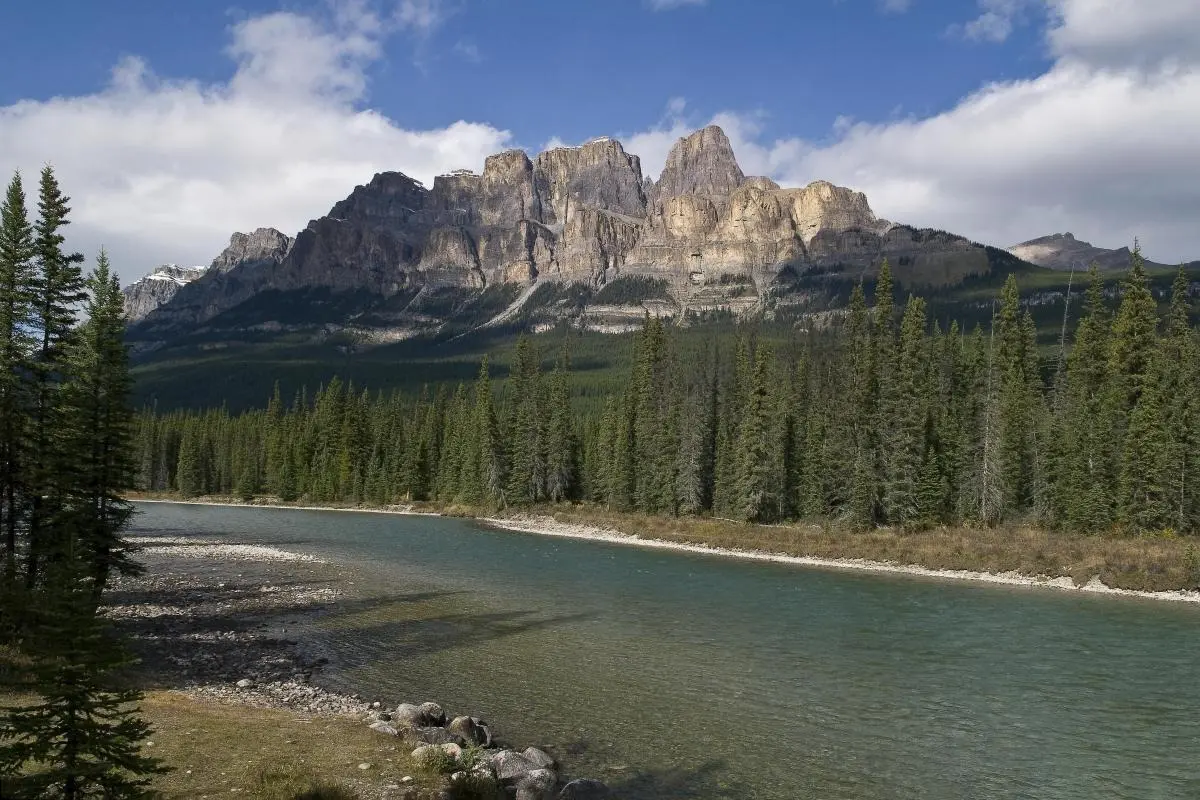
The Banff National Park—Canada’s first national park, established in 1885—has a long relationship with the water that frames its valley. The Bow River carves the landscape, fed by glacial silt and alpine runs that give it that pale blue-green color you see in postcards. Paddling here means more than transit; it’s a conversation with geology and time. You’ll glide past riverbanks shaped by seasonal floods, aspen groves that shimmer in summer, and limestone ridgelines that hold stories of ancient sea floors lifted and folded into peaks.
This particular morning paddle is designed for paddlers who know their strokes: the operator requires previous kayak experience and a measure of fitness. The group moves with a quiet, purposeful rhythm—single and double kayaks drift in a loose line as hosts point out landmarks, wildlife, and the subtle eddies that make navigating the Bow a small technical pleasure. There’s often a laugh or two when someone spots the resident beaver (local lore names him Barry) nudging logs like a tiny engineer. The guides are conversational, helpful, and attuned to the river’s temperament; they’ll coach portages and help with balance without taking over the experience.
Culture and small-town Banff fold into the morning’s intimacy. The town grew alongside the railway and tourism boom of the late 19th and early 20th centuries. Today, paddling on the Bow is as much about connecting with that legacy—early explorers, guides, and outfitters who read the land as closely as we read a map—as it is about the scene in front of you. Locals tend to rise early for this stretch of water; rentals open later, so booking a guided morning trip means you often have river space to yourself, something the guides emphasize as part of the magic.
Practical details cut through the atmosphere without killing it. The paddle lasts roughly 90–120 minutes, depending on water conditions, with some sections requiring short, easy portages. Expect the river to be calm at the surface but occasionally lively in narrow channels and downstream eddies. The experience includes both single and double kayaks; single kayaks are sold per person (minimum age 16) while doubles can be shared (minimum age 10 with an adult). The tour is rated for people in good physical shape—capable of continuous paddling and comfortable with basic boat handling.
Safety and etiquette are straightforward: wear a properly fitted PFD, listen to your guide on river traffic and portage points, and respect wildlife by keeping distance. The Bow is prime riparian habitat; keep voices low and avoid doing anything that might stress an animal. Banff National Park requires a park pass—your operator will usually confirm this—so factor that into planning. Mornings are colder and more stable for photography and wildlife sightings; afternoons can bring wind and more river traffic as rentals and other tours start their days.
Why go? Because the route frames Mount Rundle in a way few viewpoints do: a constantly changing sculpture depending on light, cloud, and your position on the water. Because the river can be private for a morning—no jet skis, no crowds, just a host, your group, and the current nudging you along. Because it’s accessible yet quietly demanding; this is not a lazy lake float, it’s a river with personality.
If you’re booking, consider arriving the day before to settle altitude and temperature changes. Layering is essential: mornings can be crisp even in July; midday may warm quickly. Hydration matters on the water—pack a hydration bladder or a bottle in a leakproof dry bag—and bring a change of clothes in case a little water finds you. For photographers, a floating strap and a small dry bag will keep gear safe while you chase reflections and low-angle light.
For an easy entry point, operators offer instant confirmation and flexible cancellation on many tours, but spots fill fast—these morning paddles are likely to sell out around peak season. If you want a quiet experience without handling logistics, book a guided morning launch; if you’re experienced and prefer to go on your own, scout the river conditions and have a reliable exit plan.
When you pull back onto shore, the town is waking: coffee shops will be serving and Banff Avenue is less than a short walk away. The memory of rock and water lingers—the river’s modest push, that exact moment when morning kissed the ridge—and you’ll find yourself planning the next paddle before your hands are dry.
Book or learn more about the local guided option and a morning launch that often keeps the Bow to your group by visiting the Banff Bow River double kayak morning paddle to Mount Rundle experience: Bow River double kayak at Banff — morning paddle to Mount Rundle. Whether you’re shaped by the rhythm of a touring stroke or just want a beautiful morning, this river makes a convincing case for early starts.