The sun hovers just over the Pacific when your guide pushes the kayak into a pocket of glassy water and the bay inhales. Light threads across the hull, gulls argue with the breeze, and the sea seems to move with intention—inviting, testing, guiding. Paddling out of the small cove, the shoreline slides by: coconut palms, a scatter of painted houses, then a long sweep of cliffs that have held the same rhythm for millennia. The ocean here doesn’t wait for you to decide. It nudges, it reveals, and if you pay attention it will reward you with company—turtles popping up like curiosity, pods of dolphins cutting lines in the distance, and, at certain seasons, the slow shadow of a whale passing far offshore.
This is the rhythm of kayaks in Bahías de Huatulco, an archipelago of nine sheltered bays on Mexico’s southern Pacific coast. Small-group outings—often about three and a half hours—are timed for calm water and the best light. Guides steer you into coves where cliffs and reefs create sanctuaries; here the swell softens and the ocean’s life grows confident. According to local operators, wildlife encounters are the rule rather than the exception: dolphins and rays are daily visitors, green and olive ridley turtles are frequent, and migratory whales can be seen in the winter months, turning the sea into an enormous, living map.
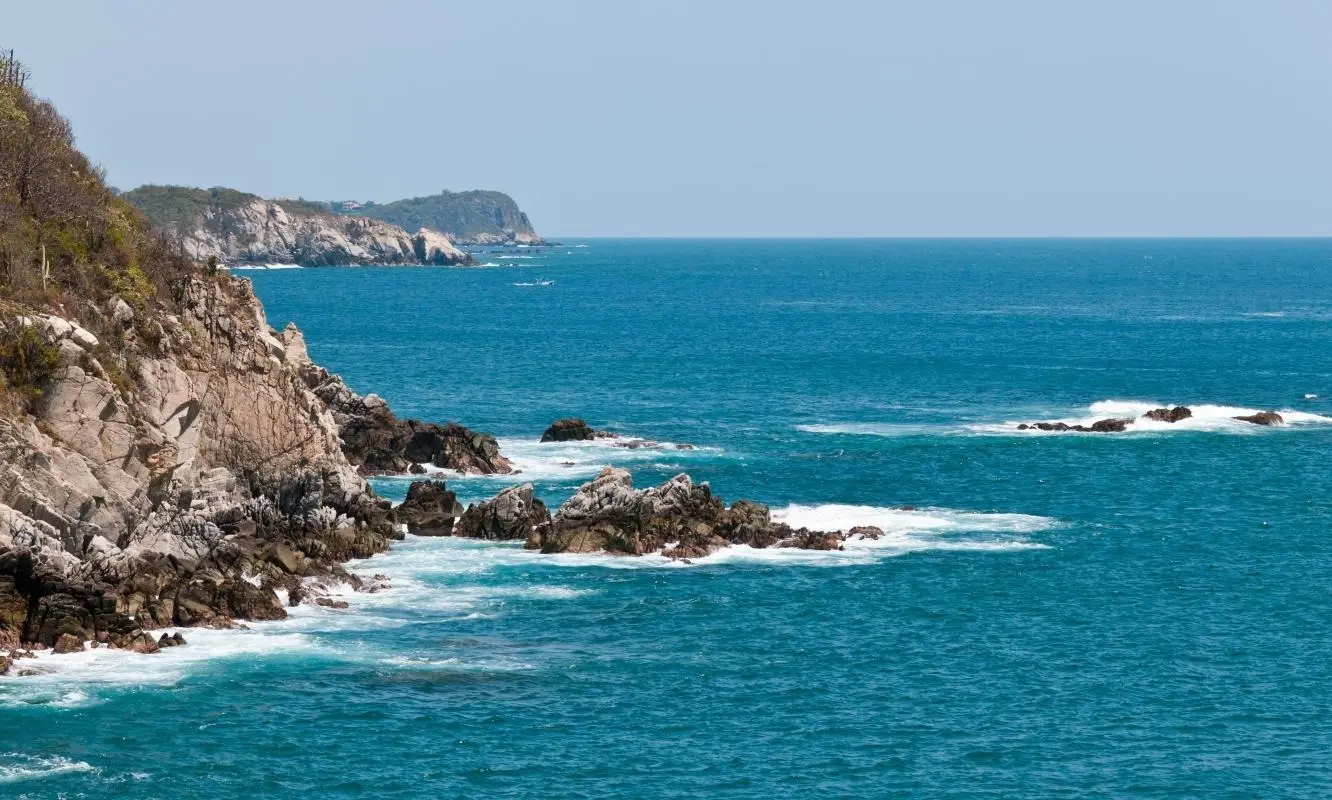
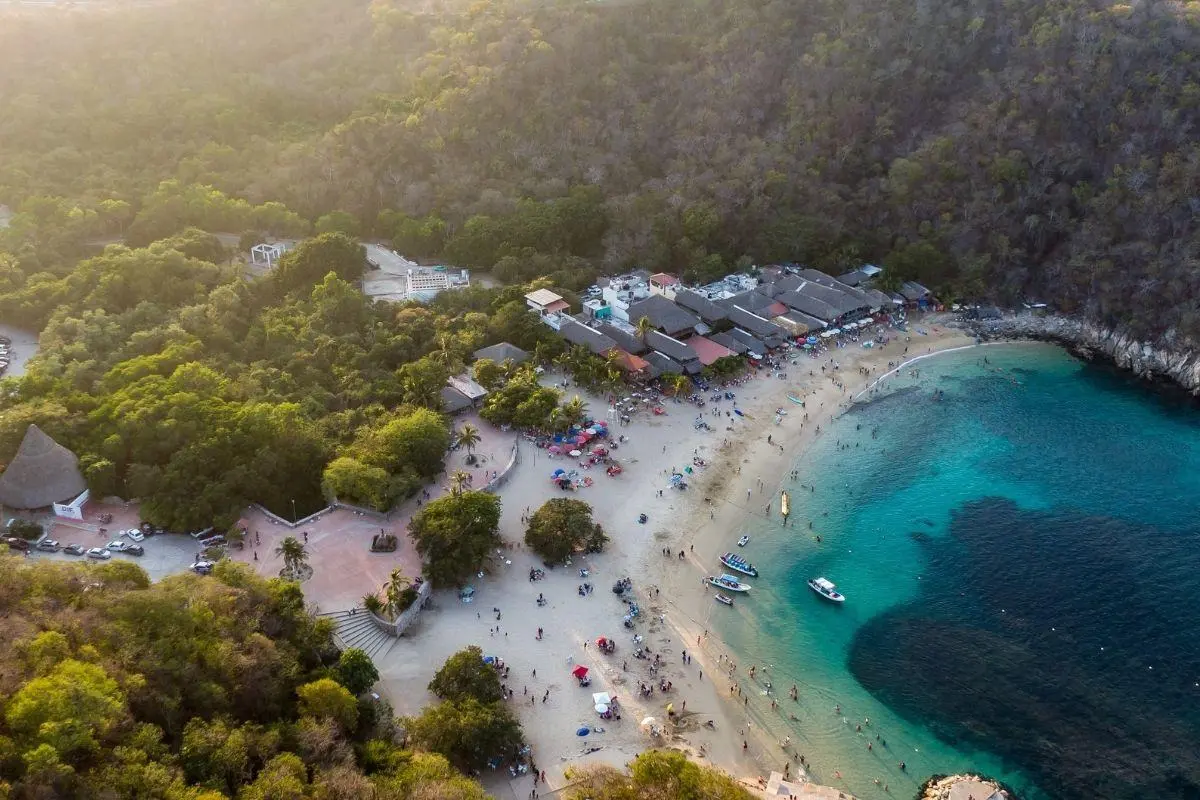
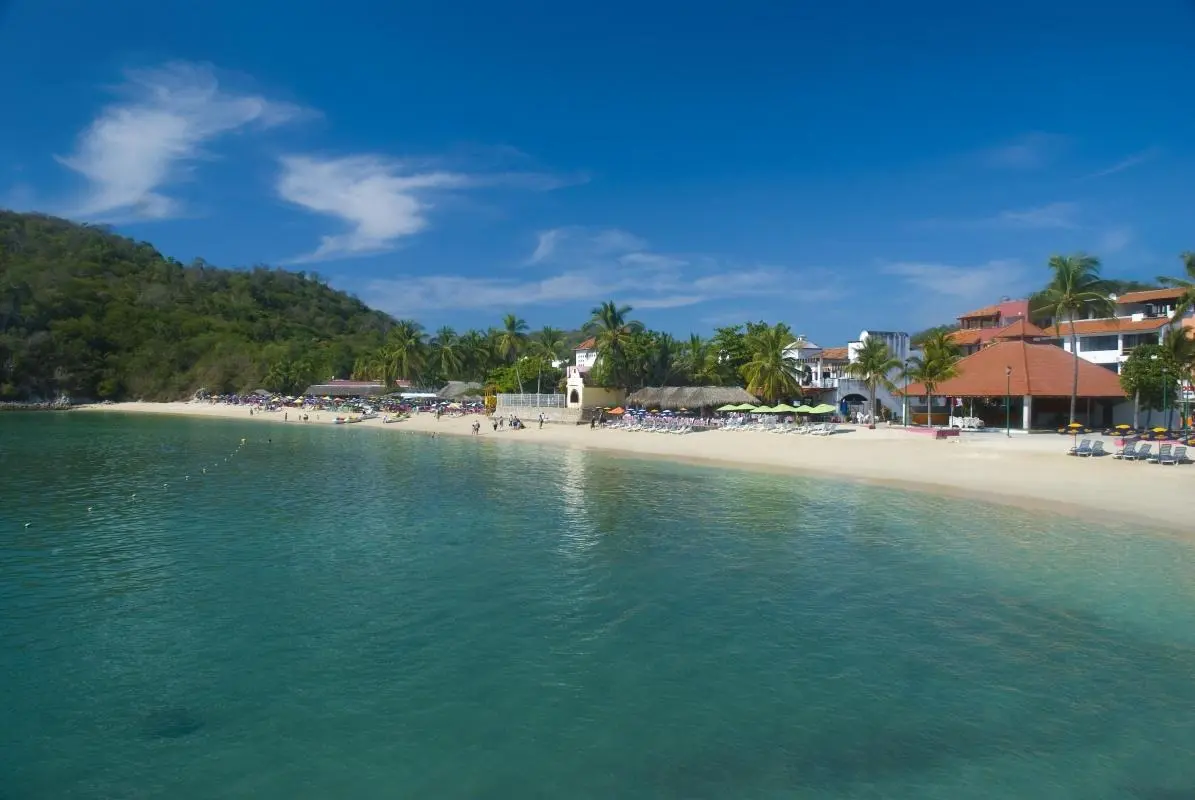
The geological story reads along the coast. Huatulco’s bays were carved by tectonic uplift and coastal erosion; the result is a mosaic of rocky headlands, hidden beaches, and fringing coral. The shallow reefs hold a surprising density of marine life because these bays are protected from the open ocean’s pummeling—perfect conditions for exploring from a sit-on-top kayak or tandem sea kayak. Human history here is layered: the coastline has been a seasonal fishing ground for generations, and the modern tourist economy grew carefully around those bays in the late 20th century to preserve both community and ecology.
Culturally, Bahías de Huatulco blends indigenous Oaxacan traditions with coastal livelihoods. Local villages, many clustered near La Crucecita and Tangolunda, are places of small markets, fresh seafood, and the particular cadence of a place dependent on the tides. Guides are often local—staunch stewards who pride themselves on low-impact touring and on sharing stories as much as directions. Operators advertise a high contact rate with wildlife and tailor routes to minimize disruption: staying offshore from nesting beaches, avoiding sensitive reef patches, and keeping group sizes small.
Practicalities: Most guided tours last about 3–4 hours and cost in the neighborhood of US$71–80 per person. Expect early starts—sunrise departures are common because the wind is usually light and wildlife is most active in low light. Sea conditions in the bays are typically calm; distances paddled can vary, but plan for 4–7 kilometers of easy to moderate paddling. No advanced technical skills are required, but you should be comfortable sitting and paddling for a couple of hours and able to follow basic safety instructions.
What the trip actually feels like is both intimate and big. Paddling through a narrow inlet feels like slipping into a secret room; pulling up to a reef and slipping a mask into the water brings an underwater world into focus—the reef’s faded blues and golden sponges, a parrotfish scraping at coral, a hawksbill gliding slow as a thought. Guides often combine kayaking with a snorkel stop, so you alternate motion and stillness, surface and depth. Between breaths you’ll trade facts with the person next to you: which turtle species nests nearby, where the best local cevichería is, which headland offers the cleanest sunset.
Safety and stewardship are part of the story. Bring reef-safe sunscreen, respect wildlife distances (guides will set the pace), and avoid single-use plastics. Many local operators emphasize conservation—some contribute to turtle nesting programs or reef monitoring—so booking with a guide who gives back ensures your dollars support the place you’re exploring.
Timing, gear, and a few tactical moves will make the morning sing. Aim for sunrise departures for mirror-flat water and cooler air. Wear a hat and quick-dry clothing, and keep water, electrolytes, and salty snacks within reach. If you’re prone to sunburn, bring an extra layer—long-sleeve shirts with UPF and light gloves are small investments that pay off. Photography-wise, low-angle shots at dawn flatten the horizon and make dolphins look cinematic, while snorkeling after a calm paddle produces the richest colors.
Booking is straightforward: many tours confirm instantly and offer free cancellation if plans change. If you want private time or a more personalized wildlife focus—photo-centric stops, for instance—ask about private departures. For a built-in, community-minded option, consider an operator who partners with local conservation efforts; they tend to know the bays’ quieter corners and best snorkeling reefs. If you’re curious about a specific sunrise kayak and snorkel option, this local expert listing is a good place to start: sunrise kayak and snorkel in Huatulco bays.
In the end, what makes kayaking in Huatulco more than a tick on a list is the scale of access. You can approach marine animals without the roar of a motor, move slowly enough to notice small things, and leave when the tide tells you to. The sea here is not an adversary; it’s an active collaborator—shaping the route, hiding a cove, revealing a turtle. If you go with curiosity and respect, you’ll come away with better pictures, livelier stories, and a clearer sense of why these bays have always been held close by the people who live beside them. For practical bookings and more details on what to expect from a morning departure, see this local guide’s listing: sunrise kayak and snorkel Huatulco bays.