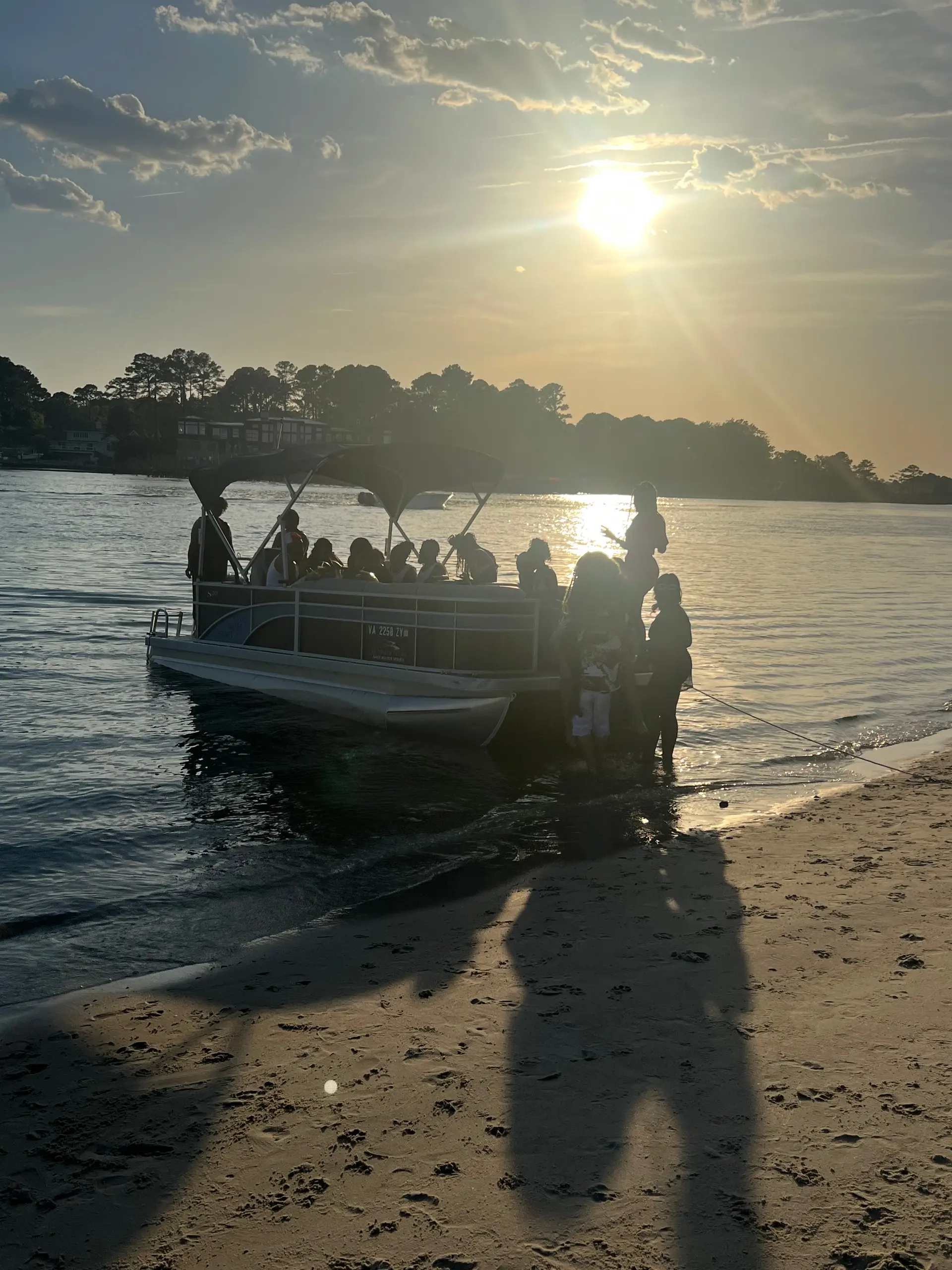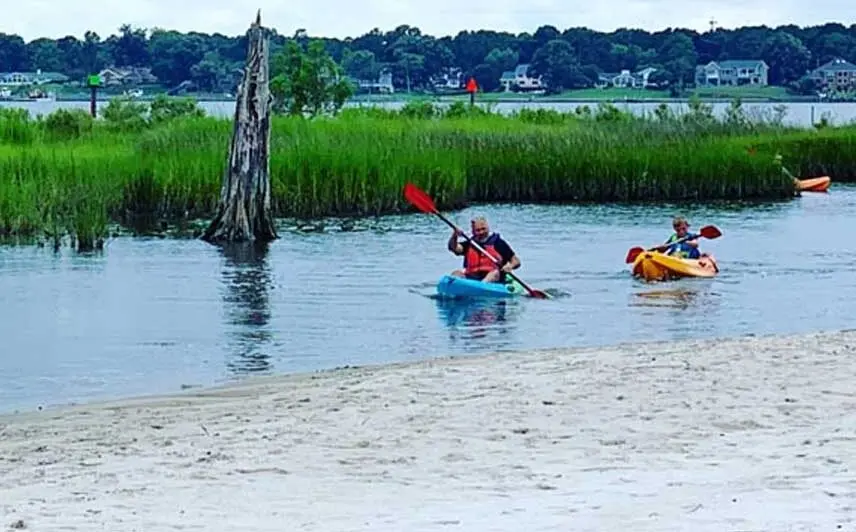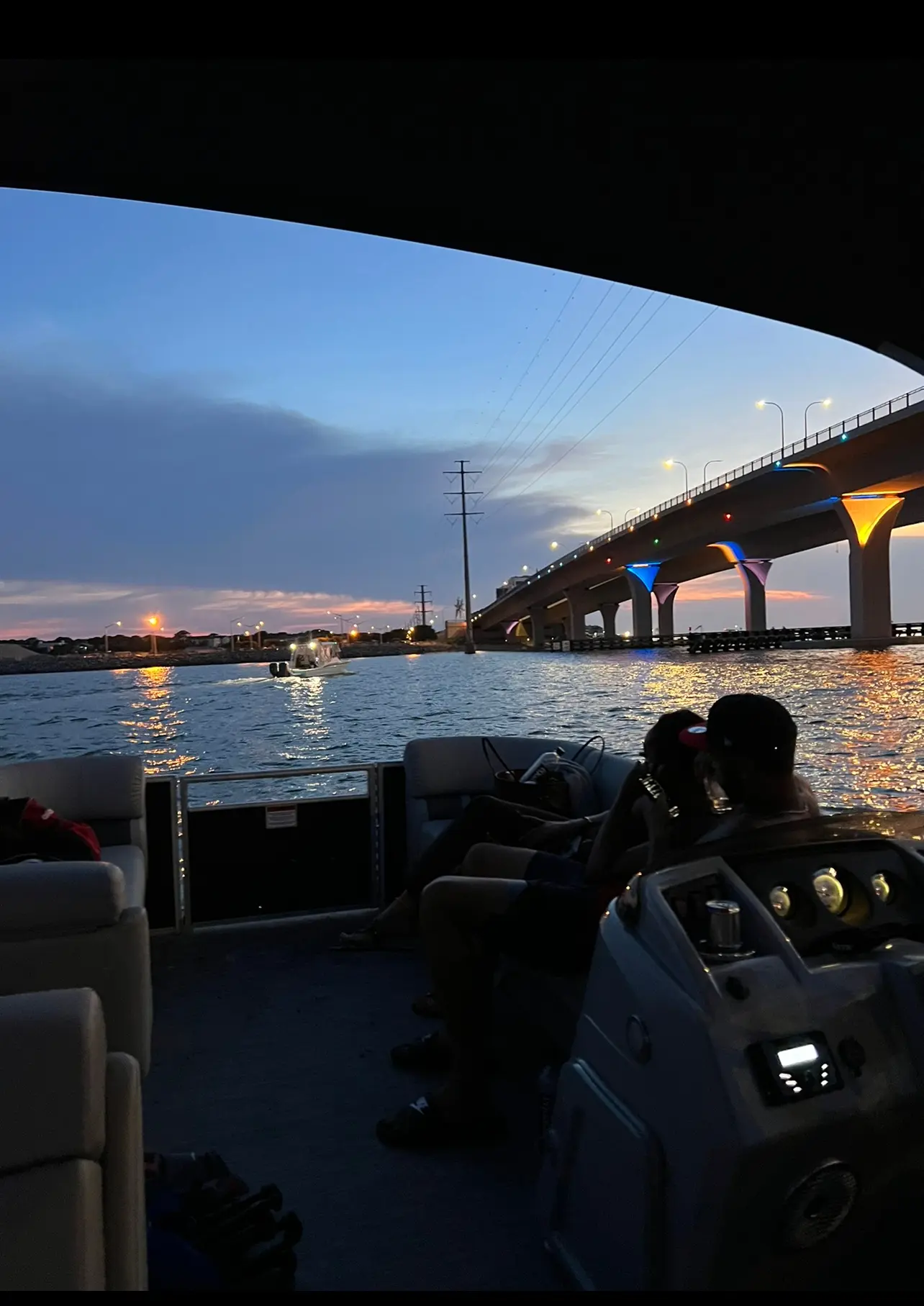
The morning arrives gray and soft over Rudee Inlet. Low clouds scrape the horizon while a salt breeze lifts gull feathers into restless patterns. You shove off from a weathered pier and the city’s boardwalk hums faintly behind you, replaced quickly by the rhythmic slap of the hull and the low thrum of an outboard. This is not about grand oceanic voyages; it’s a brush with the edge — where shallow bars, marsh-cut channels, and the broad mouth of the Chesapeake meet the Atlantic. Within minutes, dolphins appear alongside the bow, inspecting the disturbance as if daring you to be surprised.
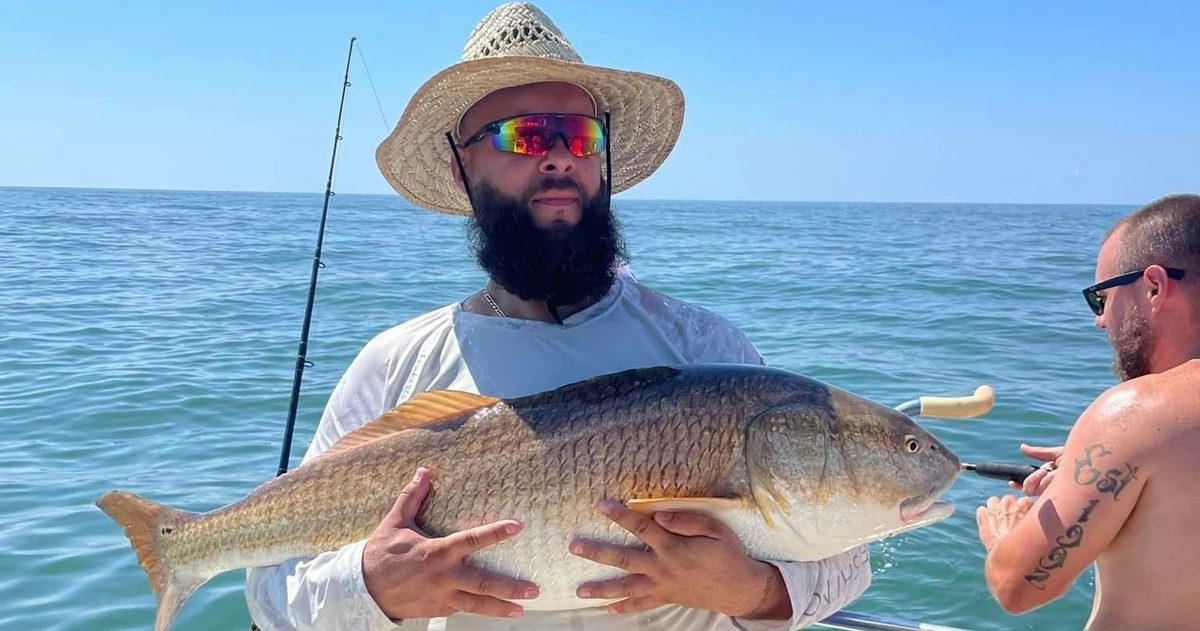
An inshore fishing trip in Virginia Beach is deliberately accessible. It’s the kind of day charter that fits families, novice anglers, and anyone who wants a meaningful taste of saltwater without the commitment of a deepwater run. The boats tend to hug bays and sounds or cruise up to the nearshore reefs: productive water that consistently produces red drum, cobia, Spanish mackerel, bluefish, and — if you’re lucky — the occasional shark. These charters lean on live bait, light trolling, and chumming, practiced techniques that favor action and learning over endurance.
History and location matter here. Virginia Beach sits at the confluence of the Chesapeake Bay and the Atlantic, a mixing bowl of currents that concentrate baitfish and, by extension, game species. The area’s maritime culture grew from those currents: commercial fishing, shipping, and tourism have long made the shoreline a working landscape. Geologically, the coast is shaped by barrier islands and estuarine wetlands, creating shallow flats and tidal channels that inshore anglers prize for their predictability.
Fishing in these waters is as much about reading tides and structure as it is about casting. Channels carved by historic inlets and present tidal flows collect bait and invite predators. The captain’s local knowledge — where a creek mouth dumps mullet, which channel holds the red drum at high tide, when the Spanish mackerel push through — is the real value that a charter offers. Find a skilled local guide (bookable here: https://app.advcollective.com/local-experts/inshore-fishing-trip-virginia-beach) and much of the guesswork disappears.
Culturally, these trips are part of the Sunday ritual for many families: a day on the water, a grill back at the house, and stories that get taller with every retelling. For visitors, the appeal is immediate: easy logistics, quick rewards, and a front-row seat to coastal wildlife. Dolphins are commonplace; ospreys and pelicans patrol the skies; late summer nights sometimes bring bioluminescent displays in back bays. That’s the softer sell. The harder sell — the practical reason experienced anglers return — is the reliable action and the intimacy of the nearshore environment.
Practicalities matter. Rates for private charters start at $689 for a four-hour trip, with six- and eight-hour options available and public six-hour charters for smaller budgets. Charters typically include rods, basic tackle, and bait, but not seafood processing or gratuity. Expect 4–8 hours on the water and groups ranging from solo anglers to larger family outings (some boats accommodate up to 21 people, with an extra fee for additions).
Timing your day is simple: mornings are usually calmer and cooler; late afternoon tides can concentrate feeding fish and bring a different kind of bite. Summer offers long days and warm water, but shoulder seasons — late spring and early fall — often produce great action with fewer crowds. Dress for wind and spray as the open water will feel cooler than the boardwalk. Pack sun protection, a wind layer, and seasickness prevention if you’re prone.
Safety and regulations are straightforward: Virginia enforces saltwater fishing regulations, seasons, and size limits; check the Virginia Marine Resources Commission rules before you go. Most charter captains are licensed and knowledgeable about current regs, and many operate under a party license that covers the group. Still, confirm with your operator whether any passenger licenses are needed or included.
The rewards are immediate: a child’s first drum on light tackle, a school of false albacore streaking the surface, or the quiet of a marsh-laced inlet at slack tide. When the boat eases in toward the inlet, you’ll understand why anglers keep returning. It’s not only about what you catch — it’s about how the water organizes the day, and how the coast, in its impartial way, gives and withholds on its own terms.
If you want to book a day and let someone else handle the tide charts and tackle, this Inshore Fishing Trip (https://app.advcollective.com/local-experts/inshore-fishing-trip-virginia-beach) is set up for those priorities: short transit times, family-friendly access, and a high probability of marine life sightings. For the curious, the captain becomes a teacher; for the regulars, the boat is a familiar rhythm. Either way, you leave inland with a cooler, a story or two, and the kind of quiet satisfaction that only time spent on the water delivers.
Before you go: choose a morning slot for calmer seas and a better chance at sightfishing, bring motion-sickness measures if you need them, and plan an easy post-trip meal — fresh fish tastes best when it’s close to the shore where you caught it. Then watch the water; it will tell you everything you need to know.
Bookable details and local operators are available to reserve here: https://app.advcollective.com/local-experts/inshore-fishing-trip-virginia-beach