Paddle the Yadkin: A 6.5-Mile Canoe Run Through North Carolina Wine Country

Paddle the Yadkin: A 6.5-Mile Canoe Run Through North Carolina Wine Country

Ages 12+ • 3.5 Hours • Make A Day Of It!

Continue Reading

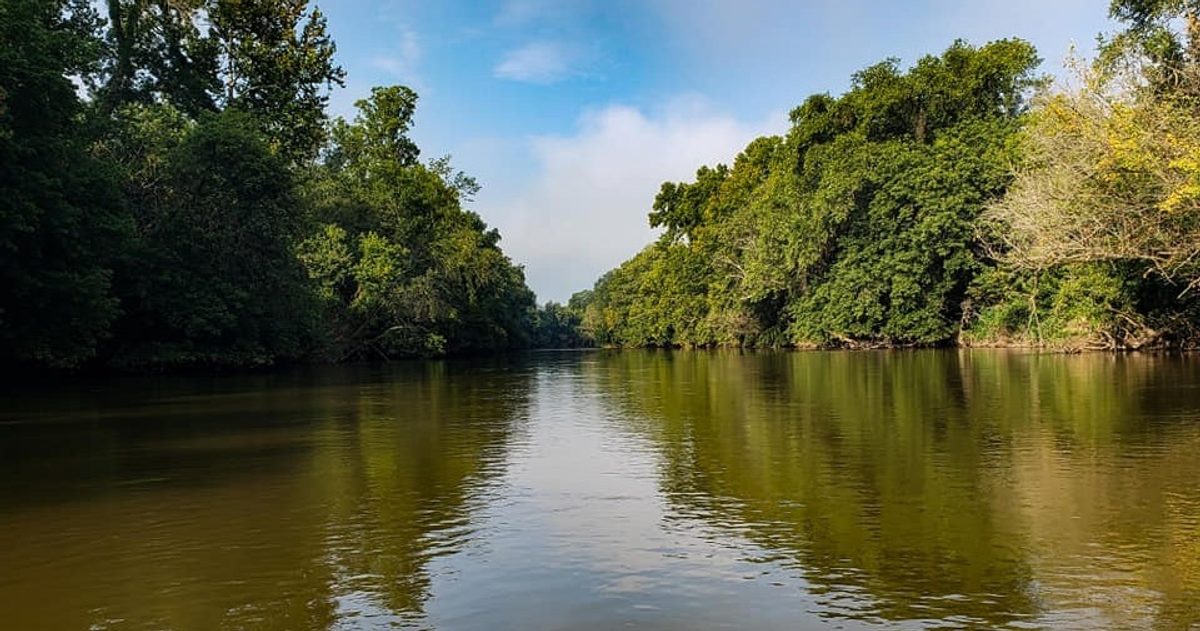
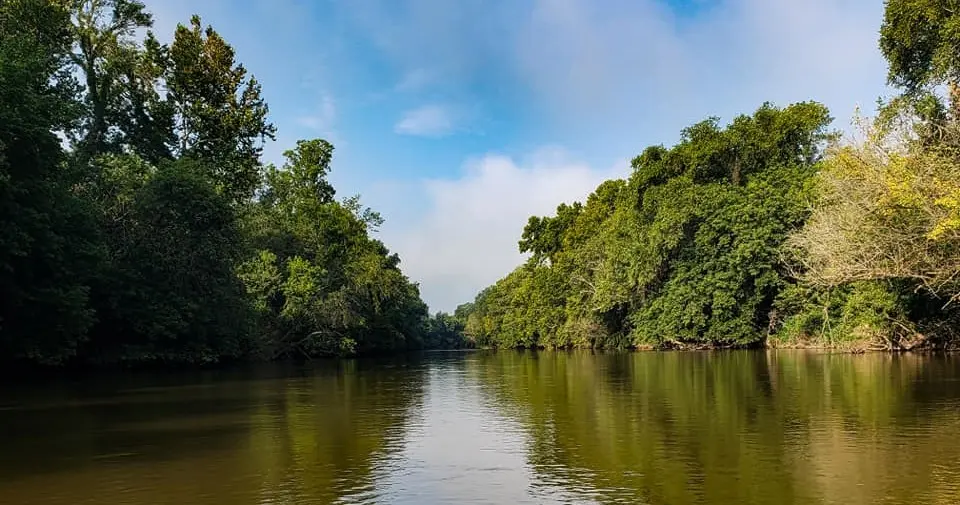
Morning lays a quiet hand on the Yadkin River. Fog threads the banks like a low-slung scarf as the shuttle van door clicks shut and the river takes over the soundtrack—soft riffles, a red-winged blackbird’s trill, the muted clunk of a canoe sliding into the flow. You and your paddling partner step in, settle low, and feel the current nudge your bow into the channel. The Yadkin is patient but persuasive; it asks for rhythm, rewards teamwork, and carries you past the green-stitched foothills of the Blue Ridge toward a day that feels unhurried and long.

This 6.5-mile stretch is the kind of river day that resets your pace. It’s mild, mostly flatwater with gentle shoals, the sort of “let’s talk and paddle” water that gets you synched in a few minutes and grinning by the first bend. The canoe moves like a long thought, and the river—broad-shouldered here, warm in late spring—does the heavy lifting. If you’re new to tandem boats, this section is a friendly teacher: the current suggests a line, a shoreline eddy beckons for a rest stop, and the river’s easy mood keeps the stakes low.

Historically, the Yadkin has always been a corridor. Long before highways, Indigenous peoples navigated and fished these waters; later, settlers floated timber and goods past the same bluffs you’ll see today. You might spot old bridge abutments and weathered pilings along the banks—markers of an industrial past mellowing into the landscape. Above the river, the Yadkin Valley has reinvented itself as one of the Southeast’s emerging wine regions, where vineyards drape sunny hillslopes and tasting rooms pour viognier and cabernet franc. It’s not a stretch to land your canoe, towel off, and chase the afternoon with a glass overlooking the very river that feeds these vines.

Geology puts its thumb on the map here, too. The river has carved a wide, meandering groove through ancient metamorphic rock. You’ll feel it in the canoe’s hull when you slide over shallow gravel bars and hear it in the soft hiss as water drapes around granite cobbles. Sun-warmed riffles whisper forward; deeper pools slow your cadence and invite a cast. Smallmouth bass hunt the shadow lines; turtles show off their balancing act on deadfall logs, plopping in as you drift past. Great blue herons stand like sentinels and then, with a shrug of wings, lift off to patrol the next bend.

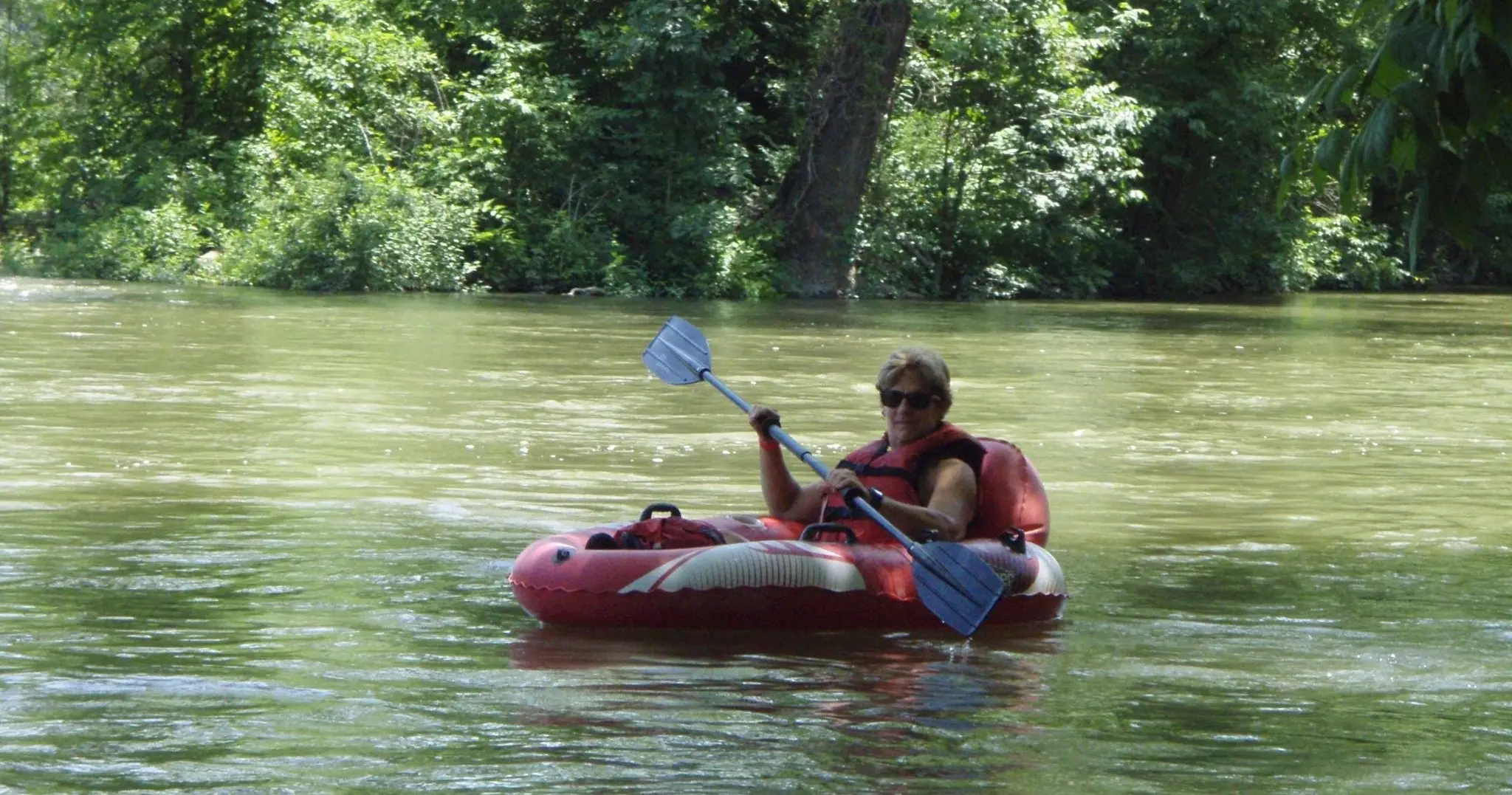
The practical stuff comes easy. Your outfitter provides the shuttle to the put-in, the canoe, properly sized PFDs, and secure storage for valuables. You bring the day: a cooler with lunch, plenty of water, sun protection, and shoes that don’t mind getting wet. Minimum age is 12, and canoes are best with two paddlers. Expect about 3.5 hours on the water, 4.5 hours door-to-door depending on river levels. After rain, the Yadkin leans into its push; after a dry spell, the river idles, and you’ll paddle a little more. Either way, it’s a straightforward day for anyone comfortable being active outside.

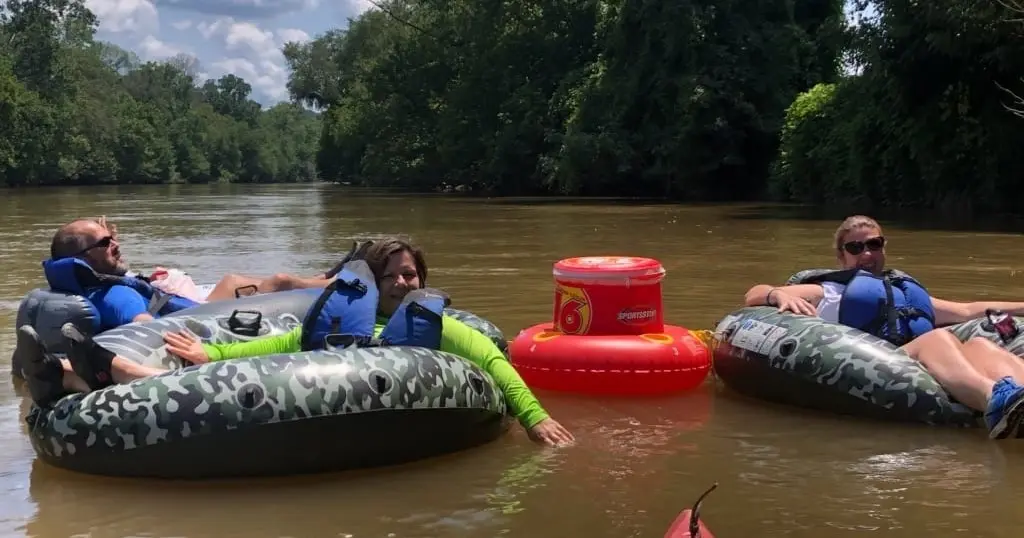
Canoeing asks for communication, and this section rewards it. Call your strokes around tight bends. Swap lead if the stern paddler needs a break. The river will nudge you where it wants you, especially along outside bends where the current presses the bank, so read the water—see how the surface darkens toward the channel, how little V’s point upstream off submerged rocks, how a foam line threads the path of least resistance. Sandbars make perfect picnic tables. Gravel shoals offer ankle-deep wading to cool off. The Yadkin is sociable, with occasional anglers on the bank and families floating by in tubs, yet it still offers long, quiet miles where the only voices are yours.

In summer, the river is a warm handshake and a sunbath. Spring and fall are cooler, brighter, and often clearer, with migrating birds stippling the sky. Winter paddling here is possible for the properly outfitted, but this trip shines brightest between April and October. Whether you fish or simply drift, the Yadkin invites you to unplug and let time lengthen. If you want deeper local context—best sandbars, current levels, or post-paddle detours—tap into regional knowledge from these local experts, who keep a finger on the river’s pulse.

Safety stays simple. Wear your PFD. Avoid glass and Styrofoam—both are prohibited and both are headaches for fragile riverbanks. Leave car keys with the outfitter’s key check; a drybag protects the rest. Keep your phone in airplane mode and a waterproof case; cell service fades in pockets along the corridor. If you capsize—and it happens to the best paddlers—face your feet downstream, hold onto your paddle, and let the current carry you to the next calm water before regrouping.

The takeout arrives sooner than you think. Your shoulders feel that contented hum of effort; your cooler is lighter; the day has stretched, loosened, and found its own cadence. By the time you slide ashore, the river has placed its mark on you—a soft insistence that pace is negotiable and wild spaces still set the terms.

Pair the paddle with a stop in town—this corner of North Carolina is generous that way. Breweries in converted mills, farm-to-table spots on brick-lined streets, and wineries perched above the water turn a morning float into an all-day ramble. Out here, the Yadkin doesn’t rush. And after a few miles, neither will you.
Duration3.5–4.5 hours total
Plan your visit

Trail Wisdom

Read the Bend

Aim your bow for the inside of river bends where the current is slower and obstacles are fewer; outside bends often hide sweepers.

Stash the Keys

Use the outfitter’s free key check and keep your phone in a waterproof case to avoid a riverbed treasure hunt.

Hydrate Like It’s Summer

Bring at least 1–2 liters of water per person; the open river reflects heat and sun longer than you think.

Fish the Shadows

Cast small spinners or soft plastics toward shaded banks and current seams for smallmouth and spotted bass.

Local Knowledge

Hidden Gems

  • Carter Falls: a short hike to a scenic cascade near Elkin, perfect for a post-paddle leg stretch
  • Elkin & Alleghany Rail-Trail river overlooks for quiet sunset views

Wildlife

Great blue heron, Belted kingfisher

Conservation Note

Pack out all trash, skip glass and Styrofoam, and give wildlife space—riverbanks are sensitive nurseries for birds and turtles.

The Yadkin Valley was a key migration and trade corridor for Indigenous peoples and later settlers; today it’s a federally recognized American Viticultural Area known for European varietals.

Seasonal Guide

spring

Best for:Cool temps, Migrating birds
Challenges:Variable flows, Cold water early season

Crisp mornings and clearer water make for lively paddling; dress in layers and check levels after rain.

summer

Best for:Warm water, Swimming and lounging
Challenges:Strong sun, Weekend crowds

Expect mellow flows and sun-soaked miles—start early or late to dodge peak heat and traffic.

fall

Best for:Foliage color, Stable flows
Challenges:Cooler evenings, Shorter daylight

Golden light and quieter banks reward shoulder-season trips; pack an extra layer and watch sunset timing.

winter

Best for:Solitude, Crisp air and clear views
Challenges:Cold water, Limited shuttle schedules

Only for well-prepared paddlers with proper insulation and spare dry layers; always wear your PFD.

Photographer's Notes

Shoot early or late for softer light and mirror-smooth reflections. A circular polarizer helps cut glare and reveal riverbed patterns; keep shutter speeds high when photographing birds in flight. Protect your camera in a drybag and use a wrist strap—compose from a kneel for stability and try leading lines along foam seams to guide the eye.

What to Bring

Polarized Sunglasses with Retainer

Essential

Cuts glare to spot rocks, fish, and the cleanest line while keeping your shades onboard.

Secure Water Shoes or Sandals

Essential

Protects feet on gravel bars and submerged rocks while allowing quick drainage.

○

Lightweight Sun Hoodie

Breathable UPF coverage keeps shoulders and arms shaded during long reflective stretches.

Compact Drybag (10–15L)

Essential

Keeps lunch, phone, and spare layers dry in the event of spray or an unexpected swim.

Common Questions

Do I need canoe experience for this trip?

No. This section of the Yadkin is mild and beginner-friendly. A quick primer on basic strokes and steering is enough for most paddlers.

How long is the paddle and total outing?

Plan for about 3.5 hours on the water and roughly 4.5 hours total including shuttle and check-in.

What’s included with the booking?

A shuttle to the launch, canoe, properly sized life jackets, and secure storage are included.

Can I bring a cooler or fishing gear?

Yes. Coolers and fishing rods are welcome—just avoid glass and secure everything to prevent loss in the event of a tip.

Is there a minimum age?

Yes, participants must be 12 or older. Each canoe seats up to two people.

What should I wear and what’s not allowed?

Wear a bathing suit or quick-dry clothing, sunscreen, and water-ready footwear. Flip-flops, Styrofoam, and glass are prohibited.

What to Pack

1) Polarized sunglasses to read current seams and reduce eye strain; 2) 1–2L water per person for midsummer heat; 3) Quick-dry shirt or sun hoodie for UPF coverage; 4) Compact drybag to protect snacks, phone, and spare layers.

Did You Know

The Yadkin River is one of North Carolina’s longest rivers, forming the headwaters of the Yadkin–Pee Dee system, and the Yadkin Valley became the state’s first American Viticultural Area in 2003.

Quick Travel Tips

Arrive 20–30 minutes before your shuttle to sort gear and key check; Plan a weekday paddle for quieter water; Book dinner in Elkin—weekends can be busy during wine season; Bring cash or card for a post-trip treat in town.

Local Flavor

After the takeout, head to Angry Troll Brewing in Elkin for wood-fired pizza and local pints, or grab a Southern-style dinner at Southern on Main. If you prefer wine, nearby Yadkin Valley tasting rooms offer crisp whites and bold reds with river-view patios—an easy cap to a mellow day afloat.

Logistics Snapshot

Closest airport: Piedmont Triad International (GSO), ~1 hr. Put-in/takeout near Elkin/Jonesville with outfitter shuttle provided. Drive time from downtown Elkin: 5–10 minutes. Cell service: Spotty along the river corridor—download maps. Permits: None required for flatwater paddling; PFDs are mandatory.

Sustainability Note

This river fuels a regional watershed and a thriving agricultural valley—pack out all trash, avoid single-use plastics, and keep a boat length from nesting birds and sunning turtles.

Topics