Paddling the Blue: A Three-Hour Kayak Circuit on South Lake Tahoe

Three hours, easy access, and a loop that introduces you to Tahoe’s wetlands, secret beaches, and alpine clarity.

Continue Reading

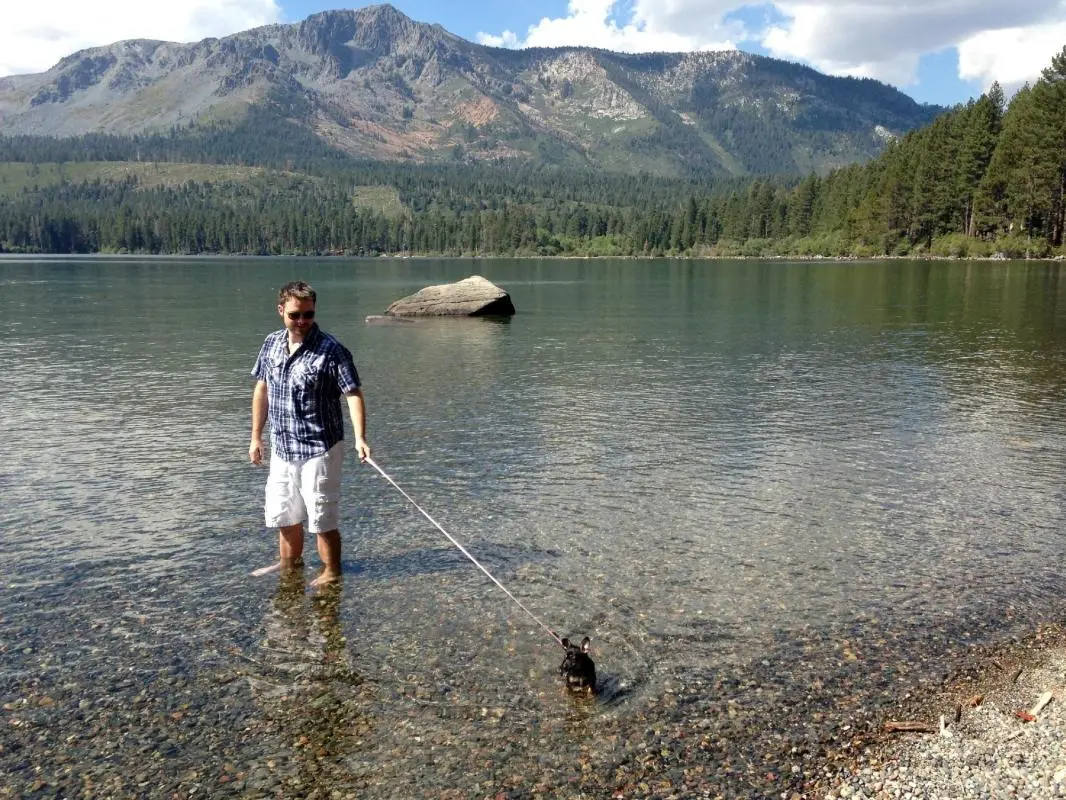
First light on South Lake Tahoe reads like a promise: the mountains spill their first clean lines into glassy water, and the air—thin and sharp at 6,225 feet—tastes like winter even in mid-summer. If you launch from Lakeview Commons at El Dorado Beach, a three-hour single-kayak rental turns that promise into a manageable, memorable day: ten minutes of paddling, and the shoreline loosens into reed-lined coves, a wildlife preserve, a secret little beach and the wide, braided mouth of the Upper Truckee River. The water is cold and absurdly clear; the mountains watch without hurry.

This stretch of Lake Tahoe is a study in contrasts. The lake itself is a geologic record—carved and deepened by glaciers and held by fault lines—and it still reads as otherworldly because of the clarity that gives a sense of vertical depth you can’t fully appreciate from shore. Around South Lake Tahoe, the granite spine of the Sierra Nevada folds into dense pine forest; decades of human history have layered onto that—Washoe stewardship, nineteenth-century logging and mining, the postwar boom in outdoor recreation—and the shoreline is now a place where culture and wilderness meet in practical ways.

The simple plan—launch, paddle north toward the Upper Truckee mouth, hug the preserve and return—feels small and elegant. In the first half-hour you’ll pass a bird-rich wetland where reeds quiver with small, sharp calls; marshy outlets are good places to spot great blue herons and ospreys circling for trout. The secret beach the rental company points out is not exactly a secret, but you’ll savor how it shelters you from wind and the big blue expanse beyond. On a still morning, the mountains mirror perfectly; when a breeze wakes, the surface becomes a skiff of silver that dares you to keep going.

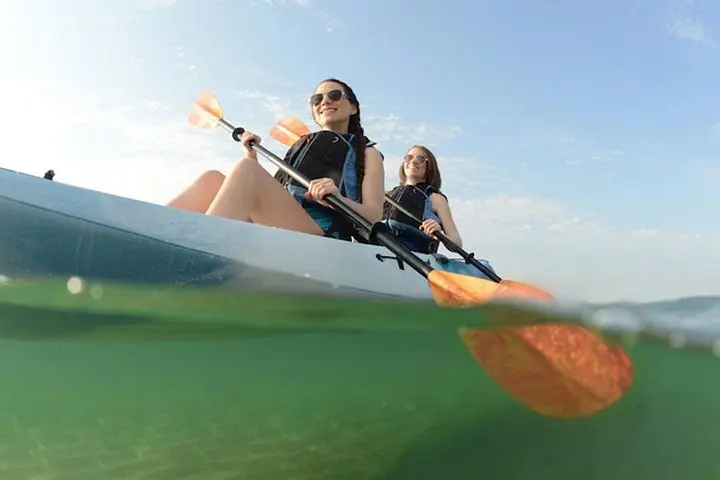
Practicality is baked into the experience. The rental is intentionally short—three hours lets you explore without committing to a lengthy expedition at high alpine elevation. Paddlers new to the sport can learn basic strokes and reach the preserve in minutes; more experienced paddlers can use the time to sight wildlife, scout coves and practice edging and sweep strokes in the lake’s open water. And given Tahoe’s alpine temperament, timing matters: mornings are usually glassy and calm; afternoons can blow up with thermals that make the lake sporty and, for novices, tense.

A little history keeps you grounded while you paddle. The Washoe people have lived on these shores for thousands of years; the word "Tahoe" derives from a Washo word meaning simply "lake." In the 1800s, the shoreline saw logging for timber and later recreational development. Today the ecology—especially around the Upper Truckee wetlands—receives more protection, both from local agencies and from quietly diligent paddlers who understand that these inlets are breeding grounds for birds and fish.

Geology plays by its own rules here. The basin is the product of tectonics and ice; snowmelt and runoff continue to sculpt the shoreline. That combination explains the lake’s depth and clarity—silicate-rich bedrock and low nutrient loads keep the water unusually pure—and it also explains why Lake Tahoe feels like a place that will outlast any single season.

On the logistics side: expect a three-hour window to be enough for a loop that includes the preserve and a break at the secret beach. The launch at Lakeview Commons/El Dorado Beach is easy to access with parking, and the proximity to South Lake Tahoe’s town center makes post-paddle coffee or a late breakfast a practical afterthought. For safety, wear a life jacket (PFD), bring layers, and watch wind forecasts; open water on an alpine lake can change fast.

For someone planning this trip, think of it as an active half-day that also leaves room for other Tahoe experiences—hiking in the Desolation Wilderness, a drive up to Emerald Bay, or a visit to Heavenly Village. This rental is accessible enough for first-time paddlers, but it rewards attention: notice the textures of the shoreline, the way the reeds bend, the calls of birds shifting in the light. Nature here doesn’t simply provide a backdrop; it negotiates with you. The current at the Upper Truckee mouth will push and pull in subtle ways; the wind will test your stroke discipline. You come away with a small skillset and a larger regard for a lake that has never been tame.

Whether you’re a day-tripper escaping the Central Valley heat or a traveler layering a kayaking morning into a long Tahoe weekend, the South Lake Tahoe 3-hour single kayak rental is the kind of easy, exact adventure that proves large landscapes are best seen slowly and up close. Pack sun and layers, plan for calm mornings, and leave room afterward for the uncomplicated joy of a hot drink with wet hands and a shoreline that still feels, somehow, new.
Duration3 hours
Plan your visit

Trail Wisdom

Paddle mornings for calm water

Thermal winds pick up in the afternoon; start before 9 a.m. to enjoy glassy conditions and better wildlife sightings.

Dress in layers and bring insulation

Even in summer, wind and exposure on the water make a light fleece or windproof shell useful.

Use a dry bag and hydrate

Bring water and snacks in a dry bag; the lake’s altitude means you’ll dehydrate faster than at sea level.

Respect the wetlands

Avoid landing in protected marsh areas—stick to designated beaches to protect bird breeding habitats.

Local Knowledge

Hidden Gems

  • Secret Beach cove accessible by paddle
  • Upper Truckee River marshes and stream channels near Taylor Creek

Wildlife

osprey, great blue heron

Conservation Note

Boat and gear cleaning is critical to prevent invasive species like quagga mussels; the Upper Truckee wetlands are managed to protect nesting birds and native fish.

The Washoe people have hunted and fished these shores for millennia; 'Tahoe' comes from the Washo word for lake, and the area later saw logging and mining in the 19th century.

Seasonal Guide

spring

Best for:late snowmelt runs, fewer crowds, bird migration
Challenges:cold water, variable weather, limited access in early season

Spring brings melting snow and active rivers feeding the lake; mornings are cold and weather changes rapidly—dress for alpine conditions.

summer

Best for:calm paddles, clear water, long daylight
Challenges:crowds, afternoon winds, strong sun exposure

Summer is optimal for kayaking with warm air and long days, but plan morning launches to avoid wind and busy beaches.

fall

Best for:crisp light, fewer visitors, wildlife foraging
Challenges:shorter days, cooler water temps, early storms possible

Fall offers crisp air and dramatic light; afternoons cool quickly and services may scale back, so check rental hours.

winter

Best for:scenic views from shore, snowy landscapes, skiing nearby
Challenges:cold, ice and limited water access, reduced rental options, hazardous conditions

Winter is primarily for sightseeing and skiing; kayaking options are very limited and only advisable for experienced cold-water paddlers with proper gear.

Photographer's Notes

Shoot in the first or last hour of sunlight for warm side light and reflections; use a polarizing filter to cut surface glare and deepen blues, stabilize the kayak by sitting low and bracing your elbows, and favor wide-angle shots to capture mountain-to-water scale.

What to Bring

Personal Flotation Device (PFD)

Essential

A correctly sized life jacket is required and provides the single biggest increase in safety on open water.

Dry bag (10–20L)

Essential

Keeps layers, snacks and electronics dry during paddling stops or unexpected splashes.

Layered clothing and wind shell

Essential

Quick-drying base layers plus a windproof shell protect you from alpine sun and sudden breezes.

○

Water shoes or neoprene booties

Help with rocky launches and give traction if you step ashore at a secret beach.

Common Questions

Do I need prior kayaking experience?

No—rentals are suitable for beginners; staff will demonstrate basic strokes and safety before launch.

Are life jackets provided?

Yes—PFDs are included with rentals and are required to be worn while on the water.

How far can I reasonably paddle in three hours?

At an easy touring pace expect 3–6 miles round trip depending on wind and stops; the preserve and secret beach are only about 10 minutes away if you take a relaxed route.

Is the water cold?

Yes—Lake Tahoe is an alpine lake and the water remains cool even in summer; dress in layers and avoid prolonged immersion.

Can I bring a camera?

Yes—use a waterproof case or dry bag, and a polarizing filter helps reduce glare and deepen lake colors.

Are dogs allowed on rentals?

Policies vary by provider; check with the rental company—some allow small dogs with a life jacket, others do not.

What to Pack

PFD (provided but confirm fit), layered clothing and wind shell for changing temps, water and high-energy snacks to counter altitude, dry bag for phone/camera.

Did You Know

Lake Tahoe sits at 6,225 feet elevation and is the largest alpine lake in North America and one of the deepest in the United States (maximum depth about 1,645 feet).

Quick Travel Tips

Start early to avoid wind and crowds; pack sunscreen and a hat—the alpine sun is strong; bring cash or card for local parking fees; check rental return times to avoid late fees.

Local Flavor

South Lake Tahoe blends Sierra mountain culture with lakeside leisure—expect craft breweries, hearty mountain fare (trout and smoky barbecue), and the casino buzz just over the Nevada line at Stateline.

Logistics Snapshot

Launch: Lakeview Commons/El Dorado Beach • Duration: 3-hour rentals • Skill: beginner-friendly • Parking: available but fills on weekends • Best time: early morning • Rentals include PFDs.

Sustainability Note

Rinse and drain boats to prevent invasive species; stick to designated landing spots at the wetlands to protect nesting birds; pack out all trash and minimize single-use plastics.

Topics