Red Rock Reverence: Visiting Sedona’s Chapel of the Holy Cross

A contemplative stop on Sedona’s red-rock circuit — architecture in conversation with canyon and sky.

Continue Reading

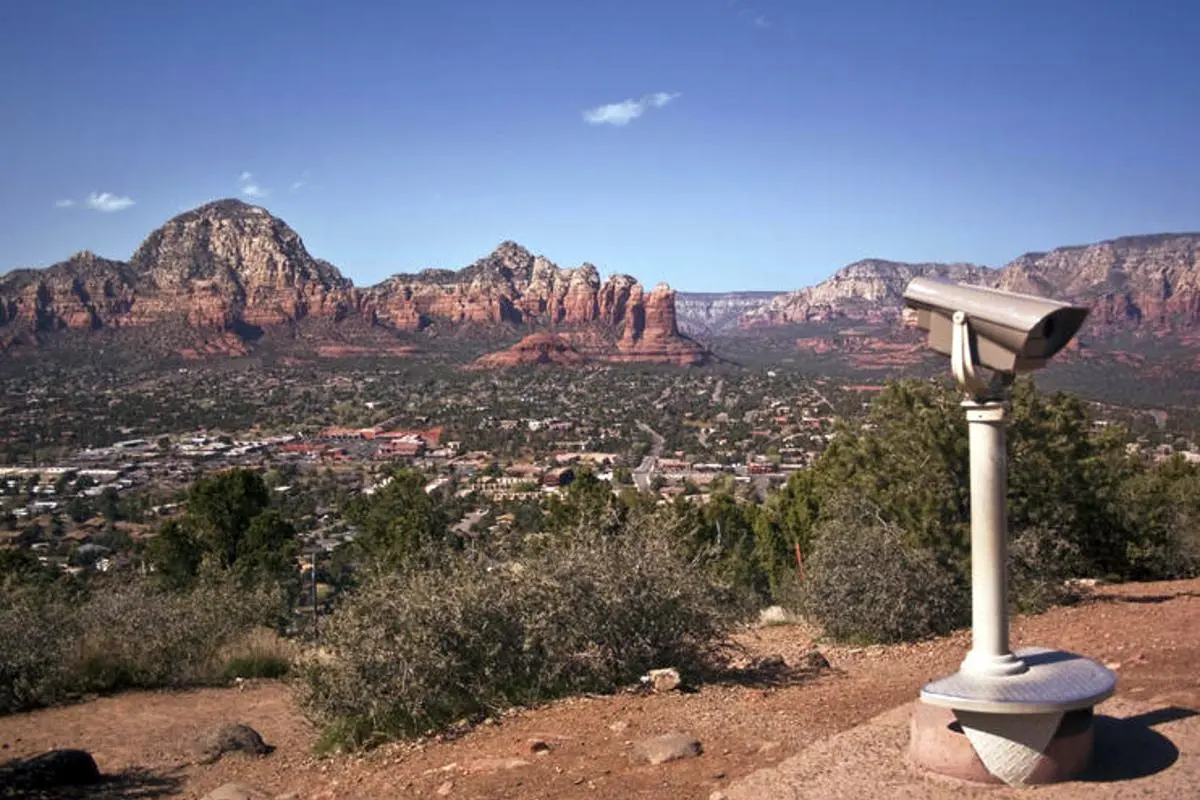
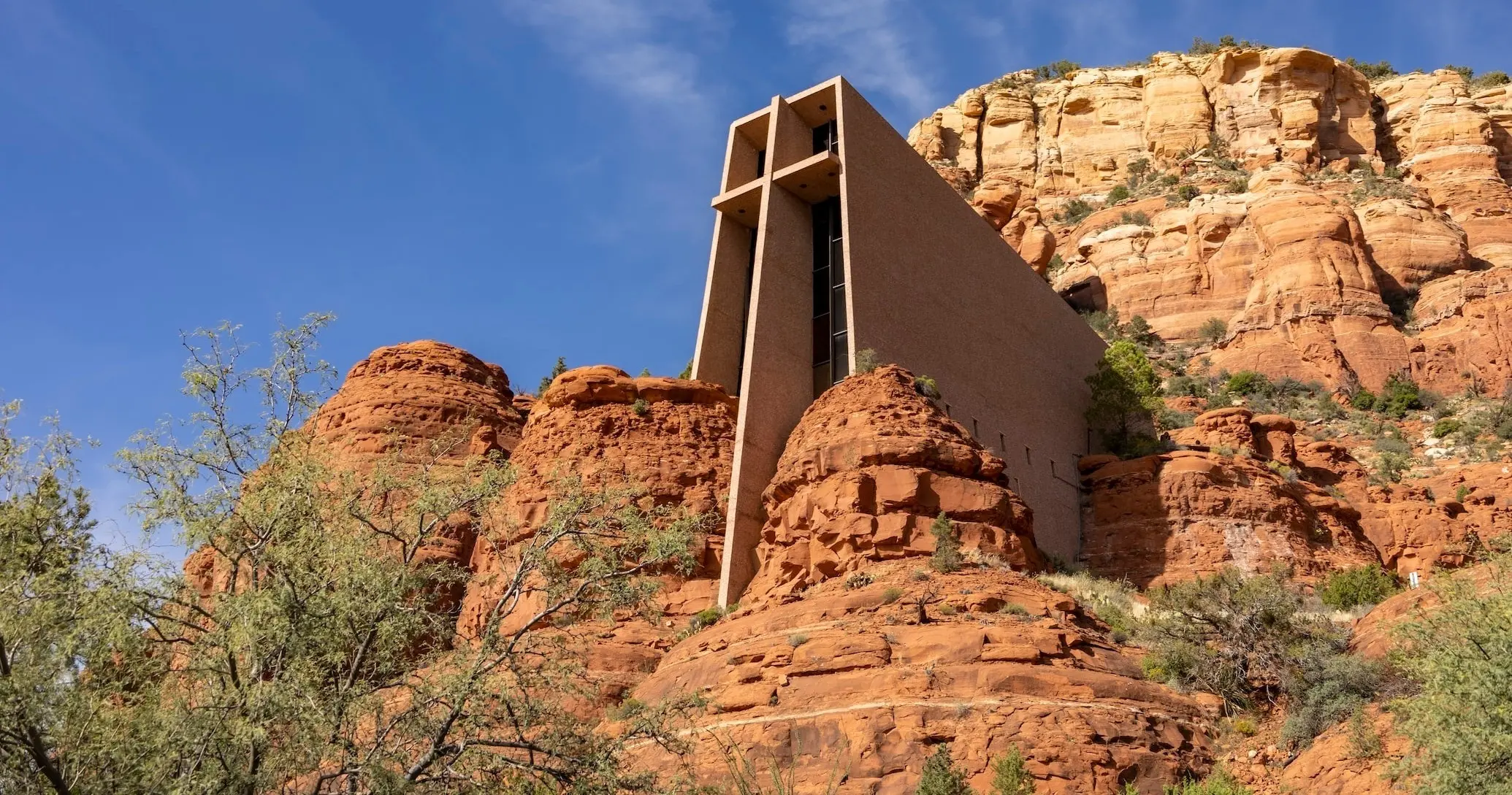
When the morning light first finds the red buttes of Sedona it slides like warm glass across the face of the Chapel of the Holy Cross. You arrive with a handful of other early risers: a photographer setting up a tripod, a couple with coffee in hand, a solitary traveler who looks at the stone like an old friend. The chapel is not a mountaintop retreat reachable only after a long slog — it is built into the rock itself, a human voice pressed into an ancient landscape. From the parking lot a short paved walk and a few ramps deliver you to a vantage point where the chapel’s vertical cross seems to grow right out of the sandstone, a clean slash against strata that remember a tropical sea and eons of wind.

Sedona’s red rock is a geologic storybook. Those vermilion walls are layers of Permian-era sandstone, iron-stained and folded into mesas and spires by uplift and erosion. The Chapel of the Holy Cross sits at roughly 4,500 feet, cut into a sandstone fin that the city calls ‘the buttes.’ The weight of time here is both visual and tactile: the stone has the feel of baked clay and the sky opens wide, a bowl where light moves fast and shadows sculpt the folds of each canyon.

The chapel itself carries a compact, modern American history. Commissioned in the mid-1950s by Marguerite Brunswig Staude and completed around 1956, the structure was conceived as a dramatic synthesis of faith and architecture. Built into the rock face, the chapel’s defining feature is a tall, vertical cross — visible from miles away — that acts as both religious symbol and structural element. When you step inside, the experience changes from panorama to pause: a simple nave, a large window framing red rock like a living altar. The interior is quiet but not solemn; light becomes the medium that connects the human-made to the immovable.

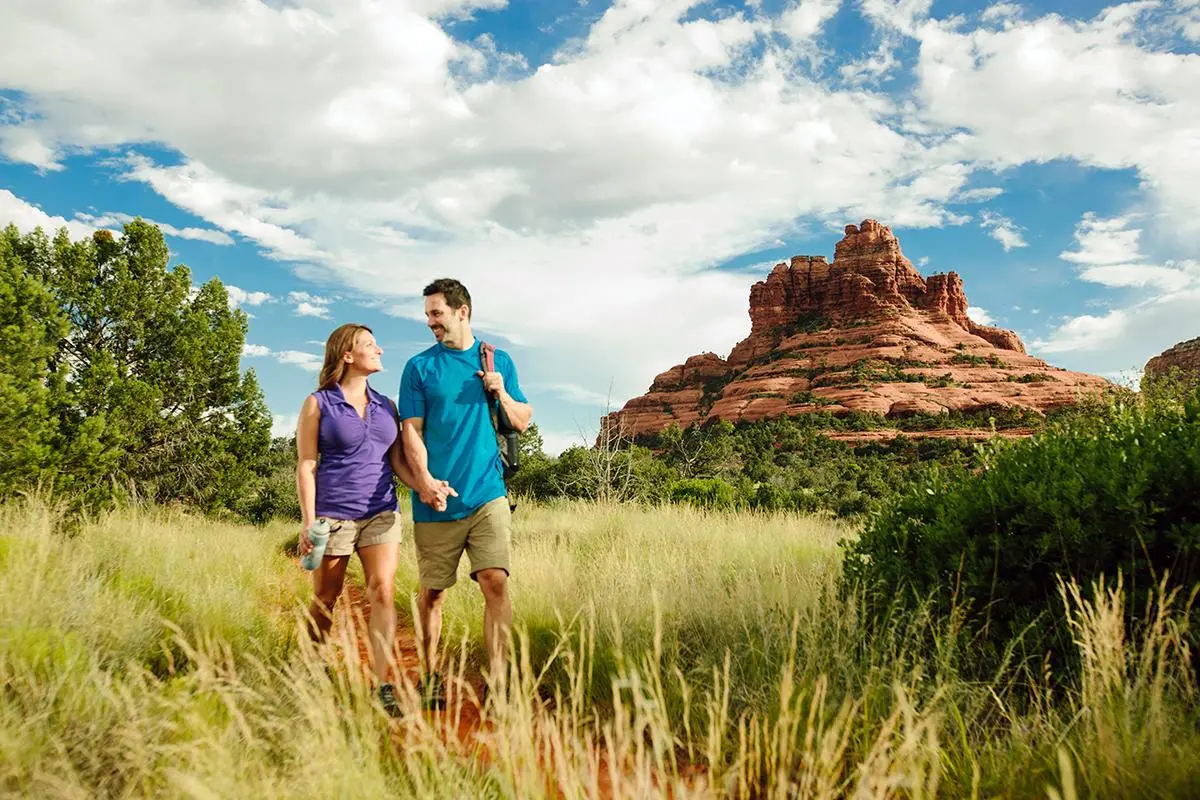
This is not a strenuous outing. Most visitors come for a contemplative hour, a photography session at golden hour, or to combine a quick stop with hikes in the surrounding network of trails. The immediate terrain is pedestrian-friendly: paved approaches, accessible viewpoints, and a short loop known locally as the Chapel Vista Trail (roughly 0.6–1.0 mile round-trip with 100–200 feet of elevation gain). Step a little farther and the options multiply — Bell Rock and Courthouse Butte are an easy drive away, offering classic Sedona hikes that stretch into half- and full-day outings.

Why go? Because the Chapel of the Holy Cross is one of those places where the landscape and a single human gesture — thoughtful architecture — magnify each other. It’s a brief, reliable spiritual and visual high that suits travelers who like their pilgrimage compact: no long backcountry adventure, but a site that delivers the same rewards of perspective, quiet, and sweep.

Practical guide. Timing matters. Arrive at dawn for the clearest light and smallest crowds; late afternoon offers saturated color and dramatic shadows. Parking is limited; plan for a short wait on busy days. There’s no admission fee, but donations support the chapel’s upkeep. Wear sturdy shoes if you intend to add the Chapel Vista Trail or nearby dirt trails; sandals or flip-flops are fine for the paved approach, but they’ll limit your freedom to explore. Bring water — Sedona’s high-desert sun can dehydrate you quickly — and sunscreen.

Photography tip: the juxtaposition of interior darkness and exterior brightness can fool your camera. Bracket exposures if you want both the window view and interior details, or shoot the exterior at golden hour with a wide-angle lens to emphasize scale. A polarizer tames glare and deepens the blue sky.

Culture and community. Sedona is more than red rock and Instagram shots. It’s a small town with an artist economy, Native American history, and a modern spiritual tourism industry. The chapel is non-denominational in appeal and has long been a quiet magnet for contemplative visitors. Nearby galleries, local markets, and the Tlaquepaque Arts & Shopping Village provide context for a day spent between nature and culture: potters, painters, and jewelry-makers working in the same high-desert light that draws you to the chapel.

Leave-no-trace matters here. The sandstone is fragile; climbing on formations or wandering off trail accelerates erosion and damages cryptobiotic soils that take decades to recover. Respect designated paths and packing out trash keeps the place intact for the next person who wants to watch light cut across that vertical cross.

When to plan. Fall and spring offer the most comfortable daytime temperatures for pairing the chapel with longer hikes; summer is very hot and winter can bring unexpected freezes and slick rock. Combine your visit with a sunset at Airport Mesa or a morning hike on Bell Rock for a full Sedona day that balances the stillness of the chapel with the kinetic energy of the trails.

In short: the Chapel of the Holy Cross is a compact, potent Sedona experience — spiritual architecture that reads like a natural feature, an excellent stop for photographers, contemplatives, and anyone who wants an accessible taste of why this landscape matters. It’s a place where the land seems to answer, not to drown out, the human voice.
Duration30 minutes–2 hours
Plan your visit

Trail Wisdom

Go for sunrise or late afternoon

Early morning and late-afternoon light render the red rock and chapel cross most dramatically and the parking lot least crowded.

Bring water and sun protection

Even short walks in Sedona’s high desert require at least one liter of water per person and sunscreen to avoid dehydration or sunburn.

Respect fragile sandstone

Stay on paved walkways and designated trails to protect cryptobiotic soil and prevent erosion; avoid climbing on formations.

Combine with nearby hikes

Add the Chapel Vista Trail (0.6–1.0 mile round-trip) or drive to Bell Rock for longer hikes; wear sturdy shoes for unpaved sections.

Local Knowledge

Hidden Gems

  • Chapel Vista viewpoint (short loop with quieter views)
  • Tlaquepaque Arts & Shopping Village — a nearby arts enclave for post-visit browsing

Wildlife

mule deer, red-tailed hawk

Conservation Note

Stick to established paths and avoid climbing on sandstone; the desert’s cryptobiotic soils and rock surfaces are fragile and recover slowly from disturbance.

Commissioned in the mid-1950s by Marguerite Brunswig Staude and completed around 1956, the chapel is a mid-century architectural landmark integrated into Sedona’s red rock.

Seasonal Guide

spring

Best for:wildflower viewing, pleasant hiking temps, photography
Challenges:busy weekends, occasional afternoon storms

Spring brings comfortable temps and blooming desert plants — ideal for combining chapel visits with longer hikes, though expect crowds on weekends.

summer

Best for:early-morning visits, night photography, short walks
Challenges:high daytime heat, strong sun exposure

Summer mornings are the best time to visit; midday heat can be intense so plan brief outings and bring ample water.

fall

Best for:crisp air and saturated colors, comfortable hikes, sunset photography
Challenges:variable temps between day and night, seasonal crowds

Fall is arguably the optimal season for balanced temperatures and dramatic light — great for pairing chapel time with longer trail adventures.

winter

Best for:clear vistas, fewer crowds, snow-dusted red rock photos
Challenges:possible icy patches on stairs and trails, shorter daylight hours

Winters can be scenic with snow on the rocks; exercise caution on slick surfaces and plan visits during daylight hours.

Photographer's Notes

Shoot the exterior at golden hour with a wide-angle lens to convey scale; bracket interior and exterior exposures to retain detail in the chapel window view; use a polarizer to deepen skies and cut glare.

What to Bring

Sturdy trail shoes

Essential

Support and traction for the paved approaches and nearby dirt trails.

Water bottle (1L+)

Essential

Hydration is critical in Sedona’s high desert, even for short visits.

Sun protection (hat + sunscreen)

Essential

The exposed rock and thin air make sun protection essential year-round.

○

Camera with wide-angle lens

To capture the chapel’s relationship to the red-rock panorama and interior window framing.

Common Questions

Is there an admission fee to visit the Chapel of the Holy Cross?

No admission fee; donations are accepted to help with maintenance and operations.

How long should I plan for a visit?

Plan 30 minutes for a quick visit, 1–2 hours if you add the Chapel Vista Trail or photography time.

Is the chapel wheelchair accessible?

The main approach and viewing area include paved paths and ramps, but some viewpoints and nearby trails have steps or uneven terrain.

Are drones allowed near the chapel?

Drone use is restricted in many parts of Sedona and within the chapel property; check local regulations and the chapel’s policies before flying.

When is the best time to photograph the chapel?

Golden hour — early morning and late afternoon — provides the most flattering light on the red rock and the chapel’s cross.

Can I combine this visit with longer hikes?

Yes; Bell Rock, Courthouse Butte, and several trailheads are nearby and make for easy half-day or full-day outings.

What to Pack

Water bottle (1L+), sun protection (hat + SPF), sturdy shoes for trails, camera for wide vistas

Did You Know

The Chapel of the Holy Cross was commissioned in the 1950s by Marguerite Brunswig Staude and was completed and dedicated in the mid-1950s; its dramatic design was intended to integrate architecture with Sedona’s red rock.

Quick Travel Tips

Arrive early to secure parking; combine the visit with Bell Rock or Courthouse Butte; carry cash or card for donations; check weather for winter ice or summer heat advisories

Local Flavor

Sedona blends Southwestern flavors, Native American influences, and an active arts scene — pair your visit with local Navajo- and Sonoran-inspired cuisine, gallery browsing in Tlaquepaque, and handmade jewelry from regional artists.

Logistics Snapshot

No admission fee; limited parking; accessible paved walkways; plan 30–120 minutes; best light at sunrise or late afternoon.

Sustainability Note

Protect sandstone and cryptobiotic soils by staying on trails, packing out waste, and avoiding climbing on formations — small actions preserve the landscape for everyone.

Topics