River of Concrete and Grass: An Eight-Hour Miami + Everglades Combo

River of Concrete and Grass: An Eight-Hour Miami + Everglades Combo

Two Floridas in one day: throttle into the Everglades, then stroll Miami’s most iconic neighborhoods.

Continue Reading

The day begins with the city still blinking awake: the glass facades of Brickell throw back a pearly sunrise while the smell of strong coffee and frying plantains slips out from Little Havana. You pile into a van with other travelers, backpacks full of sunscreen and curiosity, and the driver steers south. Within an hour the skyline compresses into mangrove silhouettes and the air takes on a different voice—damp, warm, threaded with the scent of wet peat. That change in atmosphere is the promise of the Everglades: a slow, saline-breathing landscape that both soothes and demands attention.

An airboat ride is where the tour sheds its urban skin. The motor lifts the craft like a mechanical wind, and the marsh becomes a stage. Tall sawgrass bristles to either side like an audience waiting for a performer; a dark-eyed alligator surfaces and regards you with primitive calm. The boat pilot throttles back, and you feel the Everglades’ enormous patience. Water is the main actor here—pushing, pooling, routing—enough to carve a national park out of subtropical lowlands and to make Miami’s geography legible if you’re willing to look.

That conversation between city and swamp is what makes this combo compelling. Miami is a newer American city—its story a layered one of Indigenous peoples, Spanish colonists, Cuban and Caribbean migrations, and 20th-century boomtown reinvention. The Everglades are older in a geological sense: porous limestone and the slow, erosive work of water created a flat, peat-and-marl plain. In the 20th century the region became the site of intense development pressure, drainage projects, and later conservation fights led by figures like Marjory Stoneman Douglas, who famously called the Everglades a “river of grass.” That phrasing still matters: the park is a living watershed that feeds Florida’s coasts and, in subtle ways, Miami itself.

Culturally the day tour gives you two different Floridas. In Wynwood you step into an organized riot of murals where graffiti artists made a gallery out of warehouses; in Little Havana you sip cafecito and feel how Cuban rhythms reshape everyday life. In the Everglades you trade painted brick for the biodiversity of wading birds, turtles, and gators. These contrasts are not tidy opposites but coexisting facets—urban culture and wild hydrology braided together, like mangrove roots and concrete foundations.

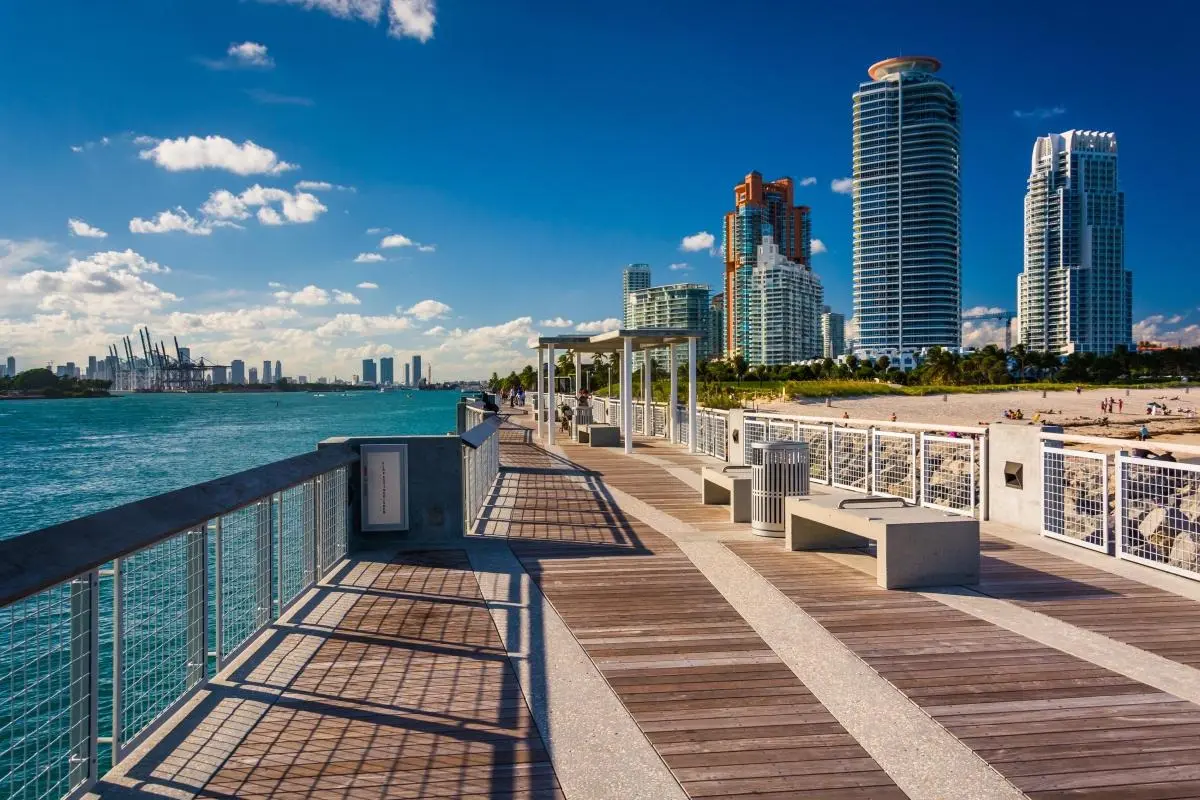
Practicalities you’ll want to know: the full experience runs about eight hours from Miami, with a price starting around $145. Expect an early pickup or meeting point in central Miami, then a 40–60 minute transfer to the Everglades portion. The airboat component is the day’s adrenaline; it’s short but intense—loud, fast, and with long sightlines for wildlife viewing. The city portion moves at the opposite tempo: guided stops in neighborhoods like South Beach, Bayside Marketplace, Wynwood, and Little Havana, each with photo opportunities and short, curated walks.

Terrain and fitness are forgiving. You’ll mostly be getting on and off a van, boarding an airboat, and pacing short walking segments. Bring breathable layers, closed-toe shoes for brief boardwalk hikes or uneven ground, and insect repellent—the Everglades can be brisk with bugs in the wet season. Also bring binoculars or use your phone’s zoom for bird and gator watching; keep both hands free to steady yourself when the airboat spins or when you’re navigating curbs in the city.

Timing matters. The dry season (roughly December–April) is the best window for clearer skies, lower mosquito pressure, and easier wildlife spotting because animals concentrate at remaining waterholes. Summer’s heat and humidity bring mosquitoes and afternoon storms but produce lush plant growth and nesting activity for some bird species. If photography is a priority, aim for golden-hour light in Miami’s neighborhoods and the softer late-morning sun out in the Everglades.

Sustainability and respect: the Everglades is vulnerable—water management, invasive species, and habitat loss are real issues. Don’t feed or approach wildlife. Stay on designated areas when you disembark. In the city, support small, locally owned restaurants (Little Havana’s ventanitas for a quick cafecito are a good example) rather than global chains; it keeps money where the culture lives.

Why book this as a combo rather than two separate outings? It’s a practical choice for travelers with one day: you get the thrill of natural spectacle without missing Miami’s aesthetic and cultural highlights. For photographers, the contrast is a gift—vivid street murals and powder-sand beaches paired with the muted palette of sawgrass and reflective waterways. For families, the mix of high-energy airboat time and gentle cultural stops keeps most attention spans engaged.

Final logistics and tips: confirm pickup details the night before, dress in layers because the coastal breeze can be cool early, and waterproof your camera or phone for the boat ride. If you want a quieter experience, travel in shoulder season mornings. And remember: Miami’s energy and the Everglades’ patience are both contagious—this day tour lets you drink deeply of both.

On balance, the Everglades Adventure and Miami City Tour is less about conquering a single place and more about calibrating to two different ones within a single day—a city that pulses with heat and color, and a marsh that moves with water’s patient logic. For the traveler who wants variety without logistics fatigue, it’s an efficient and emotionally resonant choice.
Duration8 hours
Group Size1–14 Guests
LanguagesEnglish
Rating5.0 (3 reviews)
Plan your visit

Trail Wisdom

Bring bug protection

Apply EPA-approved insect repellent before boarding—mosquitoes are most active in warmer months and near marshes.

Dress in breathable layers

Mornings in the city can be cool while the Everglades heats up—light layers and quick-dry fabrics are ideal.

Protect your electronics

Use a wrist strap or small drybag for phones/cameras on the airboat; spray and wind are common.

Keep a respectful distance

Do not feed or approach wildlife—guides will point out good viewing spots that are safe and legal.

Local Knowledge

Hidden Gems

  • Grab a cafecito from a ventanita in Little Havana for an authentic taste.
  • Stop briefly at a Wynwood alley to find local street artists and small galleries off the main blocks.

Wildlife

American alligator, Great blue heron

Conservation Note

The Everglades is a UNESCO World Heritage Site and faces threats from water diversion and invasive species; visitors should avoid feeding wildlife and stay on designated paths.

The Everglades were described by Marjory Stoneman Douglas as a 'river of grass'—her conservation writing helped shift public perception and policy in the 20th century.

Seasonal Guide

spring

Best for:Birdwatching, Mild temperatures, Fewer crowds than peak winter
Challenges:Occasional storms late season, Migratory species may be transient

Spring offers comfortable temperatures and strong bird activity, but be prepared for sporadic rain showers.

summer

Best for:Lush landscapes, Active wildlife, Long daylight hours
Challenges:High heat and humidity, Frequent afternoon thunderstorms, More mosquitoes

Summer is dramatic and verdant; plan early starts, carry hydration, and expect storms in the afternoon.

fall

Best for:Warmer waterbird activity, Fewer tourists than winter, Color transitions in urban foliage
Challenges:Hurricane season tail risk through November, Variable conditions

Fall balances warm days and thinning crowds, but keep an eye on tropical weather forecasts.

winter

Best for:Dry conditions, Comfortable temps, Excellent wildlife viewing
Challenges:Higher tourist volume, Cooler mornings

Winter is the optimal time for clear skies and wildlife visibility, though tours can book up—reserve in advance.

Photographer's Notes

Use a fast shutter for airboat action and a telephoto lens (200–400mm) for wildlife; early morning light is best for both city streets and marshes—shoot wide in Wynwood to capture murals, and switch to portrait orientation for birds.

What to Bring

Reusable Water Bottle

Essential

Stay hydrated across warm city streets and the Everglades—refill when possible.

○

Light Rain Shell

Compact protection for afternoon showers common in the wet season.

○

Binoculars

Helps with bird and wildlife viewing from the airboat and boardwalks.

Insect Repellent

Essential

Necessary in warm months to reduce mosquito bites during marshside stops.

Common Questions

How long does the combined tour take?

The full experience runs about eight hours, including transfers between Miami and the Everglades, an airboat ride, and guided neighborhood stops.

Is the airboat ride safe for children?

Yes—airboats are family-friendly, though children should be supervised and wear provided hearing protection due to engine noise.

Will I see alligators on the tour?

Guides know high-probability areas, and sightings are common—especially during the dry season when animals concentrate near water.

Do I need to bring cash for the city stops?

Many places accept cards, but small vendors—particularly in Little Havana—often prefer cash for quick purchases like cafecito.

Is this tour wheelchair accessible?

The city portions are generally accessible, but the airboat and some Everglades boardwalks may not accommodate full wheelchair access—check with the operator in advance.

What should I wear for the airboat?

Closed-toe shoes, a hat, sunglasses, and a lightweight long-sleeve shirt to protect from sun and spray are recommended.

What to Pack

Reusable water bottle (hydration), insect repellent (bugs near marsh), sunscreen and hat (sun protection), closed-toe shoes (boardwalks and boat safety)

Did You Know

Everglades National Park is a UNESCO World Heritage Site, a Wetland of International Importance, and an International Biosphere Reserve.

Quick Travel Tips

1) Book in advance during winter; 2) Carry small bills for street vendors; 3) Start early to avoid afternoon storms in summer; 4) Bring a small drybag for electronics on the airboat

Local Flavor

After the tour, head to Little Havana for authentic Cuban sandwiches and strong coffee, then stroll Wynwood for craft breweries and iconic murals—both neighborhoods pair well with the day’s contrasts.

Logistics Snapshot

Closest airport: Miami International Airport (MIA). Typical driving time to Everglades pickup: 40–60 minutes from downtown. Cell service: reliable in Miami, patchy in the Everglades. Permits: none required for this guided tour.

Sustainability Note

This tour enters a sensitive watershed—avoid feeding wildlife, dispose of trash properly, and follow guide instructions to limit disturbance to habitats.

Topics

Included

  • Bottled water
  • Air-conditioned vehicle

Good to Know

  • Infants and small children can ride in a pram or stroller
  • Service animals allowed
  • Public transportation options are available nearby
  • Travelers should have at least a moderate level of physical fitness