River of Grass, Prop Wash, and Tribal Tracks: An Everglades Open-Airboat Ecotour

River of Grass, Prop Wash, and Tribal Tracks: An Everglades Open-Airboat Ecotour

Skip the crowds—skirt private tribal preserves, spot gators and spoonbills, and learn from Indigenous guides on a four-hour open-airboat ecotour.

Continue Reading

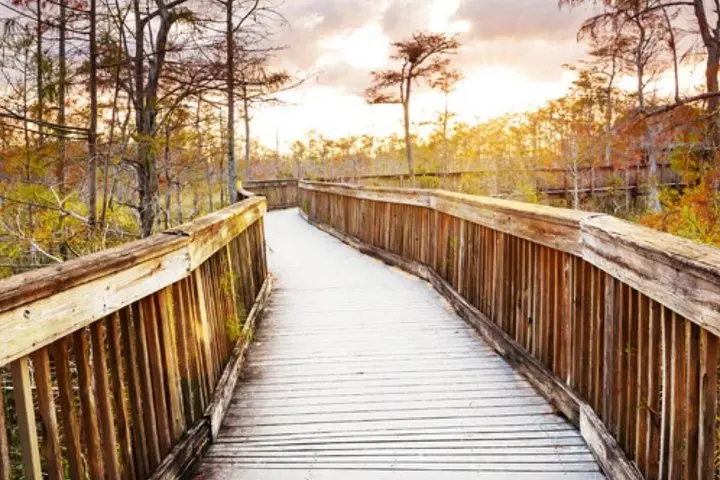
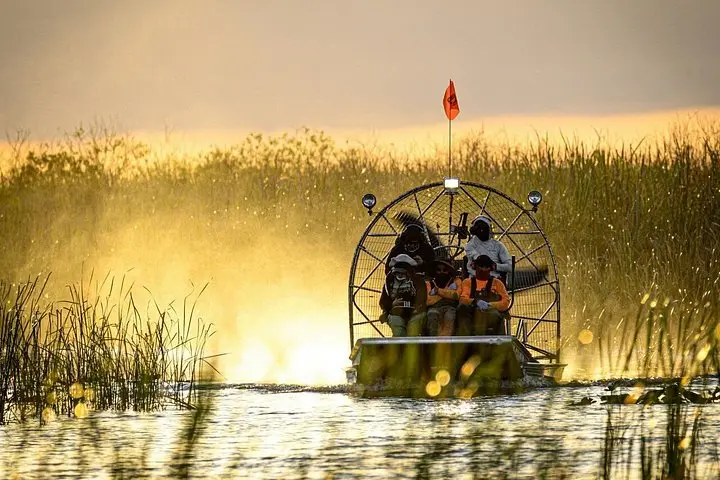
You don’t arrive so much as you are invited—pushed, really—by a flat, green sea. The open-airboat cuts into that sea with a low, insistent thrum; sawgrass folds and unfolds like ocean swells and the air smells of peat and salt. At first the landscape feels monolithic: endless reeds, a sky so big it makes you small. Then a head pops up—a gator’s eye, a heron unfolding like a postcard. Between each roar of the prop you hear the Everglades’ quieter music: the slap of a tail on water, insects busy in the sawgrass, a far-off call of a wood stork.

This tour—Everglades Ecotour: Exclusive Tribal Lands Open Airboat and Guide—was built to let those smaller moments breathe. Instead of the blockbuster crowds and staged photo-op stops, the route slips into privately managed tribal lands where guides from the local Indigenous community lead the way. On a four-hour outing from Miami you’ll get door-to-door pickup, a fast open-airboat skimming mangrove tunnels, and long pockets of time to watch wildlife and ask questions. It’s the kind of trip that balances spectacle with intimacy: fast enough to thrill, slow enough to understand.

Geology and hydrology set the rhythm here. The Everglades is not a river in a channel but a slow sheet of water—“a river of grass”—that flows south from Lake Okeechobee toward Florida Bay. That sheet flow carved peat and marl soils, shaped sawgrass prairies and mangrove fringes, and made this corner of Florida a mosaic of habitats. The area’s story is about water: how it moved, how people built against it, and today how restoration efforts are trying to bring back the old pulse.

Culture is threaded through the ride. The Miccosukee and Seminole people have lived in and around these wetlands for centuries; tribal-owned conservation lands are a reclamation of access and stewardship. Guides from tribal communities are more than narrators—they are stewards who explain how traditional knowledge aligns with modern conservation, how the ebb and flow of water dictates hunting and harvest patterns, and why access to certain sites is limited to protect culturally sensitive areas.

Wildlife is the headline: American alligators bask along the banks, great blue herons stalk the shallows, and otters slip like living commas. Bird watchers will love the variety here—ibis, roseate spoonbills, and kites appear in quick succession. You’ll learn to read the habitat like a local: where the water is deeper, where snakes like to coil, and why certain channels attract schools of fish. Note: the American crocodile also lives in South Florida waters, though sightings are rarer and usually closer to coastal mangroves.

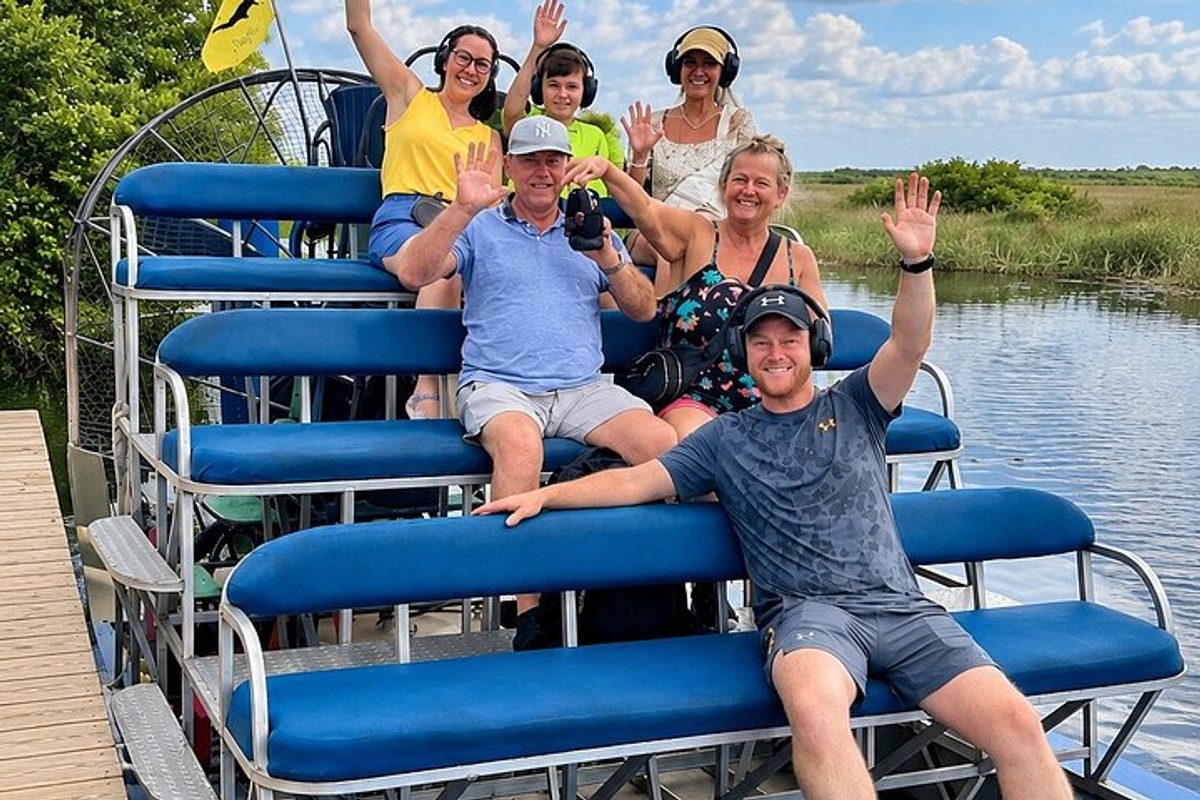
Practical reality keeps the poetry honest. The tour runs about four hours and includes hotel pickup in Miami; the ride itself is fast and exposed—expect wind, spray, and a loud motor. Bring hearing protection if you prefer quiet, and keep cameras and phones in waterproof cases. Guides often allow slow cruising and engine-off stops for photography and wildlife observation; this is where the tribal-lands access shines: quieter channels, fewer boats, and more time when wildlife is active.

Why go? Because this is the Everglades with a little elbow room. The combination of exclusive tribal access and small-group boats means less noise, more wildlife, and a better chance to connect with the place on its own terms. It’s an ecotour that respects both the land and the people who live on it—the kind of trip that changes how you think about Florida beyond the beaches and theme parks.

Who it’s for: casual outdoorspeople who want a memorable half-day escape from Miami; photographers chasing birds and close-up alligator shots; culture-curious travelers who want Indigenous perspective rather than a checklist experience. It’s not a strenuous outing—there’s no hiking required—but it rewards curiosity: ask questions, listen to the guides, and be ready to shift plans when wildlife decides to show up.

On logistics: tickets start from $119, the company promises small groups and free hotel pickup, and the open-airboats are fast and maneuverable. Expect basic restrooms at the departure point and limited cell service once you’re deep in the marsh. Respect the land—do not feed wildlife, stay on the boat unless directed otherwise, and take everything you bring back with you.

A final note on temperament: the Everglades is an honest place. It will thrill you with a sudden flock of roseate spoonbills, admonish you with bug-filled nights if you ignore repellent, and humble you with how water shapes everything. This tour hands you the prop-wash and the context—history, ecology, and culture—so you can leave with stories worth telling and, ideally, an appetite to learn more about restoration efforts and Indigenous stewardship in South Florida.
Duration4 hours
Group Size1–14 Guests
LanguagesEnglish
Rating5.0 (1 reviews)
Plan your visit

Trail Wisdom

Bring hearing protection

Airboats are loud; earplugs or headphones make conversation and wildlife listening easier.

Waterproof your gear

Phone, camera, and a small dry bag will protect electronics from spray during fast runs.

Dress for sun and wind

A hat, polarized sunglasses, and a light long-sleeve layer will protect you from sun and prop-blown debris.

Binoculars for birding

A small pair of 8x binoculars reveals wading birds and distant wildlife without disturbing them.

Local Knowledge

Hidden Gems

  • Shark Valley observation tower (for a different perspective of the river-of-grass)
  • Miccosukee Indian Village cultural demonstrations and craft stalls

Wildlife

American Alligator, Great Blue Heron

Conservation Note

Tribal conservation lands protect critical habitat and cultural sites; responsible tours limit disturbance, avoid feeding wildlife, and support local stewardship.

The Everglades has been home to Indigenous communities for centuries; the area’s modern conservation history centers around restoring natural water flow after decades of drainage and development.

Seasonal Guide

spring

Best for:Bird migrations, Mild temperatures
Challenges:Intermittent rain showers, Higher bug activity late spring

Spring offers active birdlife and comfortable temperatures—pack light rain protection and insect repellent for late-season days.

summer

Best for:Lush vegetation, Warm water photography
Challenges:High heat and humidity, Afternoon thunderstorms and mosquitoes

Summer is lush but hot; early departures and sun protection are essential, and expect more insects and possible thunderstorm delays.

fall

Best for:Fewer tourists, Warmer water sightings
Challenges:Transitioning weather, Hurricane-season residuals early fall

Fall narrows crowds and keeps warm conditions; stay aware of weather windows during hurricane season and bring layered rainwear.

winter

Best for:Dry season wildlife viewing, Cooler, clearer days
Challenges:Cool mornings, Limited remote services

Winter is peak for wildlife visibility—cooler, drier air concentrates animals in pockets; dress in layers for changing temperatures.

Photographer's Notes

Use a fast shutter (1/1000s) for birds in flight and 1/500s+ for fast boat movement; a polarizing filter cuts glare on the water and deepens skies; keep a mid-range zoom (70–200mm or 100–400mm) for wildlife framing and a waterproof case for your camera—ask guides where to position the boat for best light during early morning or late afternoon.

What to Bring

Reusable Water Bottle

Essential

Staying hydrated is crucial in the subtropical sun—refill before departure.

Waterproof Phone/Camera Case

Essential

Protect electronics from spray during high-speed runs and shallow-water turns.

Binoculars (8x–10x)

Essential

A compact pair helps spot distant birds and alligators without disturbing them.

Insect Repellent & Sunscreen

Essential

Repellent for mosquitoes and reef-safe sunscreen for prolonged sun exposure on the water.

Common Questions

How long is the tour and what’s included?

The experience is approximately four hours and typically includes hotel pickup/drop-off from Miami, a guided open-airboat ride on tribal conservation lands, and local guiding—confirm specifics at booking.

Is the tour suitable for children?

Yes—many families participate; children should be supervised and able to sit safely in the boat. Check operator age or weight restrictions when booking.

Will I see alligators?

Sightings are common but never guaranteed; small-group tribal access improves chances, especially in dryer months when wildlife concentrates.

Is the open-airboat safe for people with mobility issues?

Boats require stepping over a low gunwale and stable footing; contact the operator ahead of time to discuss assistance and accessibility options.

What should I wear?

Light, sun-protective clothing, a hat, polarized sunglasses, and closed shoes that handle wet conditions are recommended.

Are restrooms available?

Basic restroom facilities are typically available at the departure site; once on the water, options are limited—plan accordingly.

What to Pack

Reusable water bottle (hydration), waterproof phone/camera case (protect electronics), insect repellent & sunscreen (comfort and safety), lightweight binoculars (better wildlife viewing)

Did You Know

The Everglades is the largest subtropical wilderness in the United States and is one of the only places where American alligators and American crocodiles coexist.

Quick Travel Tips

Confirm hotel pickup time the night before; arrive with waterproof phone protection; dress in sun-protective layers; bring small bills for local purchases.

Local Flavor

After the tour, head back toward Miami for fresh-caught fish tacos or a casual waterfront spot in Coconut Grove; to connect with local culture, visit the Miccosukee Village for artisan crafts and storytelling when available.

Logistics Snapshot

Closest airport: Miami International Airport (MIA). Typical drive from Miami to departure point: 40–60 minutes depending on traffic. Cell service: intermittent in marsh areas. Permits: none for visitors—this tour provides access to tribal lands as part of the booking.

Sustainability Note

This tour operates on tribal conservation lands—please pack out all trash, do not feed wildlife, and follow guides’ instructions to minimize disturbance to habitat and cultural sites.

Topics

Included

  • Entrance fee

Good to Know

  • Infants and small children can ride in a pram or stroller
  • Service animals allowed
  • Public transportation options are available nearby
  • Suitable for all physical fitness levels