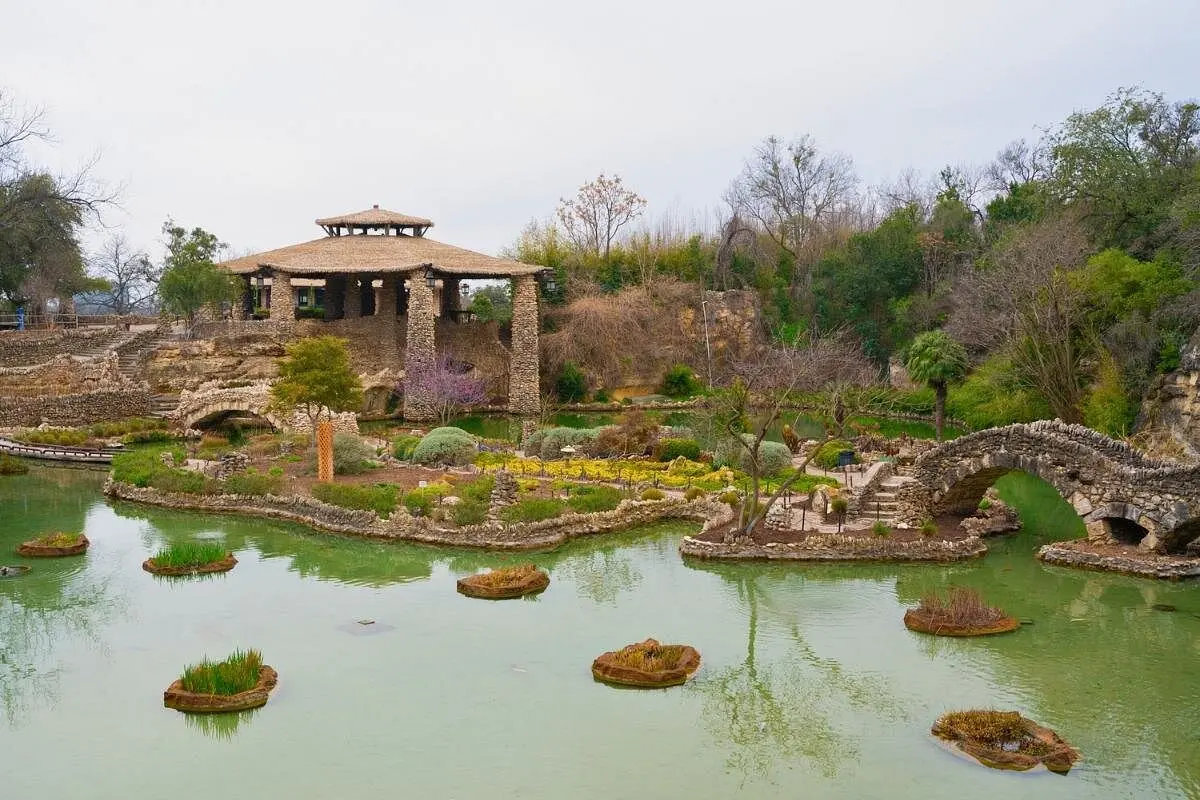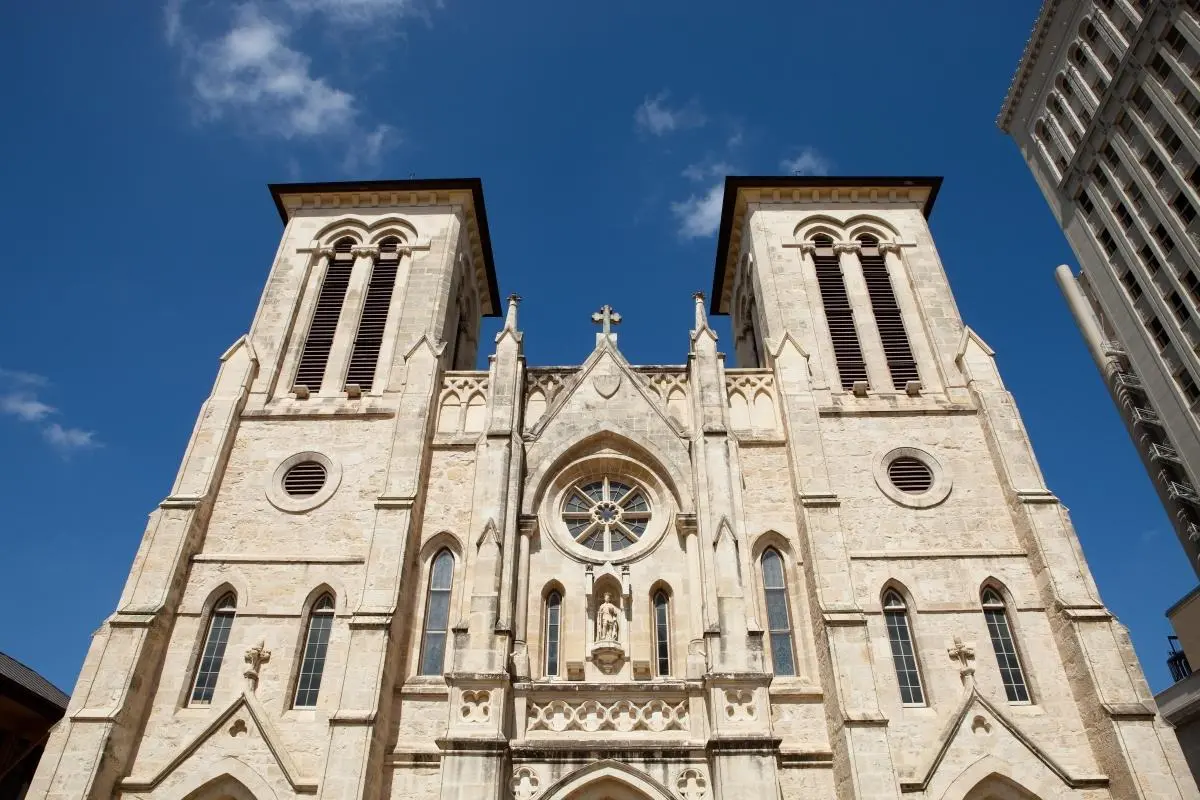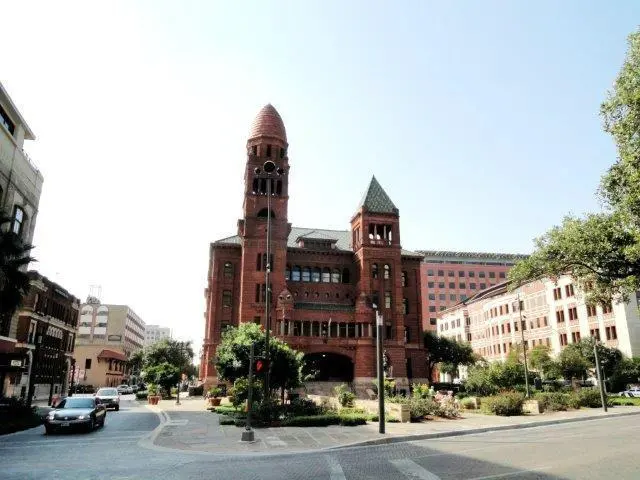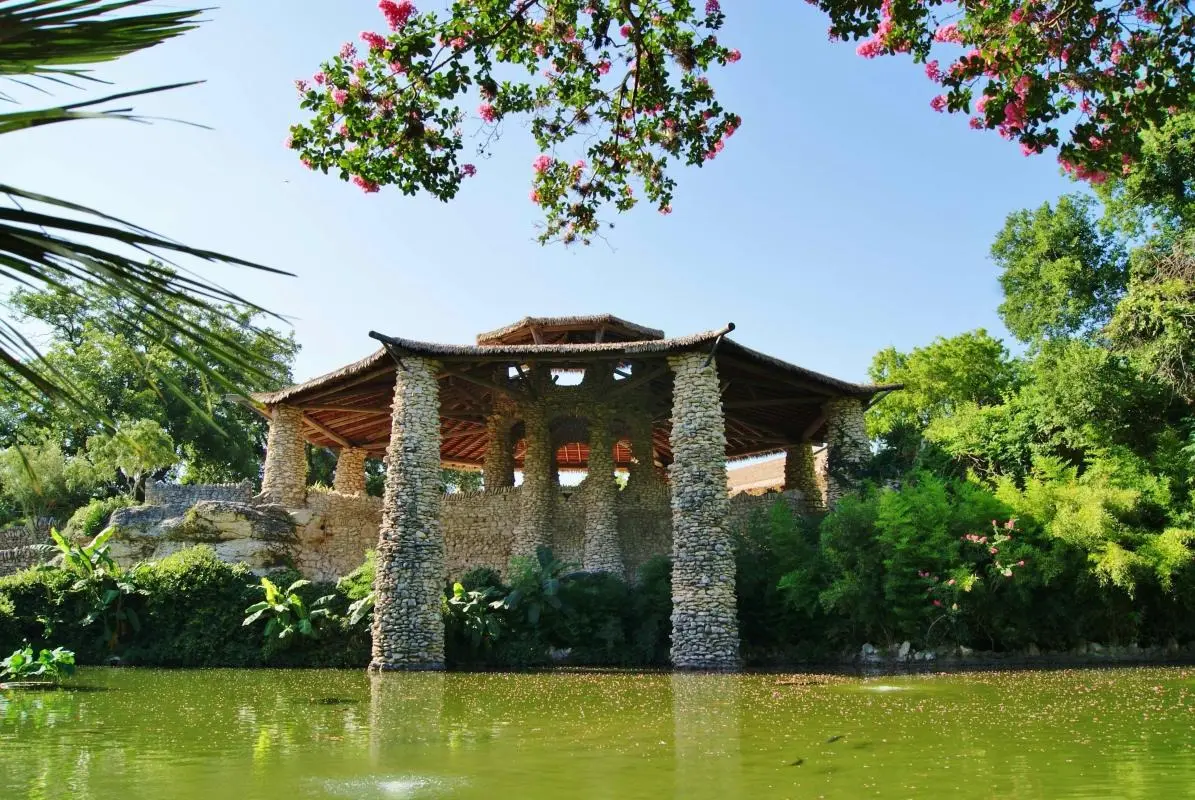
You step off Broadway and into a different tempo: the city’s hum fades, replaced by the soft chatter of the San Antonio River and the steady snap of gravel underfoot. Brackenridge Park unfolds—the long, green spine of a city park that holds pockets of history, engineered stone, and a river that keeps asking you to follow it. Early light threads through live oaks and pecans; the path bends and reveals a banded limestone wall, koi ponds, and carved bridges. There’s no single summit to reach here, only layers—geology, civic memory, neighborhoods—framed by a steady walk that’s as social as it is wild.
This is an urban refuge that reads like a compact national park. The park’s essential components—walking trails, picnic clearings, the Japanese Tea Garden’s ornamental cascades, century-old stone work from a quarry-era, and the familiar shapes of the San Antonio Zoo—fit together with the ease of an old quilt. Walk from the park’s main entrance near Broadway and you can do a flexible loop of 2–4 miles with little elevation change, or expand into longer runs that cross the river and link to the Museum Reach of the River Walk. The surfaces vary: shaded dirt and packed gravel, a few short stretches of pavement, and stairs cut into rock where the land flips height briefly.
History sits visibly in the park’s fabric. Brackenridge Park began with a civic gift at the turn of the 20th century: businessman and philanthropist George W. Brackenridge donated land to the city in 1899, launching a public space that would be refined by New Deal-era stonework and 20th-century park planning. The Japanese Tea Garden—carved from an old rock quarry and reshaped into winding paths and ponds—feels like a deliberate artistic act against the quarry’s raw geometry. Nearby, the Sunken Garden Theater and the Witte Museum fold cultural programming into the park’s landscape, so a morning run can end at an exhibit or an outdoor concert.
Geologically, the park sits where the Edwards Plateau’s limestone meets the San Antonio River’s softer alluvium. You’ll notice it in the stone retaining walls, the quarry stairs, and the exposed bedrock in creek crossings. The river, though modest here, moves with purpose: it mutters under bridges, suggests shady stops, and pushes birds and turtles into the open for easy viewing. If you lean into that personification, the river dares you to linger—casting reflections, rippling around a snag, and occasionally revealing slabs of fossil-bearing limestone.
For travelers, Brackenridge Park is rewarding because it’s adaptable. It’s a place for a gentle morning hike, a family picnic, a photography session focused on water and architecture, or a low-effort nature stop between more intense Texas adventures. The park’s proximity to San Antonio’s cultural core makes it a practical detour: you can combine a trail loop with a museum visit, a zoo trip, or a Tex‑Mex lunch on Broadway.
Practical guidance: the standard loop that takes in the Japanese Tea Garden, the river edge, and the main meadow is roughly 2–3 miles and has under 200 feet of cumulative elevation gain, mostly in short stair sections where the trail negotiates the quarry. Terrain is forgiving—trail shoes or sturdy sneakers suffice. Parking is available along Broadway and at designated lots; arrive early on weekends to find the best spots. Water refill stations are limited; carry 1–2 liters per person for a few hours, more if you’ll jog or cycle. Facilities include restrooms near the zoo and main park area; however, they can close earlier than park hours, so plan accordingly.
When to go: spring is peak for wildflowers and comfortable temperatures; mornings and late afternoons are best in summer to avoid heat. Fall brings stable, pleasant weather, and winter offers clear light and fewer crowds. Wildlife is approachable—herons and egrets patrol the river edges, turtles bask on logs, and migratory birds pass through in spring and fall—making the park a quiet but reliable spot for birdwatching.
Tips for timing and pacing: aim for sunrise if you want soft light and cooler temperatures; late afternoon provides warm contrast for photos and a more social atmosphere. If you’re bringing kids or a mixed group, map a 1–2 mile loop that includes the Tea Garden and a shaded picnic area—those are natural stopping points.
Good stewardship matters. Stick to marked trails to preserve riparian vegetation, bag and pack out waste, and avoid feeding wildlife. The park’s green networks depend on small behaviors: keeping dogs leashed, respecting murals and historical stone, and using trash receptacles or carrying your rubbish with you.
Why travelers should go: Brackenridge Park is both a gentle nature reset and a culturally rich urban park that can be slotted into almost any San Antonio itinerary. It’s where geology meets civic history, where engineered gardens soften into river edges, and where a short loop can feel like a meaningful escape from the built environment without a long drive. For anyone curious about the ways cities keep wildness alive, this is a short, digestible primer—easy to reach, easy to enjoy, and surprisingly deep once you start paying attention.