The day starts with the hush that only a salt marsh can make—wind combing the spartina, an egret lifting off like a quiet promise. You push off from 2 Hudson Road into the green-brown muscle of Port Royal Sound, a tidal engine that seems to breathe. The bow nudges out, the outboard clears its throat, and the water answers—smelling faintly of pluff mud and new beginnings. Dolphins surface, exhaling small silver ghosts in the morning light. The Sound is awake and it’s daring you to find what’s cruising beneath.
This three-hour sprint is Hilton Head Island distilled: quick, wild, efficient. A Hilton Head fishing charter doesn’t fuss. It lines you up on an edge where current meets structure, hands you stout tackle, and lets the Lowcountry make the introductions. Bonnetheads slip like commas through the flats. Blacktips patrol the seams. Somewhere deeper, a bull shark keeps counsel with the tide. Twenty-seven species of shark haunt these waters through the year—more variety than a tackle shop wall. You bait up, drop in, feel drag talk back, and a heartbeat later the Sound gives a tug that can turn the day.
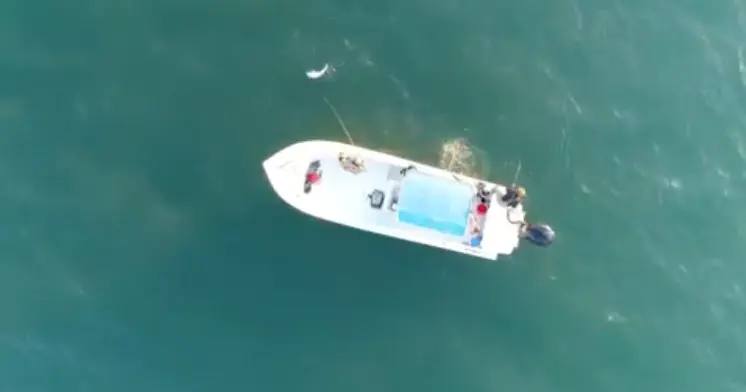
The captain reads water like a book, where each tide line is a sentence and each bait pod a plot twist. Port Royal Sound is one of the East Coast’s deepest natural estuaries, a drowned river valley funneled by barrier islands and ruled by a six-to-eight-foot tide swing. The currents don’t just run; they steer. On a shark fishing charter here, you use that push to your advantage—setting baits along ledges, drifting the scent through channels, letting the tide do some of the work. When the rod finally folds and the line peels, it’s the Sound moving through the fish and the fish moving through you.
If you’re new to the Lowcountry, it helps to know this landscape was built by water and time. Hilton Head is a thumbprint of ancient sands stitched together by oyster reefs, cordgrass, and the stubborn will of live oaks. This mix made a powerhouse nursery for marine life—exactly why shark diversity is so high and why bottlenose dolphins seem to show up like neighbors on an evening walk. For a tight three-hour window, you step into that cycle, watching pelicans skim the chop while you set the spread. The marsh doesn’t sit still. It nudges. It insists.
There’s culture in the background, too. A short ride from these docks lies Mitchelville, the first self-governed town of formerly enslaved people in the United States—a reminder that Hilton Head’s story is not only tidal but human. Gullah Geechee traditions still flavor the island, heard in the cadence of place names and tasted in the seafood that defines the coastline. Back at the dock, you can smell the history: shrimp boats at rest, nets hung like patched flags, a lineage of work and water.
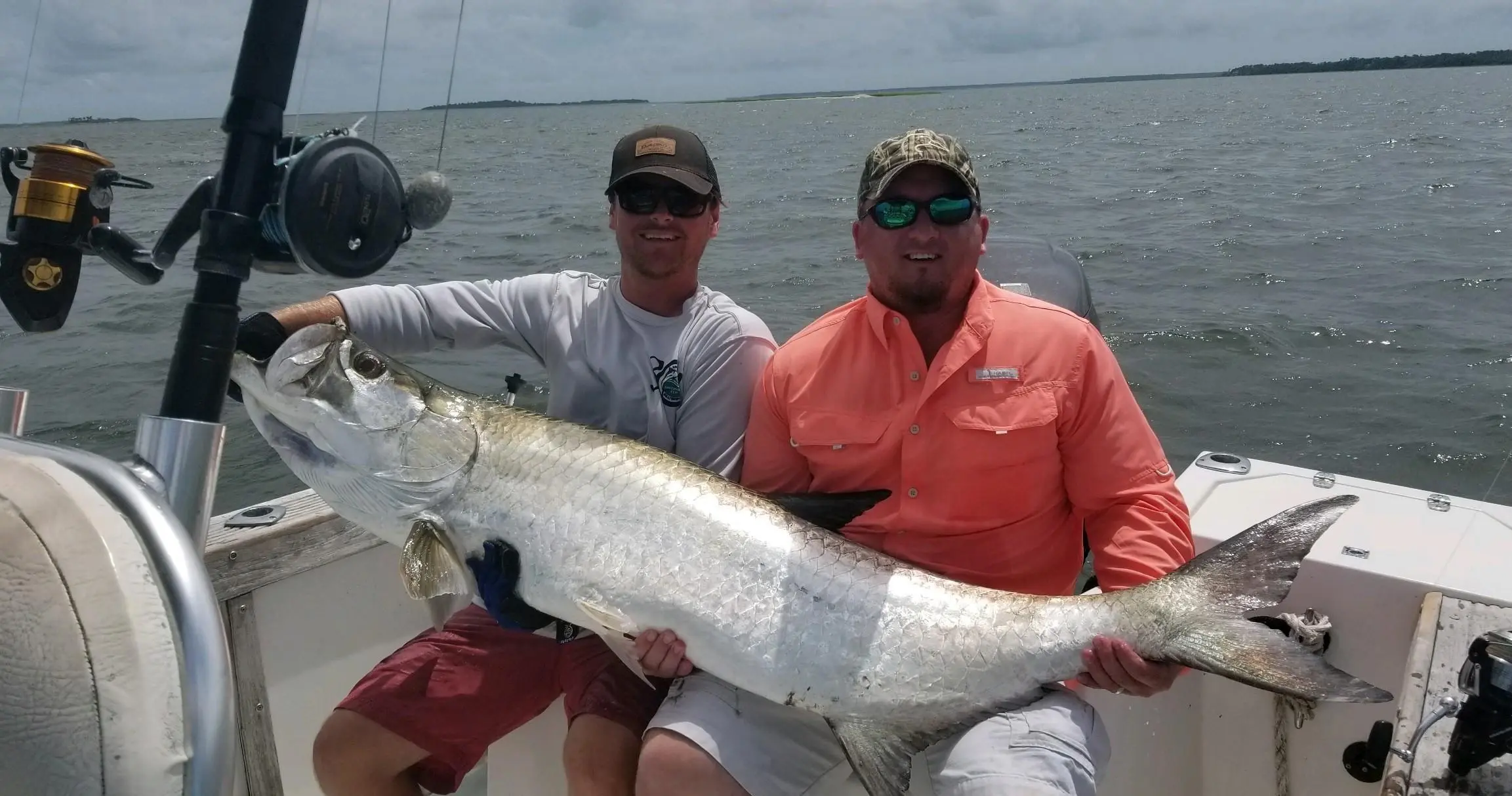
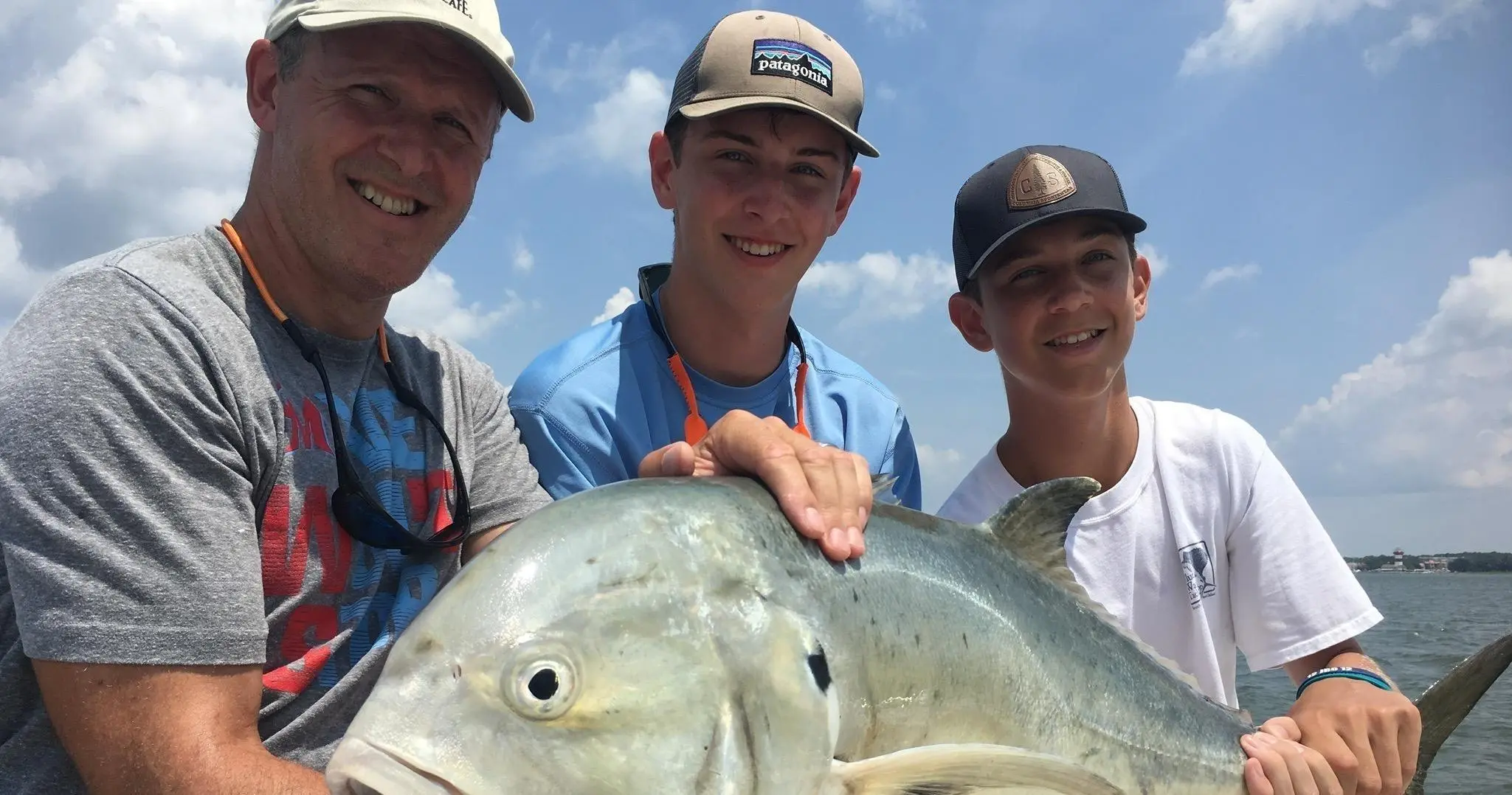
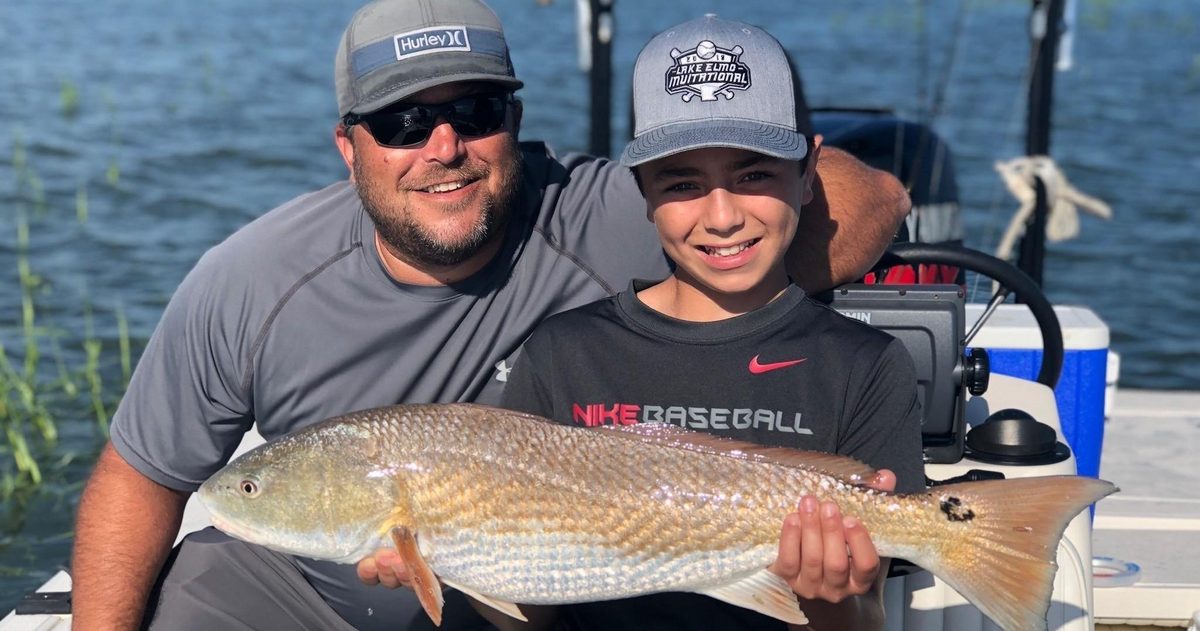
The beauty of this trip is how practical it is. Three hours is enough time to work an incoming tide, hit two or three spots, and keep the day open for beach time or a sunset dinner. You don’t need to be an expert. The gear’s on board. The license is covered. The captain handles the rigging, the knots, the boat handling, and the talk about when to strike and how to ease off. Bring polarized sunglasses, a sun hoodie, non-marking shoes, and the right attitude. The rest? Let the Sound sort that out. And if the sharks are shy, the bycatch can be a blast: redfish with shoulders, feisty bluefish, jacks that argue with drag. Dolphins often shadow the action, rolling in the slick like they own the lease. They do.
Odds are good you’ll hook into sharks—it’s the headline for a reason—but the memory you carry off the boat is the rhythm of the place. The way the current builds and releases. How the wind bounces off the cordgrass and whispers errands for the day. The Sound is a partner, not a backdrop. It nudges you to pay attention. This is a charter that respects that pact. Keep hands clear, keep your eyes scanning the rips, and stay ready. Three hours can feel like ten minutes here because the water doesn’t waste time. Neither should you.
Planning-wise, aim for shoulder seasons if you like human quiet and softer sun—May and October ride that balance well. Summer brings the heat and a burst of shark activity; spring and fall are forgiving, with clear mornings and lively bait. Winter can surprise with calm bluebird days, though action slows. Book early for dawn or late-afternoon slots when the light behaves and the tide is either leaning in or letting go. If you’re prone to seasickness, prep ahead; the open stretches of Port Royal Sound can gather a short chop when wind and tide don’t agree. Still, on most days, this is a gentle ride—the kind that makes you believe the water’s rooting for you.
Afterward, pair the salt still stuck in your hair with something local. Hudson’s Seafood is steps from the dock and tastes like the island—oysters on the half shell, hushpuppies, and views that let you keep an eye on the tide while you rehash the stories. Or wander over to the Coastal Discovery Museum to put names to the creatures you just met. Either way, let the day linger. The Sound has a way of following you off the water.
Short, strong, and right-sized for anyone who craves a clean hit of coastal adrenaline, this Hilton Head fishing experience delivers. The marsh breathes. The current decides. The rod bends. You’re in the conversation now, and the Sound—patient, insistent—makes sure you listen.