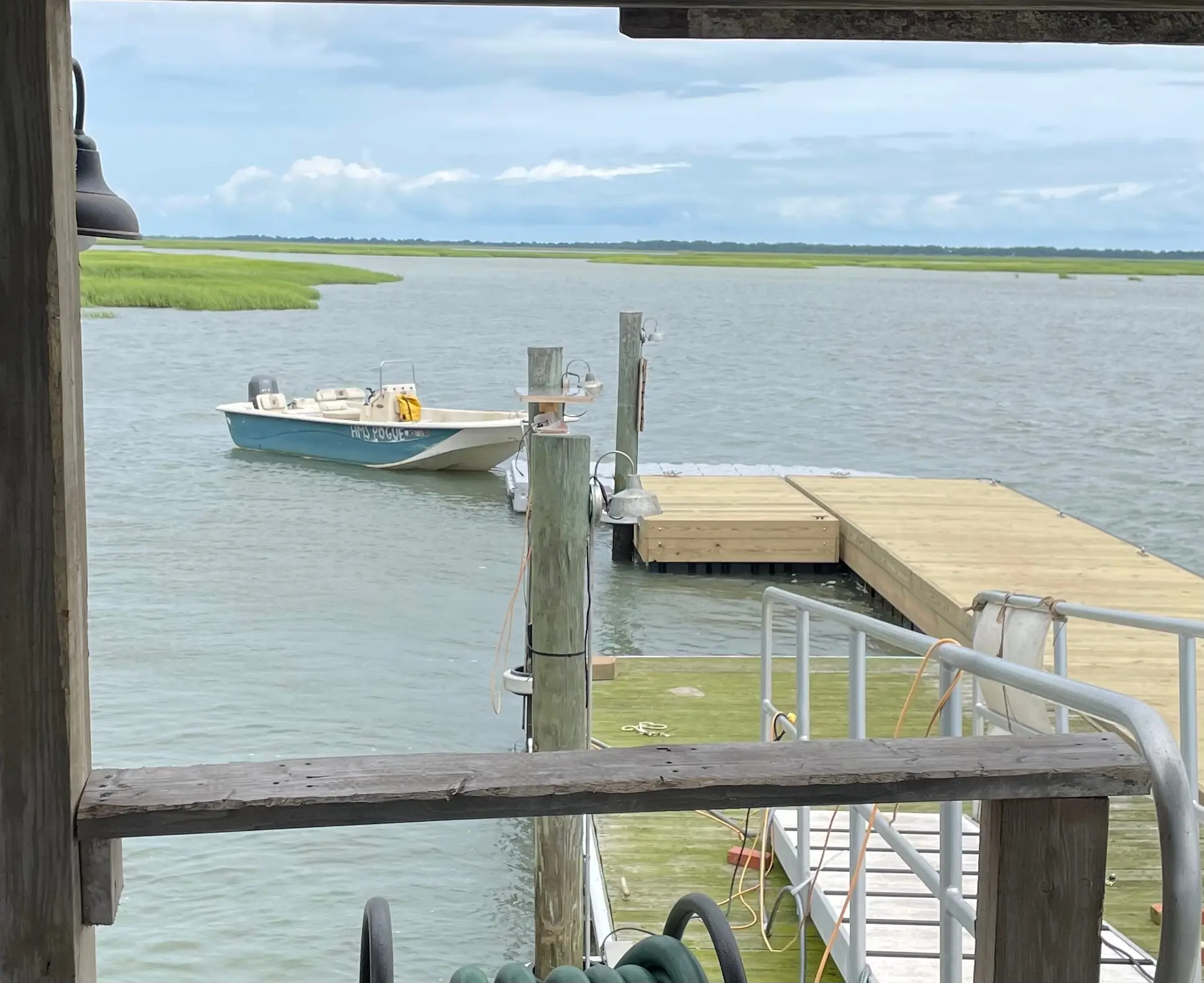
The tide is already on the move when the boat noses out from Shem Creek, sliding past shrimp boats that wear their working days like badges—nets bundled, hulls salt-crusted, gulls orbiting with expectation. The marsh on either side exhales the clean, mineral smell of pluff mud. Spartina grass stands at attention, then shivers as the breeze pushes through. Somewhere ahead, a dolphin surfaces with a soft exhale, as if to say, Keep up. This is Charleston’s quiet wild, and for three unhurried hours on a private eco-tour, you’re invited to ride the rhythm.
Out here, the water writes the itinerary. The tide shifts six feet on a typical South Carolina day, tugging currents through channels like threads through a loom. Your captain arcs the bow toward the harbor, and the city’s spires lift above the horizon; behind you, the creek keeps its small-town heartbeat—icehouses, dock shacks, the old shrimping fleet that built this place’s maritime identity. The Lowcountry marsh isn’t just scenery. It’s a living machine powered by sun and salt, oysters and eelgrass, the daily inhale and exhale of tide. Oysters grip the banks like stubborn artisans, filtering water by the gallon; marsh periwinkles climb the spartina as if racing the incoming sea. Brown pelicans draft the wind, then knife the surface with effortless certainty. Bottlenose dolphins work the edges of the channels, using the current like a conveyor belt.
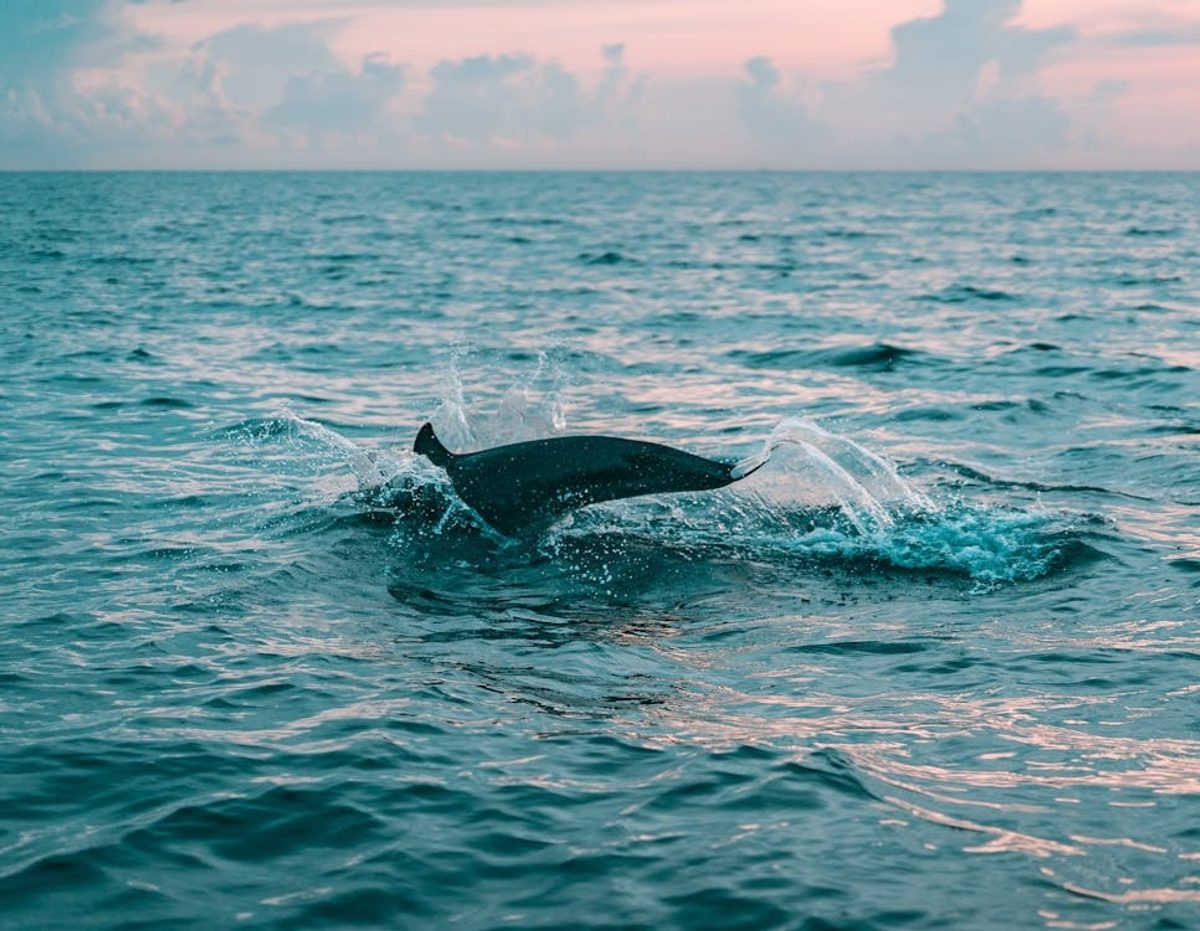
A dorsal fin breaks the glass. Then another. Dolphins surface, slip, and reappear, as if rehearsing a routine only they fully understand. On lucky days near low tide, they might push mullet onto exposed banks in a rare feeding technique called strand feeding—one of the Lowcountry’s signature wild spectacles. You stay back, engines low, content to watch. The creek decides the distance; the dolphins decide the show.
This is the essential promise of a private Charleston outing: time and space to truly look. A private Charleston eco tour becomes less about checking boxes and more about noticing—how the wind veers slightly cooler over deeper water; how the marsh greens brighten as the sun climbs; how the city’s past, present, and future meet right where salt meets freshwater. Your guide serves up natural history in clear, no-jargon language: how oysters build reefs that blunt waves and shelter juvenile fish; why this is an estuary of consequence where the Ashley and Cooper Rivers meet; and how conservation wins like Crab Bank Seabird Sanctuary protect entire colonies with a single sandbar.
Charleston is an old city with a modern coastline. The shrimping fleet that once lined Shem Creek helped feed a nation and shaped a culture of seafood and seafaring hustle. Today, you still feel that grit in the way the creek starts early and ends late, in the sound a trawler’s diesel makes when it catches, in the scent of fresh-caught shrimp at dock restaurants when you return. But this tour reminds you that the real old-timers are the shorebirds that have navigated these flyways for centuries and the dolphins that know every bend in the channel by heart. They own the schedule. You’re here to listen.
You idle past oyster rakes glinting at low tide and toward the open harbor. The current pushes, then eases; the boat responds, a partner in a quiet two-step. Cormorants dive like torpedoes. Ospreys hover with the patience of surgeons. On summer mornings, the surface freckles with baitfish; in winter, the air clarifies into a crisp panorama of steeples and bridges. This is where the region’s geology whispers: a drowned river valley edged in barrier islands, a landscape that seems gentle until a storm reminds you who’s in charge. The marsh is resilient—built to bend. Visitors learn to do the same.
The practical side of this experience is straightforward. It’s three hours, private, and unhurried—enough time to find dolphins, drift along bird rookeries, and feel the creek’s personality change with the tide. You meet at Shem Creek Marina Boat Ramp in Mount Pleasant. There’s a cooler with ice aboard for your water and snacks. Bring a hat, sunscreen, and a pair of water-friendly shoes; polarized sunglasses will turn surface glare into fish and fins. Families appreciate the calm inshore water; photographers appreciate the boat’s steady platform at idle. Book a Charleston dolphin cruise for late afternoon if you want the marsh at its warmest colors and the city haloed in gold.
Respect is the unspoken rule on this water. Give dolphins space. Keep voices low around nesting islands. Wave at other boaters. The creek notices these gestures. It rewards them, too—sometimes with that perfect moment when a dolphin surfaces close enough to see the arc of water bead off its skin, or when a pelican glides so low it seems to measure your wake with the tip of its wing. On a good day, this Shem Creek wildlife tour hands you both an education and a small reset: an easy way to remember that a city can be world-class without being loud, that wildness can live right behind a row of restaurants, and that all of it—the commerce, the scenery, the dolphins—depends on clean water and the slow, dependable metronome of the tide.
Back at the dock, the evening crowd turns Shem Creek into a friendly hum. The marsh lets the last light pour through its green blades, and the fleet leans against its lines. You step off the boat a little saltier, a little more tuned to the creek’s tempo, surprised how quickly three hours can erase the static. And you’ll find yourself glancing back at the mouth of the creek to see if a dorsal fin hasn’t just risen, one last time, to say: See you soon. Book your Charleston boat charter for dolphin watching when the tide and your calendar align, and let the water do the rest.