Skeppsholmen: Stockholm’s Little Island That Pulls You into the Water

Skeppsholmen: Stockholm’s Little Island That Pulls You into the Water

A compact island of museums, maritime history and waterborne escapes—where Stockholm opens up to the archipelago

Continue Reading

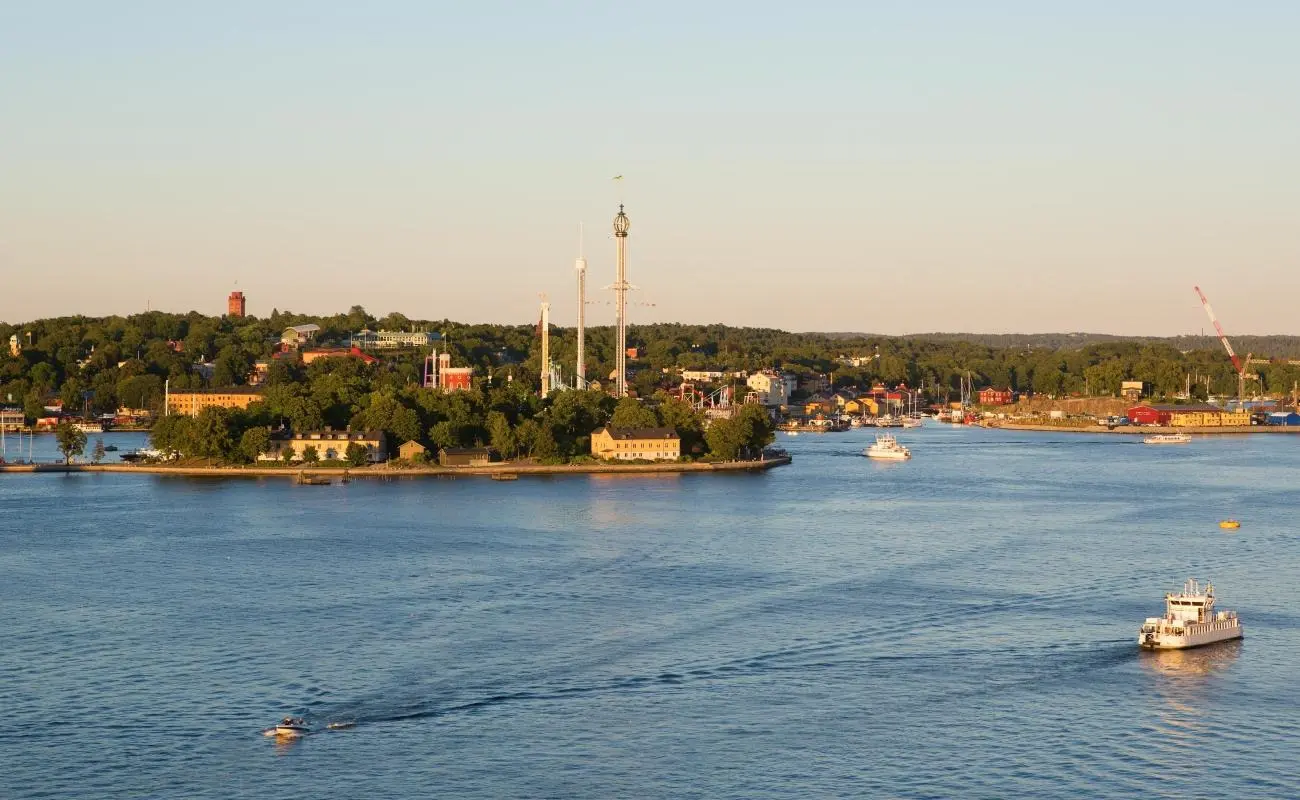
You step off Skeppsholmsbron and the city exhales. The clack of bike tires and the distant ring of tram bells fade; salt air and gull cries take their place. On Skeppsholmen, the shoreline is never far away—stone quay, weathered bollards and low-lying pines create a compact theater where Stockholm stages its relationship with the sea. People linger on benches and museum steps, cameras lift at the sightlines toward Gamla Stan, and the water itself seems to dare you to follow.

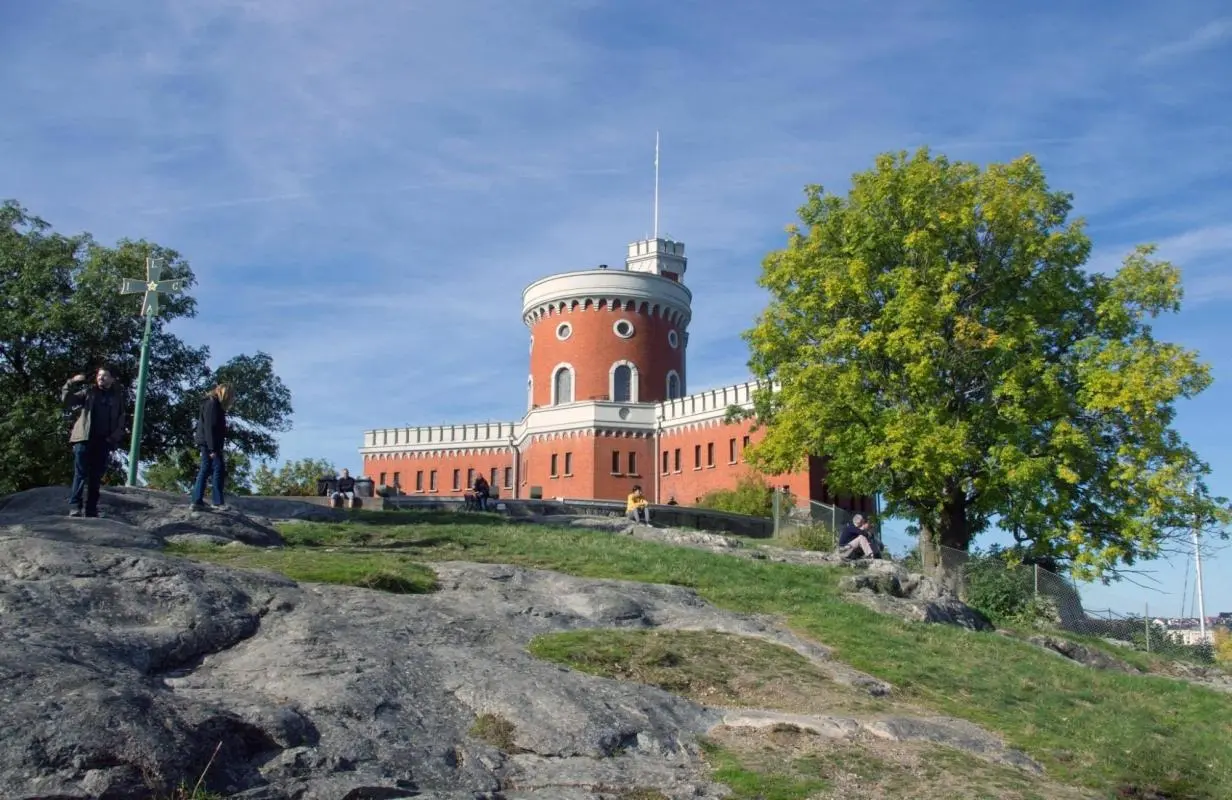
At a glance Skeppsholmen feels leisurely—a short loop of promenades and lawns—but its layers are deeper than the island's size suggests. The name literally means "ship islet," and for centuries the island belonged to the navy. Walk its paths and you’ll pass former arsenals and dockworks, repurposed into museums and galleries that now house modern art and design: Moderna Museet and ArkDes anchor the cultural scene here. The juxtaposition of naval history and contemporary culture is part of the island’s charm: granite quays tell the practical story of Stockholm’s maritime past while minimalist glass galleries speak to Sweden’s design-forward present.

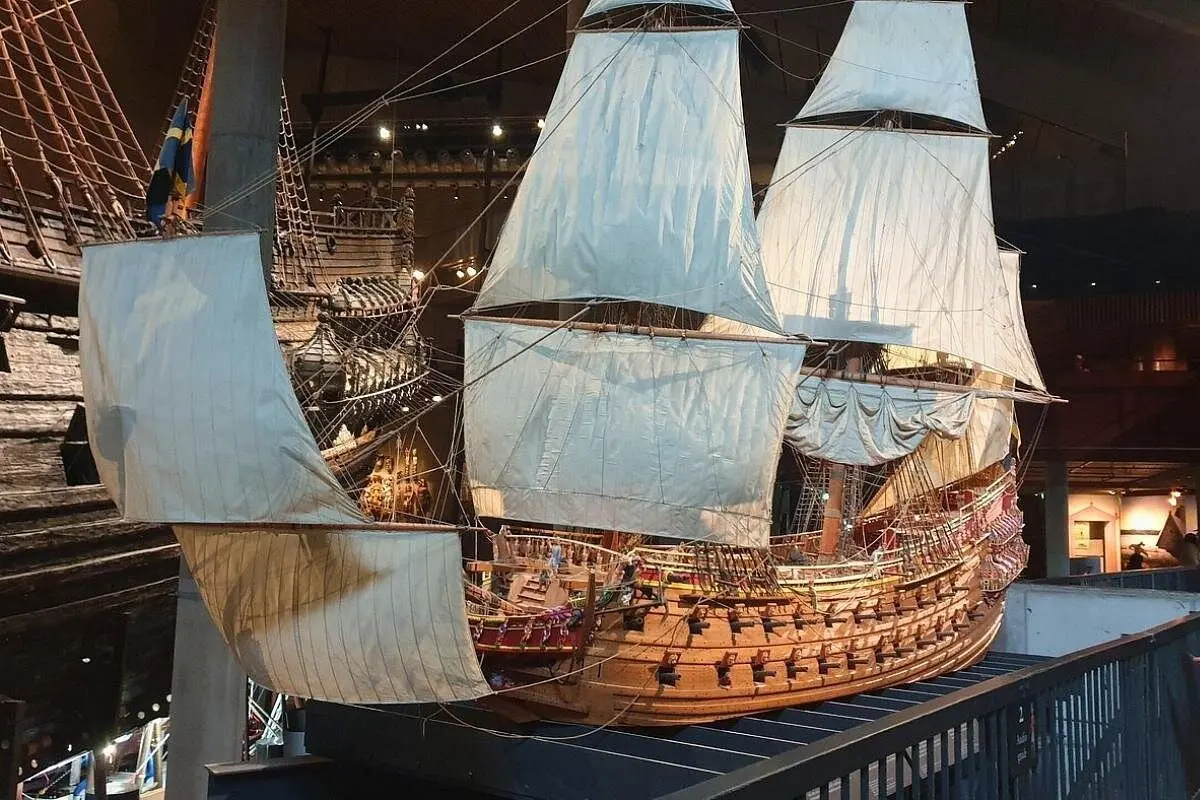
Geologically, Skeppsholmen is a sculpted outcrop in the Mälaren–Baltic inlet, formed by glacial action and the slow rise of the Stockholm archipelago. That rise is the reason the city’s islands are so neatly stacked—peninsulas, islets and waterways that invite exploration by foot and by boat. Which brings us to practicalities: many of the best ways to experience Skeppsholmen involve water. Electric open-boat tours offer a low-key tour of the city’s waterfront; classic wooden boat trips thread canals and channels with old-world grace; and multi-day yacht cruises let you slip out into the archipelago for overnight island-hopping—think the 48-hour Sandhamn excursion if you want to trade city horizons for sandy beaches and seaside town pubs.

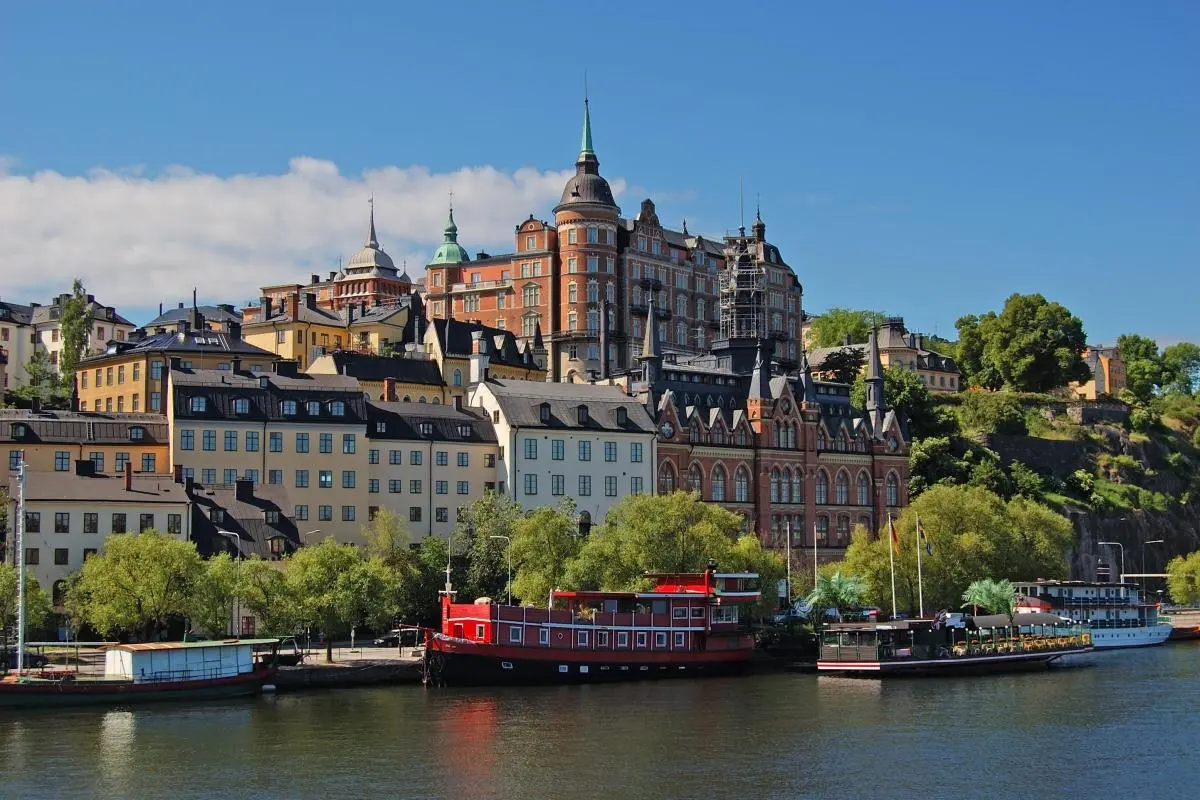
If you came for photographs, plan your lighting and routes. Golden hour along the eastern quay—looking across toward Gamla Stan and the Royal Palace—turns the water into a sheet of glass; reflections of ochre and salmon façades make for crisp, layered compositions. The "Scandinavian Capital: 3-Hour Private Stockholm Photography Tour" is a focused option if you want a guide who knows these angles and can teach you to use aperture and shutter speed to trap that light.

Culture is close at hand. Spend an hour in Moderna Museet among Calder and Picasso, then drift across the lawn to ArkDes for architecture exhibits that explain why Swedish design favors quiet materials and purposeful lines. For a different pace, join a walking tour that threads neighborhoods and backstreets—"Unique walking tour Stockholm" and the "Scandinavian Art, Architecture and Design Tour" both stitch a narrative through the city using Skeppsholmen as one of the connective nodes.

Why choose Skeppsholmen as your base for a few hours? Because it’s compact and varied: an island that lets you switch confidently from museum stops to boat decks, from design conversations to the tangible mechanics of ships and piers. Those yacht experiences—whether a three-hour Benetti cruise at sunset or an electric boat’s panoramic glide—are practical complements. They give distance to your perspective: seeing the city from water highlights the geometry of Stockholm and makes clear why this is an archipelago city first, capital second.

Practical guidance: the island itself can be walked in 30–60 minutes on flat, firm paths; bring sturdy shoes for cobbles and wet quays. If you plan to hop on a wooden boat tour or an electric sightseeing run, check departure points and arrive 15 minutes early—seating can be limited and the wind on the water bites quicker than you expect, even on a warm day. For photography, a polarizing filter will clean up reflections and deepen skies; a small travel tripod helps for low-light museum interiors and dusk shots from a stable quay.

Timing matters. Summer brings long days and a constant draw of locals to the island’s lawns; spring and fall offer clearer light and thinner crowds for museum visits; winter transforms everything into a quiet, crystalline scene—dress in windproof layers. For longer adventures, the Sandhamn cruise demonstrates how the city threads into the archipelago: islands, seaside taverns and sandy beaches are reachable without sacrificing the comforts of well-equipped yachts.

Skeppsholmen asks nothing grandiose of you. Walk slowly, let the water dictate your pace, and try at least one shoreline seat with a takeout fika—cinnamon bun in hand, you’ll understand why Swedes prize these small rituals. Whether you’re on a private photo walk, slipping out to sea on a classic wooden boat, or simply watching the sunset from the museum steps, the island rewards attentiveness with perspectives you miss when rushing by.

Skeppsholmen is an intersection—naval past and contemporary design, city and archipelago, stillness and movement. It’s the kind of place that nudges you toward the water, then hands you a camera and a map and says, "Go see."
Duration2–4 hours
Plan your visit

Trail Wisdom

Time your visit for golden hour

Sunrise or sunset light across the eastern quay yields the best reflections of Gamla Stan—ideal for photographers and quieter walks.

Layer for wind on the water

Even warm days can be cool on a boat; pack a windproof layer to avoid the sting of a late-afternoon breeze.

Reserve boat seats in advance

Classic wooden-boat and yacht experiences have limited capacity—book early to secure window or deck seating.

Combine a museum stop with a cruise

Pair Moderna Museet or ArkDes visits with an electric or wooden-boat tour to see the architecture and harbor from both land and water.

Local Knowledge

Hidden Gems

  • The quiet eastern quay at sunrise—minimal crowds and clean reflections
  • Small sculpture installations and plaques tucked along the museum lawns

Wildlife

herring gull, harbor seal (occasionally in the archipelago)

Conservation Note

Operators increasingly use electric boats for sightseeing; visitors are encouraged to use public transport and certified tour operators to reduce ecological impact.

Skeppsholmen was historically a naval base—its name means "ship islet"—and many old naval buildings have been converted into cultural institutions.

Seasonal Guide

spring

Best for:fewer crowds, clear light for photography, museum visits
Challenges:variable temperatures, occasional rain

Spring offers crisp light and thinning crowds—great for photos and gallery time—though bring layers for chilly mornings and showers.

summer

Best for:long daylight, boat cruises, outdoor dining
Challenges:highest crowds, bookings fill fast

High season with long days and vibrant waterfront life; reserve tours and museum tickets early to avoid sold-out slots.

fall

Best for:dramatic colors, calmer waters, clear air
Challenges:shortening daylight, cooler evenings

Autumn brings crisp air and saturated colors on the island’s trees—pleasant for walking and unobstructed city views.

winter

Best for:quiet museums, crisp low-angled light, photography of frozen quays
Challenges:cold winds off the water, short days

Winter is peaceful and contemplative; expect wind and cold, but rewarding low-light conditions and near-empty galleries.

Photographer's Notes

Shoot during golden hour from the eastern quay for reflections of Gamla Stan; use a polarizer to manage glare and deepen skies, and carry a small tripod for low-light museum interiors and dusk shots from the quay.

What to Bring

Windproof jacket

Essential

Blocks chill from the water and makes boat time comfortable.

○

Polarizing filter

Cuts glare and boosts color contrast for waterfront and architecture photos.

Comfortable waterproof shoes

Essential

Firm soles and some water resistance help on wet quays and cobbles.

Light daypack

Essential

Carries water, a map, camera gear and a sweater without getting in the way on boat decks.

Common Questions

How long does it take to walk around Skeppsholmen?

A full loop of the island’s promenades takes roughly 30–60 minutes at a relaxed pace; allow extra time for museums or photo stops.

Which museums are on Skeppsholmen?

Moderna Museet (modern art) and ArkDes (architecture and design) are the island’s primary museums, both within easy walking distance of the quay.

Where do boat tours depart for the archipelago?

Several operators run departures nearby—classic wooden-boat tours and electric open-boat services typically leave from piers adjacent to Skeppsholmen or nearby Nybrokajen and Gamla Stan.

Is Skeppsholmen suitable for families?

Yes—flat paths, short distances and lawn spaces make it family-friendly; boats and museum programs often cater to children.

Do I need to book yacht or archipelago cruises in advance?

For private yachts or multi-day cruises (like the 48-hour Sandhamn) booking in advance is recommended; shorter sightseeing trips may allow same-day tickets but can fill in summer.

Are there food options on the island?

There are small cafés and seasonal kiosks; for more variety, Östermalm and Gamla Stan are a short walk or boat ride away.

What to Pack

Light windproof jacket for breezes, comfortable waterproof shoes for quays and cobbles, camera with polarizer for waterfront shots, small daypack for layers and water

Did You Know

Skeppsholmen hosts Moderna Museet and ArkDes and was historically used by the Swedish Navy; its name literally means 'ship islet'.

Quick Travel Tips

Buy museum tickets online in high season; arrive 15 minutes early for boat departures; use public transit to Nybroplan for closest access; bring cashless payment as most kiosks are card-only

Local Flavor

Pair a museum stop with a classic Swedish fika (cinnamon bun and coffee) on the quay; summer evenings bring popup food stalls and locals lingering over seafood and aquavit.

Logistics Snapshot

Central island, short walks (30–60 min loop), flat terrain, museums (Moderna Museet, ArkDes), boat tours depart nearby—book summer tours early; public transit to Nybroplan or Gamla Stan.

Sustainability Note

Choose operators running electric boats when possible, stick to marked paths to protect shoreline vegetation, and pack out any trash—small islands have limited waste infrastructure.

Topics